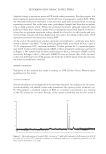
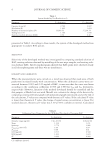
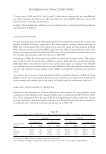
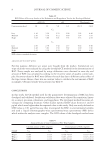
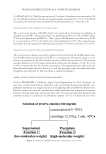
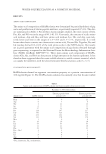
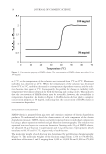
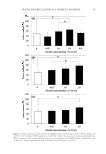
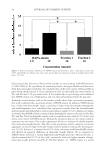
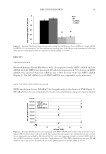
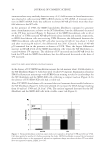
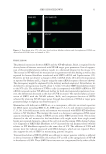
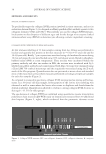
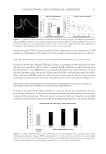
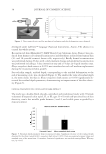
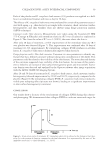
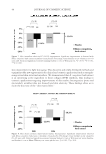
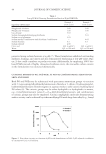
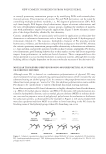
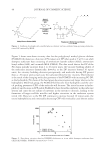
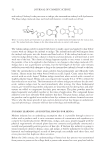
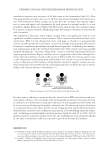
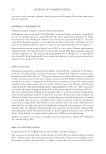
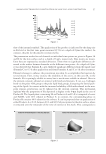
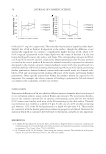
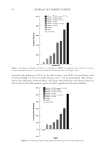
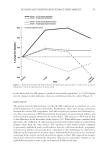
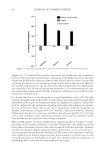
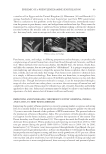
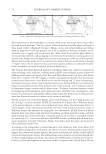
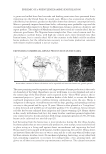
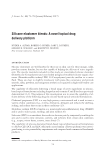
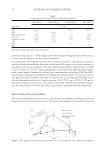
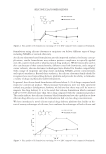
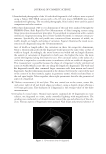
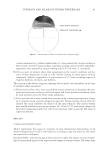
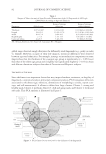
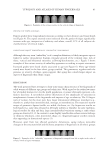
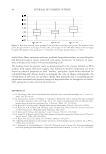
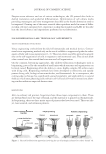
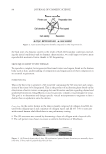
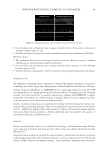
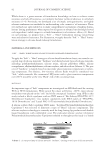
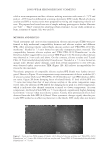
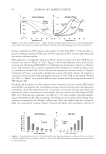
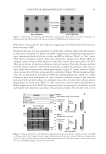
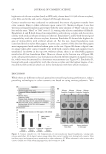
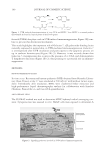
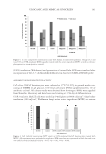
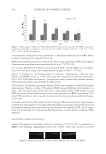
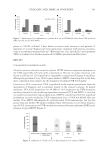
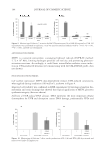
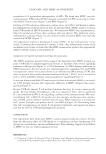
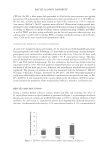
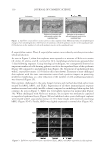
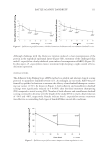
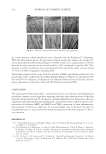
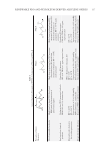
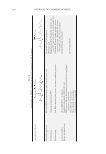
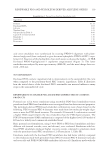
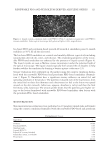
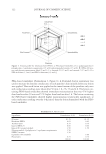
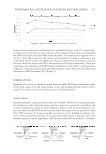
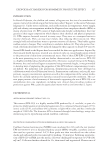
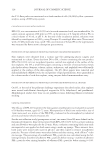
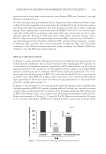
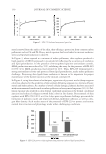
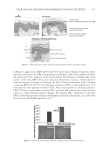
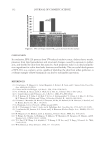
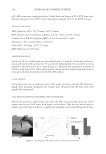
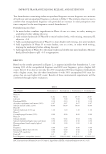
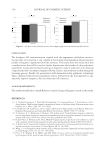
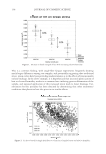
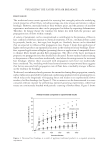
EXOPOLYSACCHARIDES FOR BIOMIMETIC PROTECTIVE EFFECT 131 In Figure 5, application of EPS-229 (0.02% w/v) on the skin of human volunteers, before exposure to fi ne particles (PM2.5) mimicking air pollution, reduced the number of adher- ent particles by 45% compared to placebo treatment. By forming an invisible fi lm at the surface of the skin, EPS-229 creates a physical shield able to protect from pollution- induced damage. In Figure 6, cleansing the skin of human volunteers with a solution containing EPS-229 (0.01% w/v) following exposure to PM2.5 could washed away 27% more particles than placebo treatment. Thus, when incorporated in a cleansing solution, EPS-229 forms a mesh able to entrap PM2.5 particles and remove them from the skin surface to reduce pollution-induced damage. By limiting PM2.5 adsorption to the skin, EPS-229 may help prevent melasma development and barrier disruption, since both have been associated with PM exposure (12,13). Figure 5. EPS-229 prevents the adhesion of PM2.5 particles to the skin surface. Figure 4. EPS-229 protects skin explants from pollutant-induced structural changes.

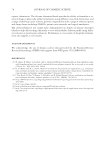
JOURNAL OF COSMETIC SCIENCE 132 CONCLUSION In conclusion, EPS-229 protects from UV-induced oxidative stress, chelates heavy metals, preserves from lipid peroxidation and structural changes caused by exposure to pollut- ants, and shields the skin from fi ne particles. Such properties make it an ideal antipollu- tion ingredient for a skin that looks luminous and healthy. The successful development of EPS-229, as a cosmetic active capable of shielding the skin from urban pollution, is a vibrant example of how biomimicry can lead to sustainable innovation. REFERENCES (1) J. Guézennec, X. Moppert, G. Gérard Raguénès, L. Richert, B. Costa, and C. Simon-Colin, Process Bio- chem., 46(1),16–22 (2011). (2) F. Rossi and R. De Philippis, Life (Basel)., 5(2), 1218–1238 (2015). (3) U. U. Nwodo, E. Green, and A. I. Okoh, Int. J. Mol. Sci., 13(11), 14002–14015 (2012). (4) C. Cassier-Chauvat and F. Chauvat, Int. J. Mol. Sci., 16(1), 871–886 (2014). (5) R. P. Rastogi, R. P. Sinha, S. H. Moh, T. K. Lee, S. Kottuparambil, Y. J. Kim, J. S. Rhee, E. M. Choi, M. T. Brown, D. P. Häder, and T. Han, J. Photochem. Photobiol. B., 141,154–169 (2014). (6) P. Kumar, L. Morawska, W. Birmili, P. Paasonen, M. Hu, M. Kulmala, R. M. Harrison, L. Norford, and R. Britter, Environ. Int., 66, 1–10 (2014). (7) L. Baumann, J. Invest. Dermatol., 125(4), xii–xiii (2005). (8) M. C. Dominguez, E. Sole, C. Goñi, and A. Ballabriga, Biol. Trace Elem. Res., 47(1–3), 57–67 (1995). (9) J. van Smeden, M. Janssens, G. S. Gooris, and J. A. Bouwstra, Biochem. Biophys. Acta., 1841(3), 295–313 (2014). (10) M. Mergener, C. R. Rhoden, and S. L. Amantéa, J. Pediatr. (Rio J)., 90(6), 632–636 (2014). (11) T. Hiraga, K. Ohyama, A. Hashigaya, T. Ishikawa, W. Muramoto, H. Kitagawa, N. Mizuno, and H. Teraoka, Vet J., 178(1), 109–114 (2008). (12) T. L. Pan, P. W. Wang, I. A. Aljuffali, C. T. Huang, C. W. Lee, and J. Y. Fang, J. Dermatol. Sci. 78(1), 51–60 (2015). (13) W. E. Roberts, J. Drugs Dermatol., 14(4), 337–341 (2015). Figure 6. EPS-229 helps remove PM2.5 particles from the skin surface.
Purchased for the exclusive use of nofirst nolast (unknown)
From: SCC Media Library & Resource Center (library.scconline.org)