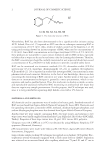
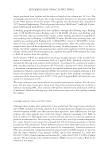
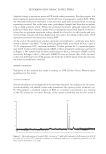
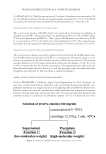
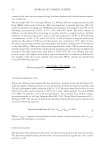
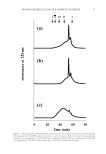
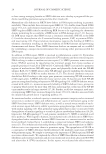
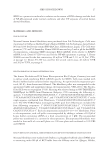
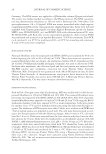
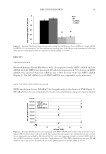
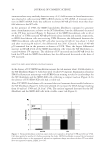
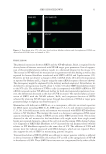
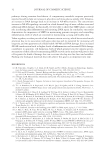
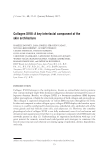
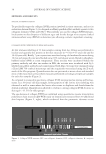
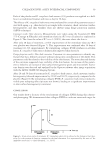
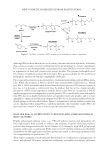
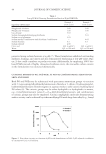
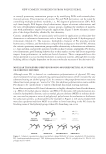
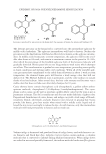
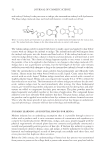
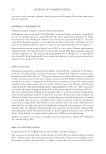
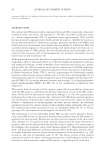
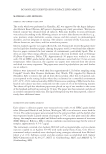
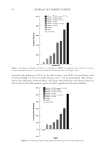
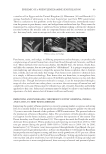
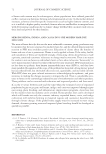
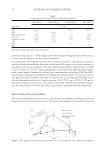
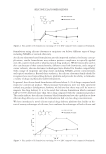
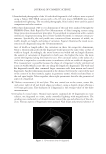
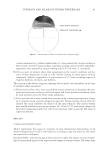
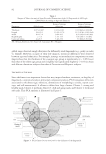
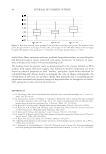
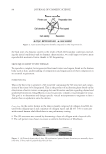
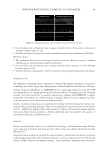
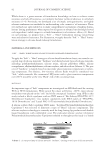
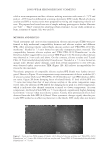
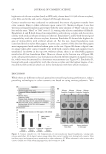
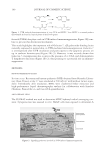
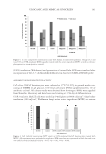
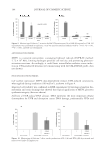
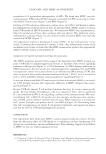
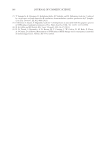
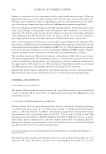
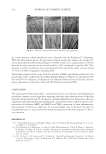
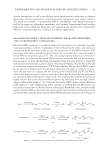
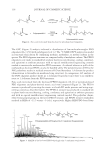
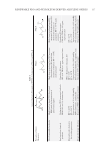
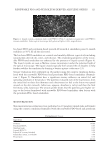
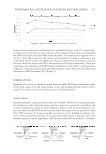
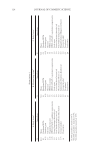
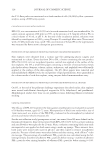
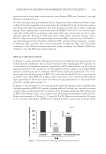
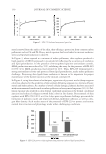
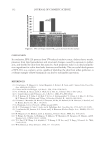
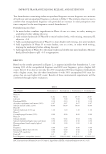
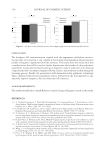
EPIDEMIC OF PARA-PHENYLENEDIAMINE SENSITIZATION 51 The lawsone precursor in the henna leaf is converted into the intermediate aglycone by mildly acidic hydrolysis. The aglycone intermediates will bind to keratin. Neither the precursor nor the fi nal lawsone will bind as effectively to keratin as the aglycone interme- diate. In mildly acidic henna paste at room temperature, the aglycone will become avail- able after about an 8-h soak, and remain at maximum content in the paste for 12–24 h, after which the percentage of the bindable aglycone form of the lawsone molecule will gradually diminish. Henna paste left out too long produces weak stains which shampoo out of hair. This transformation is gradual at room temperature, proceeding more quickly in warm conditions and slowing under cold conditions. When all of the unstable agly- cone precursors have transformed to the stable form of lawsone in about 1 week at room temperature, the demised henna paste will keratin a weak orange color that will not darken (14). The Michael Addition stain is permanent, and the color oxidizes to natural shades of red and auburn. After several days, the hair color matures and becomes very a stable color that does not fade even after daily shampoo for 10 years. Cassia obovata leaves contain chrysophanic acid (chysophanol), a golden yellow anthra- quinone molecule, chrysophanol (1,8-dihydroxy-3-methylanthraquinone). The cryso- phanic acid in cassia can dye pale or gray hair a golden wheat color, but the stain is not as permanent as henna. The dye is translucent and does not make dark hair a lighter color. Proportional formulations of cassia, henna, and indigo can yield a wide range of blonde, strawberry blonde, ash blonde, and pale brunette tones for pale or graying hair. Cassia powder, like henna, gives best results when mixed with a mildly acidic liquid and al- lowed the mix to rest overnight to release the dye. As with lawsone, only the intermediate molecule will bind permanently to keratin and not wash out. Vashma indigo is fermented and powdered form of indigo leaves, used with henna to cre- ate brunette and black hair dyes. Indigofera tinctoria leaves contain indican, a colorless molecule that is converted to indoxyl during alkaline fermentation. When indigo leaves are soaked in water and partially fermented, the indican molecule breaks into β-D-glucose Lawsone is produced by precursors in the henna leaf: the sequence of henna dye release and binding (13). Chrysophanic acid (1,8-dihydroxy-3-methylanthraquinone)

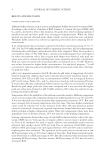
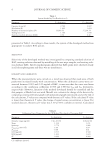
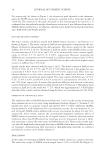
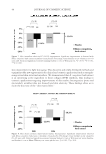
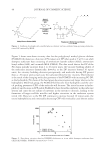
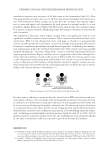
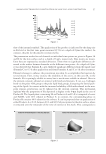
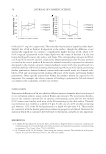
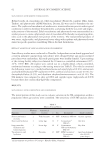
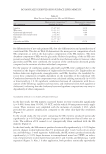
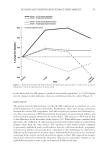
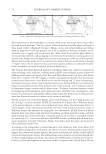
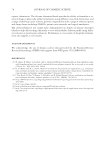
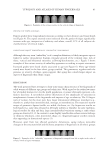
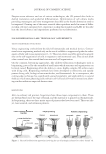
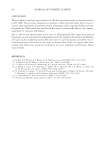
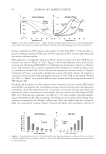
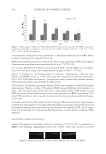
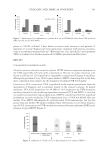
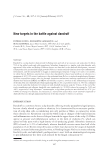
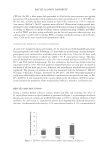
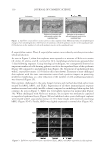
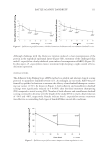
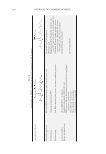
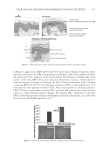
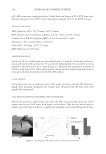
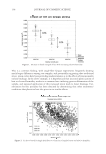
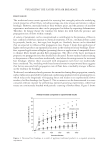
JOURNAL OF COSMETIC SCIENCE 52 and indoxyl. Indoxyl is the precursor to indigo the intermediate indoxyl will dye keratin. The blue indigo molecule does not bind with keratin it will wash out of hair. The vashma indigo powder is mixed with water to make a paste and applied to hair before contact with air changes the indoxyl to indigo. The indoxyl molecules will migrate from the indoxyl-rich paste into the keratin and bind with it. If the indoxyl molecule is con- verted to indigo before it has a chance to bind to and stain keratin, it will not bind, it will wash out of the hair. This chemical change happens rapidly so once water is stirred into the powder, it has to be applied to hair before it can change to the indigo molecule (15). Indigo dye is not as permanent as henna, but the full length of the hair color remains stable for years with daily shampoo as long as the intermediate indoxyl is bound to the hair. Only the intermediates in these plant powders bind permanently and effi ciently with keratin. Henna stains hair when wetted with an acidic liquid. Cassia stains hair when wetted with an acidic liquid. Vashma indigo stains hair when wetted with a neutral or slightly alkaline liquid. Henna and cassia require time (usually 8 h at 70°F) to release the dye molecules to stain hair. The fermentation of vashma indigo pre-releases the dye mol- ecule vashma indigo must be used immediately after mixing. For these fundamental reasons, pre-mixed henna powders and pastes are unsatisfactory for dyeing hair, and adul- terants are added to compensate for their poor outcomes. The plant powders must be mixed separately and added together at the time of application. The compound henna additives cross-react adversely with oxidative hair dyes. The pure henna, indigo, and cas- sia powders can be applied over oxidative hair dye without an adverse chemical reaction. This is why the future growth of non-coal-tar-derivative hair dye hinges on understand- ing and optimizing a centuries-old hair dye technology and methodology. DYNAMIC LEARNING: AN ESSENTIAL PROCESS FOR HENNA Modern industry has an underlying assumption that it is possible through science to tinker with a product until it suits consumer notions of convenience and expediency to compete for market placement. With henna, indigo, and cassia, people engaged with the physical requirements of natural plant dyes over centuries and gradually constructed a socially and personally positive practice of hair dye. If the hair dye industry is going to transit sensitized clients to henna, cassia, and indigo, it will be informative to look at the historical and anthropological records of how people successfully used these dyes, and create processes that duplicate these activities. Before the 20th century, the understanding of henna hair dye process was transmitted from person to person at the village bath a person who wanted to cover gray hair had the When I. tinctoria leaves are fermented in an alkaline vat, the indoxyl molecule breaks from the indican mol- ecule. The indoxyl molecule changes to the blue indigo molecule in contact with oxygen.
Purchased for the exclusive use of nofirst nolast (unknown)
From: SCC Media Library & Resource Center (library.scconline.org)