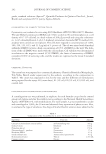
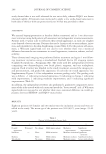
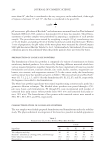
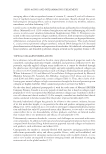
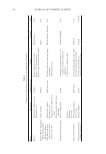
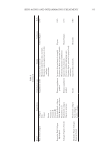
JOURNAL OF COSMETIC SCIENCE 242 grade, standard solutions (Specsol®, Quimlab Produtos de Química Fina Ltd., Jacareí, Brazil) and acetylene (99.5% purity, Sigma-Aldrich). COLORIMETRIC CELL VIABILITY TEST FOR THE OIL Cytotoxicity was evaluated in vitro u sing L929 fi broblasts (ATCC® CRL-6364™, Manassas, VA) and HaCat keratinocytes (BCRJ code: 0341) seeded on 96-well microplates at a cell density of 0.7·105 cells/mL in a fi nal volume of 200 μL per well and using the colorimet- ric 3-(4,5-dimethylthiazol-2-yl)-2,5-diphenyl tetrazolium bromide (MTT) method (13), analyses were carried out in triplicate. The cells were exposed to concentrations of 1,000, 500, 250, 125, 62.5, and 31.2 μg/mL of L. pisonis oil. The oil was mixed with dimethyl sulfoxide (DMSO) to have a fi nal concentration of 0.5% of DMSO in the well. The dilu- tions of the oil/DMSO were made with the cell medium. Cell viability was determinated in relation to the negative control (0.5% DMSO), the limit of nontoxicity of DMSO, considered 100% of surviving cells, and the results are expressed as the mean ± standard deviation. CREAM OF L. PISONIS OIL The cream base was p repared in a commercial pharmacy (Farmácia Biomédica Manipulação, Vila Velha, Brazil) under supervision by the authors, according to the composition in Table I. The cream was separated in lots for the tests and fi ve different oil formulations were prepared for the assays: F0 (cream base), F1 (1% oil), F2 (5% oil), F3 (10% oil), and control (oil). EVALUATION OF THE FORMULATION CHARACTERISTICS A centrifugation test was performed, in triplica te for each formula except for the control group (oil), before and after the stability test according to the National Health Surveillance Agency (ANVISA) (14), with modifi cations. For each sample, 5 g was transferred to a tube and centrifuged at 3,000 g for 30 min and observed if any separation of phases occurs. Also, to evaluate the type of emulsion, fi ve drops of Scarlet Biedrit solution were added to the Table I Composition of the Cream Base for L. pisonis Oil Cream (3,000 g) Ingredient Function Amount Cetearyl alcohol/sodium cetearyl sulfate Self-emulsifying wax 360 g Isodecyl oleate Emollient 150 g Propylene glycol Solvent 150 g Phenoxyethanol + parabens Preservative 15 g Disodium EDTA Preservative 4.5 g Imidazolidinyl urea Antimicrobial preservative 4.5 g Demineralized water Vehicle 2,316 mL Cupuaçu essence Essence —

USE OF LECYTHIS PISONIS OIL IN COSMETIC CREAMS 243 formulations, followed by homogenization. Thereafter, 100 μL was transferred to a micro- scopic slide and analyzed on a Leica Galen III microscope (Leica, Wetzlar, Germany). The pH was evaluated according to ANVISA (14) and measured using a Gehaka digital pH meter (Gehaka, São Paulo, Brazil). The pH of L. pisonis oil was measured using pH test strips from MColorpHast® (Merck, Darmstadt, Germany). The viscosity was evaluated at room temperature (21 °C) with a Brookfi eld viscosimeter using spindle number 4. The applied rotation speeds were 5–11 rpm for the samples tested before the stability evaluation and 8–16 rpm for those tested after the stability evaluation. The results are expressed in centipoise (cP) (14). The spreadability assay was performed according to K norst (15), with modifi cations, for all formulations before and after the stability test. One gram of each sample was placed on the central spot of the acrylic plate, and another plate was placed aligned over the sample. On top, a calibrated weight of 200 g was placed for 2 min. The diameter of the sample spot was recorded in opposing directions, and the median diameter was calculated. A commercial moisture cream from Granado was used as a reference. For the organoleptic characteristics, all the formula tions were visually analyzed for changes in color, odor, and homogeneity throughout the study and after each test (16). The stability test was performed on all samples in tr iplicate, according to ANVISA (17). The samples in sterilized glass jars were subjected to different temperature conditions: frozen (-5°C ± 2°C) for 24 h, room temperature (15°–30°C) for 24 h, and heated in an oven (40°C) for 24 h. Three cycles of the stability test were performed. The stability of the samples was evaluated based on the organoleptic properties (16) and physical–chemical characteristics. MICROBIAL LIMIT TEST The microbiological safety was assessed on the basis of the 481 /99 Brazilian regulation for cosmetic products (18). Samples were randomly selected prior and after the stability test and artifi cially contaminated with different microorganisms for the challenge test. This test aims to determine the resistance of a product to microbial contamination, thereby refl ecting the effectiveness of its preservative system. The formulations were arti- fi cially contaminated via inoculation with a suspension of selected microorganisms at 0.5 on the McFarland scale, followed by a survival determination by the plate counting method at 0, 24 h, 48 h, 7 d, 14 d, 21 d, and 28 d. Escherichia coli ATCC 8739, Staphylococcus aureus ATCC 25923, Pseudomonas aeruginosa CCCD P003, Candida albicans ATCC 10231, and Aspergillus niger ATCC 40067 were cultured in Müller–Hinton medium (Kasvi, São José dos Pinhais, Brazil) and then inoculated to 10% of cream for different formulations. STATISTICAL ANALYSIS The quantitative variables were expressed as means ± standard dev iations, and the data were submitted to Student’s t-test with a signifi cance level of p 0.05. For the quantifi ca- tion of fatty acids in the oils from different regions, data were analyzed by one-way anal- ysis of variance and Bonferroni post hoc tests. For the quantifi cation of fatty acids in the cream before and after the stability test, a t-test was performed. The qualitative variables were expressed in a descriptive manner.
Purchased for the exclusive use of nofirst nolast (unknown)
From: SCC Media Library & Resource Center (library.scconline.org)