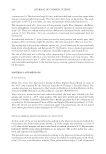
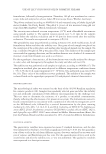
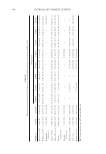
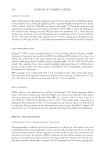
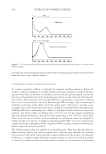
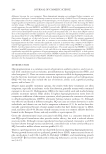
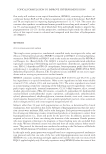
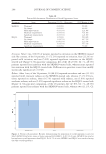
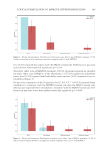
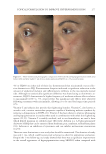
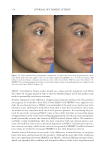
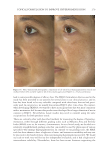
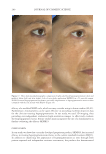
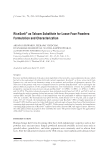
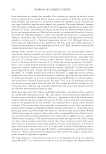
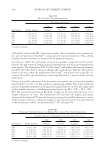
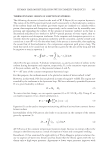
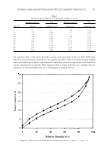
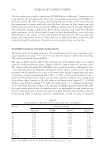
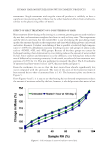
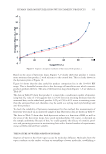
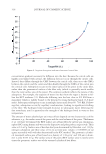
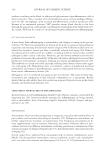
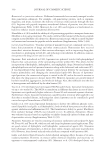
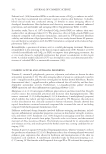
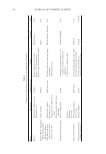
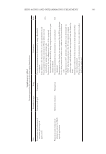
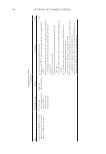
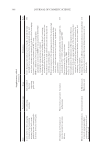
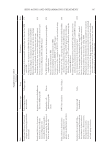
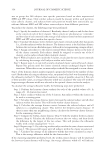
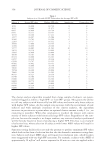
JOURNAL OF COSMETIC SCIENCE 270 INDE PENDENT REVIEWER ASSESSMENT Seve nteen patients (15 females and two males) were included in the independent reviewer assessment. The mean age of the patients was 39.7 ± 9.1 (range: 27–61) years. One pa- tient dropped out of the study because of intolerability to HQ4%. Five independent evaluators reviewed 17 patients, for a total of 85 ratings that were taken into analysis. After 1 mo of treatment, evaluators reported an improvement (whether mild, moderate, or signifi cant) in the overall appearance in 70 of 85 cases (82.4%) on the SKNB19-treated side and in 55 of 85 cases (64.7%) on the HQ4%-treated side (Figure 6, Table IV). Rela- tive to HQ4%, this is a 27% improvement. Figure 5. Patient self-assessment: Distribution of tolerability scores. After 1 mo of HQ4% treatment, 27.8% of skin sections had mild or signifi cant tolerability issues compared with 0% with SKNB19. Figure 6. Independent reviewer assessment: Distribution of scores.

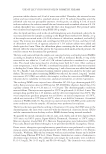
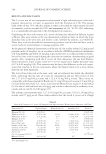
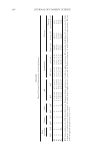
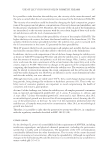
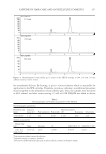
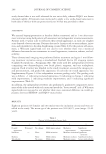
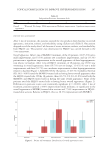
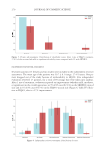
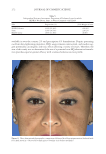
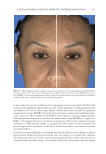
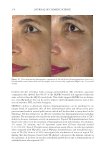
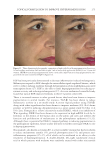
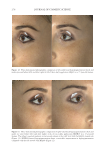
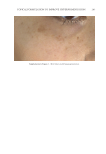
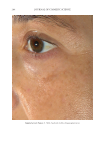
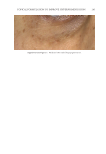
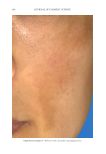
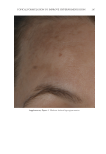
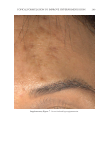
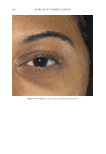
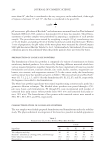
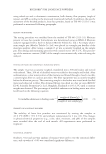
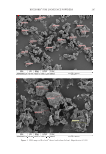
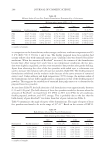
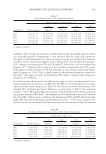
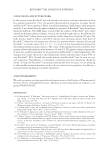
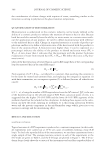
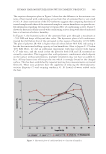
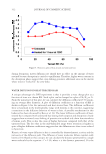
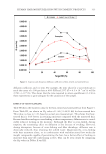
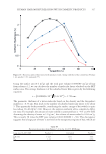
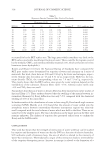
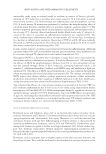
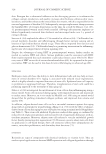
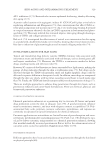
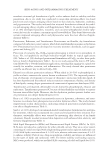
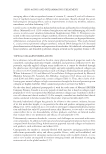
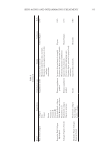
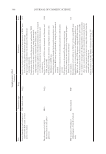
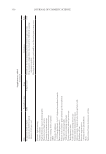
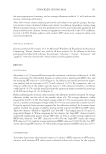
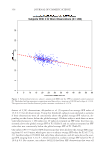
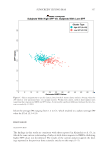
TOPICAL FORMULATION TO IMPROVE HYPERPIGMENTATION 271 On pai r-wise comparison, of the 85 SKNB19-treated cases, 31 (36.5%, CI: 26.3–46.7%) were rated as being equal in overall appearance by the independent evaluators compared with the HQ4%-treated cases, and 44 (51.8%, CI: 41.2–62.4%) were rated as having better overall appearance by the independent evaluators than the HQ4%-treated cases. Of 85 the HQ4%-treated cases, 10 (11.8%, CI: 5.0–18.6%) were rated as having a better overall appearance (Figure 7, Table V) than the SKNB19-treated cases. In summary, on pair-wise comparison, the independent reviewer assessment showed that evaluators gave higher scores to SKNB19-treated sides than HQ4%-treated sides (p 0.001). Most notably, 88.2% of the SKNB19-treated sides appeared to be equal to or better than the HQ4%-treated sides. Figures 8-17 present the before and after results of fi ve patients that were included in the study. DISCUS SION Hyperp igmentation is a dermatologic condition that causes an unappealing appearance in a variety of individuals. The current mainstay of treatment is topical HQ, which is Table IV Independent Reviewer Assessment: Distribution of Evaluator Scores for Overall Appearance Treatment Score Score counts (%), N = 85 95% Margin of error SKNB19 Worsened 2 (2.4%) ±3.2% No change 13 (15.3%) ±7.7% Mild improvement 31 (36.5%) ±10.2% Moderate improvement 26 (30.6%) ±9.8% Signifi cant improvement 13 (15.3%) ±7.7% HQ4% Worsened 4 (4.7%) ±4.5% No change 26 (30.6%) ±9.8% Mild improvement 32 (37.6%) ±10.3% Moderate improvement 22 (25.9%) ±9.3% Signifi cant improvement 1 (1.2%) ±2.3% Figure 7. Independent evaluator assessment: Bar plot showing proportion of evaluator scores for which SKNB19 was better, same, or worse compared with HQ4%.
Purchased for the exclusive use of nofirst nolast (unknown)
From: SCC Media Library & Resource Center (library.scconline.org)