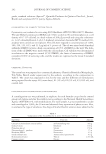
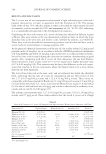
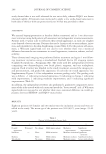
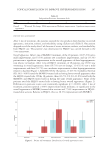
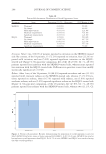
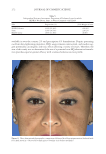
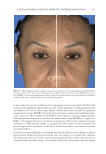
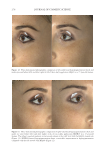
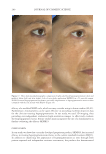
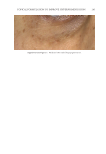
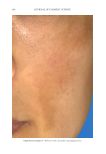
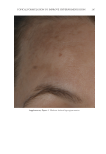
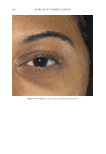
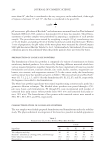
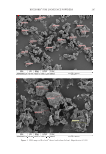
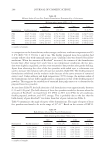
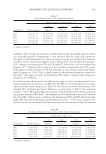
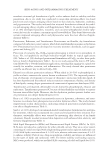
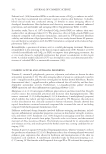
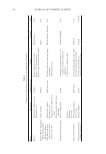
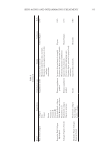
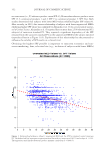
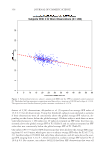
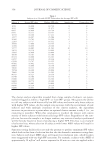
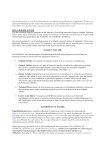
JOURNAL OF COSMETIC SCIENCE 272 available in over-the-counter 2% and prescription 4% formulations. Despite possessing excellent skin-lightening properties, HQ’s usage remains controversial, and studies sug- gest potentially carcinogenic and toxic effects affecting a variety of tissues. Therefore, the aim of this study was to determine if the use of a potential non-HQ alternative formula- tion provides equal or greater effi cacy with a reduced adverse reaction profi le. Figure 8. Three-dimensional photographic comparison of bilateral facial hyperpigmentation (forehead/mid- face/cheek areas) in a 38-year-old woman prior at baseline visit (before treatment). Table V Independent Reviewer Assessment: Proportion of Evaluator Scores for which SKNB19 Was Better, Same, or Worse Compared with HQ4% Side Proportion (%) 95% Margin of error SKNB19 better 44/85 (51.8%) ±10.6% Same 31/85 (36.5%) ±10.2% HQ4% better 10/85 (11.8%) ±6.8%

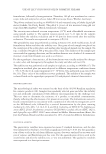
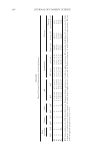
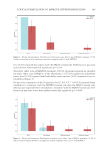
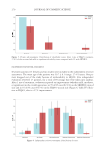
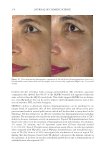
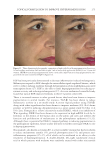
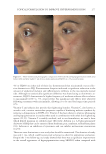
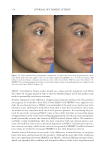
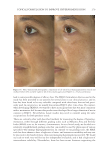
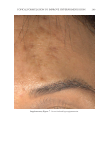
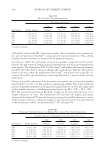
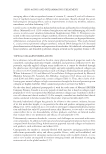
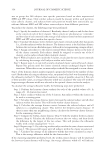
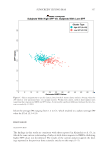
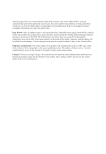
TOPICAL FORMULATION TO IMPROVE HYPERPIGMENTATION 273 In our study, those patients suffering from hyperpigmentation treated with SKNB19 had a statistically signifi cant improvement in the overall appearance of hyperpigmentation and shown to be 28.5% better than HQ4%-treated skin based on mild to signifi cant improvement ratings. SKNB19-treated patients also had a statistically signifi cant reduc- tion in irritation when compared with HQ4%-treated patients with hyperpigmentation. Although patients reported a reduction in redness when using SKNB19 as opposed to HQ4%, these fi gures did not reach statistical signifi cance. One patient experienced severe intolerance to HQ and was unable to continue the full duration of the treatment. No patients experienced intolerance to SKNB19, and all were able to continue its use with- out adverse effects. Given the potential diffi culty in evaluating the clinical differences and changes in hyper- pigmentation within the patient’s baseline and 1-mo images, we recruited fi ve indepen- dent physicians who can evaluate and treat hyperpigmentation in their daily practice to assess the before and after images. Our results showed the assessments were very similar Figure 9. Three-dimensional photographic comparison of bilateral facial hyperpigmentation (forehead/mid- face/cheek areas) after 4 wk of twice-daily application HQ4% (right side of face) and SKNB19 (left side of face) SKNB19-treated hyperpigmentation shows a noticeable improvement in hyperpigmentation (forehead/ midface/cheek area) compared with the side treated with HQ4%.
Purchased for the exclusive use of nofirst nolast (unknown)
From: SCC Media Library & Resource Center (library.scconline.org)