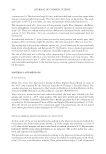
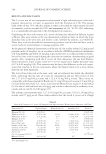
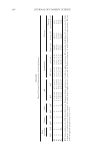
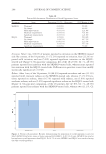
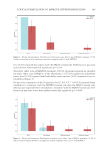
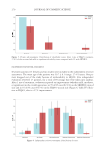
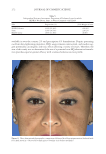
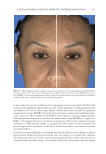
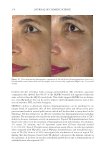
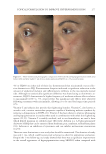
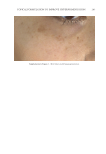
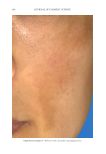
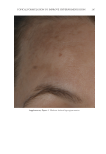
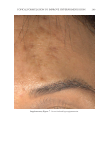
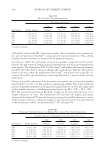
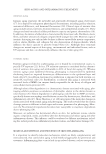
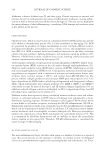
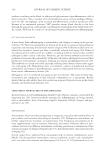
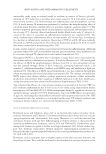
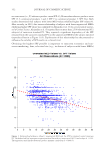
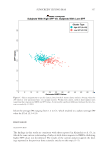
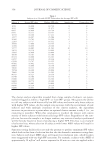
JOURNAL OF COSMETIC SCIENCE 274 between the fi ve reviewers with a strong interreliability. The reviewers’ pair-wise comparison data showed that 88.2% of the SKNB19-treated side appeared either the same or better than the HQ4%-treated side. This study supports SKNB19 as an alterna- tive, non-HQ product that can be used to improve skin hyperpigmentation, such as that seen in melasma, PIH, and solar lentigines. SKNB19 ’s ability to effectively improve hyperpigmentation can be attributed to its unique blend of ingredients that all have demonstrated safety and effi cacy from prior peer-reviewed medical journal publications, which will be described in more detail in the following. TA has emerged as an effective treatment for hyperpigmentation including melasma. The mechanism of action for the reduction in hyperpigmentation is due to TA’s ability to decrease tyrosinase activity in melanocytes. Topical TA formulations have been shown to be effective in the treatment of hyperpigmentation and melasma 2% emulsion, 3% cream, 5% solution, and 5% liposomal cream have all been clinically studied (11,13,18–20). Topical TA applications demonstrate equal effi cacy in reducing melasma when compared with HQ alone, topical HQ plus dexamethasone, and intradermal injec- tions of TA (26). Kim et al 2016 investigated the mechanism of action of topical TA, fi nding that skin biopsies treated with TA showed a decrease in the melanin content in the epidermis. A decrease in vascular endothelial growth factor and a downregulation of endothelin were also reported (20). Figure 10. Three-dimensional photographic comparison of left-sided facial hyperpigmentation (lower eye- lid and midface area) before (left) and after (right) 4 wk of twice-daily application HQ4% in a 53-year-old woman.

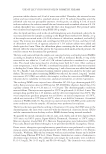
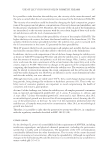
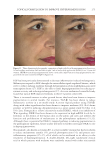
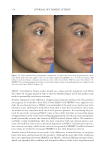
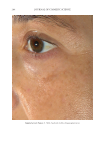
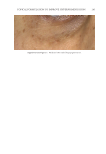
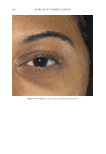
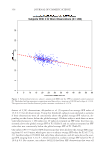
TOPICAL FORMULATION TO IMPROVE HYPERPIGMENTATION 275 EGF has been previously demonstrated to decrease infl ammation-induced melanogenesis. Melanocytes respond to EGF through the extracellular signal–regulated kinases, which serve to reduce melanin synthesis through downregulation of microphthalmia-associated transcription factor (27). EGF is also able to limit hyperpigmentation by reducing ty- rosinase activity and reducing melanogenesis (17). A recent randomized controlled study found that topical EGF improved melasma in their 15-patient cohort (28). There is increased interest in other growth factors that have been shown to improve pigmentation in animal models. For instance, TGF-β1 has been shown to reduce melanocytic activity in a rat model study. A recent topical product using TGF-β1 along with other ingredients has been shown to improve melasma (29). IL-6 shows promise as well by inducing depigmentation in a prior animal study by Choi et al (30). Last, Yamaguchi et al have extensively studied DKK1, which is an inhibitor of Wnt signaling. DKK1 has been shown to be expressed in high mRNA levels by fi - broblasts in the dermis of the human skin on the palms and soles and inhibits the function and proliferation of melanocytes in the palmoplantar epidermis (31,32). Although there is potential for DKK1’s targeted pathway in reducing pigmentation in the palmoplantar epidermis, future studies will need to further investigate DKK1’s role in hyperpigmentation. N iacinamide, also known as vitamin B3, is a water-soluble vitamin that has been shown to reduce melanosome transfer (33), provide photoprotection (34), and possess anti- infl ammatory properties (35–37), all of which can be attributed to its effi cacy in the treatment of hyperpigmentation. A double-blinded, left–right randomized clinical trial in which patients with melasma were randomly treated with either niacinamide Figure 11. Three-dimensional photographic comparison of right-sided facial hyperpigmentation (lower eye- lid and midface area) before (left) and after (right) 4 wk of twice-daily application SKNB19 in a 53-year-old woman. SKNB19-treated hyperpigmentation shows a noticeable improvement in hyperpigmentation com- pared with the side treated with HQ4% (Figure 10).
Purchased for the exclusive use of nofirst nolast (unknown)
From: SCC Media Library & Resource Center (library.scconline.org)