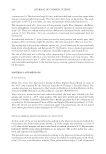
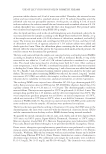
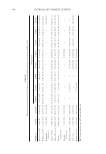
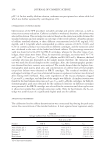
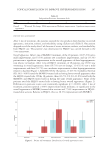
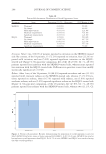
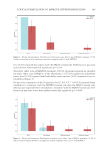
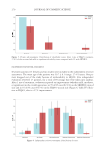
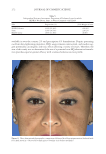
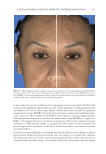
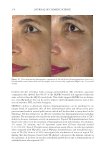
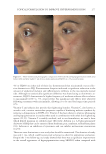
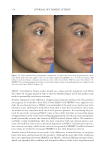
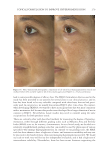
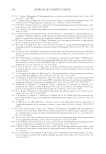
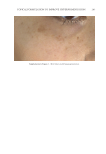
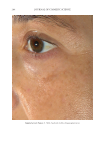
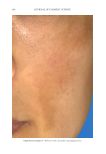
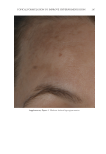
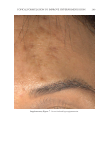
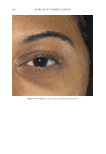
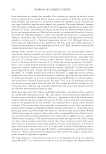
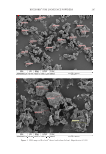
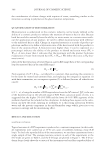
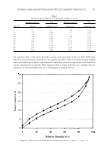
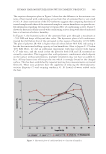
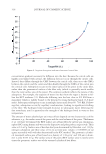
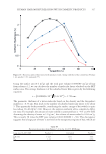
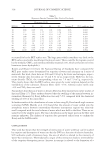
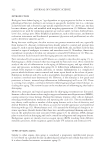
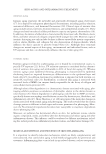
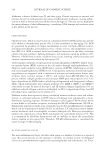
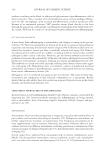
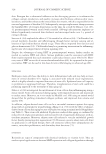
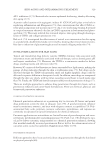
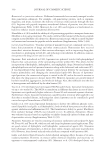
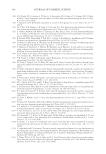
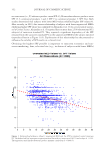
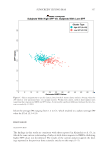
JOURNAL OF COSMETIC SCIENCE 276 Figure 13. Three-dimensional photographic comparison of right-sided facial hyperpigmentation (cheek and under eye area) before (left) and after (right) 4 wk of twice-daily application SKNB19 in a 27-year-old woman. The subject reported moderate irritation and redness at the 4-wk visit with the HQ4%-treated side (Figure 12). SKNB19-treated hyperpigmentation shows a noticeable improvement in hyperpigmentation compared with the side treated with HQ4% (Figure 12). Figure 12. Three-dimensional photographic comparison of left-sided facial hyperpigmentation (cheek and under eye area) before (left) and after (right) 4 wk of twice-daily application HQ4% in a 27-year-old woman.

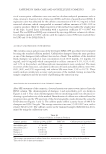
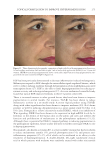
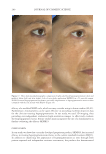
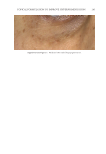
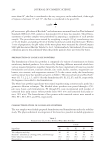
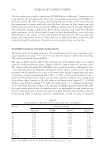
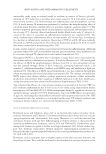
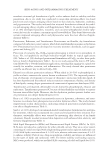
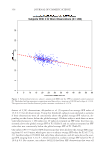
TOPICAL FORMULATION TO IMPROVE HYPERPIGMENTATION 277 4% or HQ4% on either side of their face demonstrated that niacinamide was an effec- tive alternative to HQ. Posttreatment biopsies indicated a signifi cant reduction in the amount of epidermal melanin and infl ammatory infi ltrate in the niacinamide treated side. Although no statistically signifi cant difference was found using a colorimetric as- sessment, HQ4% demonstrated a higher frequency of moderate adverse effects relative to niacinamide (18% vs. 7%, respectively). No signifi cant side effects were observed following treatment with niacinamide, allowing it to be used for longer time periods (25). V itamin C and arbutin also provide skin-lightening benefi ts. Vitamin C, also known as ascorbic acid, contains antioxidant properties capable of hindering melanin synthesis by reducing o-dopaquinone to DOPA (21). Vitamin C has been shown to improve photoaging and hyperpigmentation in studies when used in combination with other skin-lightening agents (22,23). Vitamin C is readily oxidized, and in our formulation, we used a form which helped maintain its stability more effectively. Arbutin is a b-D-glucopyranoside derivative of HQ that can be extracted from bearberry, pear, cranberry, or blueberry plants (38). Arbutin is an inhibitor of tyrosinase and can inhibit melanosome maturation (24,39). T here are some limitations to our study that should be mentioned. The duration of study was only 1 mo, which could be perceived as being too short for appropriate evaluation. Despite the 1-mo follow-up, our study showed that there was a signifi cant improvement in the overall appearance of hyperpigmentation using SKNB19 when compared with Figure 14. Three-dimensional photographic comparison of left-sided facial hyperpigmentation (cheek area) before (left) and after (right) 4 wk of twice-daily application HQ4% in a 35-year-old woman.
Purchased for the exclusive use of nofirst nolast (unknown)
From: SCC Media Library & Resource Center (library.scconline.org)