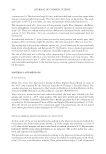
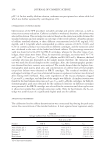
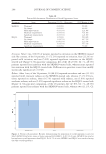
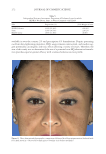
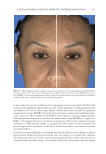
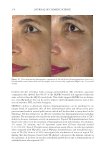
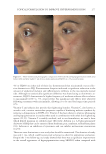
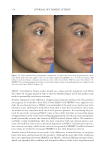
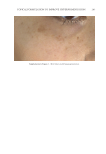
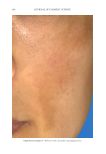
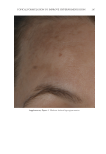
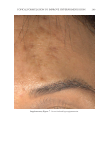
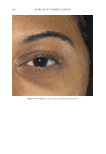
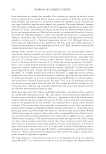
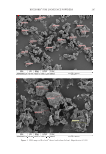
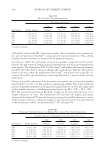
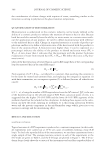
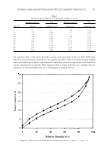
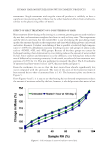
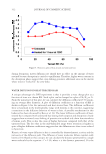
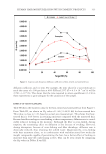
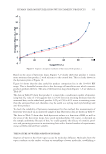
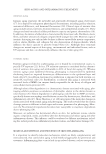
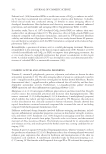
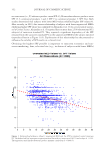
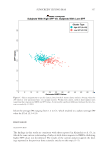
JOURNAL OF COSMETIC SCIENCE 278 HQ4%. Nevertheless, future studies should use a larger patient population and follow the cohort for a longer period of time to uncover whether longer use of this product may result in potentially even better outcomes. A nother limitation is the difference of application frequency between the two products investigated. It would have been ideal if both HQ4% and SKNB19 were applied twice daily. In our clinical practice, HQ4% is recommended to be used once a day because of its tolerance issues. Although it would have been ideal to dose the two products twice daily, we wished to stay consistent with our clinical practice patterns. In considering our pro- tocol for our study, increasing HQ4%’s dose to twice daily may have increased the degree of improvement in the treated areas of hyperpigmentation, but this increase in frequency would potentially increase the chances of HQ4%-related adverse effects. We wanted to establish a study methodology that was most consistent with our clinical practice pat- terns. Nevertheless, this creates a potential limitation to HQ4%’s full potential and cre- ates a bias in our study, which we are aware of, but given that SKNB19 could be tolerated twice daily, we wished to investigate SKNB19 at this ideal frequency interval. A nother area of limitation in our study is the differences in formula bases, or excipient bases, that were used between the two products. Although we were effectively evaluating the active ingredients between SKNB19 and HQ4%, each had differing excipient bases, which can arguably affect stability and absorption effi cacy of the active ingredients and Figure 15. Three-dimensional photographic comparison of right-sided facial hyperpigmentation (cheek area) before (left) and after (right) 4 wk of twice-daily application SKNB19 in a 35-year-old woman. The subject reported moderate irritation and redness at the 4-wk visit with the HQ4%-treated side (Figure 14). SKNB19-treated hyperpigmentation shows a noticeable improvement in hyperpigmentation compared with the side treated with HQ4% (Figure 14).

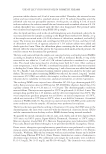
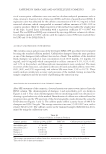
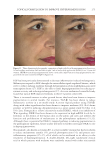
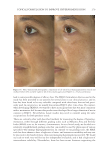
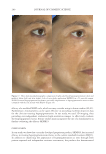
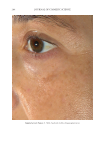
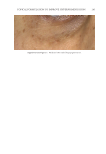
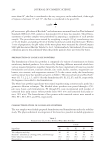
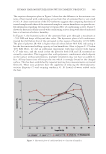
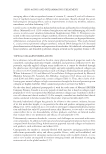
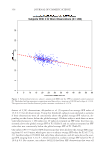
TOPICAL FORMULATION TO IMPROVE HYPERPIGMENTATION 279 lead to some possible degrees of effi cacy bias. The HQ4% formulation that we used in the study has been provided to our patients for several years in our clinical practice, and its base has been found to be very tolerable compared with other bases that we had previ- ously used. In our practice, we usually discontinue HQ4% after 1 mo of use. By contrast, when developing SKNB19, we wanted to have an excipient base that was more consistent with a moisturizer feel because this product was developed for a longer duration of use in contrast to HQ4%. Nevertheless, future studies may need to consider using the same excipient base for both products tested. T here are certainly other well-described methods for measuring the degree of hyperpig- mentation, either through different grading scales such as Melasma Area and Severity Index (MASI) score or, for instance, chromameters. In our clinical study, we decided on a relatively straightforward grading scale that can readily be used by physicians of various specialties who manage hyperpigmentation. In contrast to our grading scale, the MASI scale has been shown to have a high rate of intra- and interrater variability and may not be practical in the hands of many clinicians managing hyperpigmentation (40). We found our scale to work very well for our fi ve independent evaluators, and it had a high rate of interevaluator reliability. Nevertheless, there has been recent literature supporting the Figure 16. Three-dimensional photographic comparison of left-sided facial hyperpigmentation (cheek and midface) before (left) and after (right) 4 wk of twice-daily application HQ4% in a 53-year-old woman.
Purchased for the exclusive use of nofirst nolast (unknown)
From: SCC Media Library & Resource Center (library.scconline.org)