JOURNAL OF COSMETIC SCIENCE 326 markers circulating in the blood, in addition to high amounts of proinfl ammatory cells in their tissues (47). Also, a number of T-cell lymphocytes grow, and macrophages differen- tiate into M1 macrophages, with increased proinfl ammatory cytokine production (46). Because of its anatomical position, VAT provides venous blood directly to the liver through the portal vein, consequently controlling the metabolism of the whole body (47). As a result, VAT may be a source of circulating low-grade infl ammation (infl ammaging). GUT AND SKIN MICROBIOTA A new t heory links infl ammaging to permeability and changes occurring in the gut mi- crobiota (39). Those microorganisms are known for their role in counteracting pathogenic organisms and retaining the intestinal barrier integrity (48). Different studies have con- fi rmed that benefi cial normal gut fl ora is markedly reduced with aging (49). Reduced microbiota permits other bacteria to inhabit, including symbiotic bacteria that could be pathogenic under certain conditions. Moreover, gut microbiota imbalance has been hy- pothesized to increase the permeability of the mucosal barrier, allowing bacteria and their products to reach systemic circulation, resulting in a chronic proinfl ammatory state (39). This imbalance is clearly noticeable in people suffering from chronic diseases that aggra- vate with aging (39). Nonetheless, there is no defi nite evidence of heightened intestinal permeability and release of proinfl ammatory agents in older people who are not suffering from chronic infl ammatory diseases (50). Shibaga ki et al. (51) correlated skin aging to skin microbiome. The study involved char- acterization and comparison of skin bacterial communities in 2 age-groups. Results showed that in older adults, there was a reduction in genus Propionibacterium in the cheek, forearm, and forehead microbiomes (51). TREATME NT APPROACHES OF INFLAMMAGING An inte rvention to solve infl ammaging should be safe, effi cient, nontoxic, and suitable for long-term use (10). Several treatment strategies for infl ammaging are being assessed, such as antioxidants, ways of increasing adaptive immunity, lifestyle changes, and pro-/ prebiotics use (10). ANTIOXI DANTS Antioxi dants, which are either endogenous or exogenous, neutralize the harmful effects of pro-oxidants and minimize physiological disorders (52). Endogenous antioxidants are further categorized as enzymatic or nonenzymatic (52). Exogenous antioxidants are di- etary supplemented, such as vitamins, fl avonoids, and others. Defensive effects of anti- oxidants are based on different mechanisms, including prevention or elimination of free radicals and repair of damaged biomolecules (53). Antioxidants have clinical potential for antiaging (52). Several studies have addressed how antioxidants help in chronic infl ammatory states. Masaki (54) discussed how antioxidants, such as tocopherols, ascorbic acid, and polyphe- nols, can reduce skin diseases and photoaging (54). Lee et al. (55) performed an in vivo

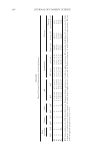
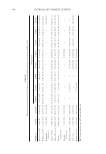
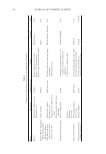
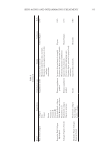
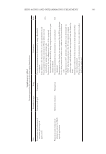
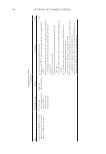
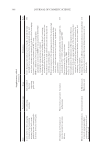
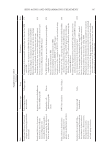
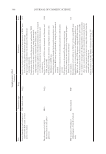
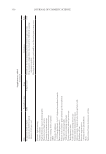
SKIN-AGING AND INFLAMMAGING TREATMENT 327 antiwrinkle study using an animal model to evaluate an extract of Veronica offi cinalis, showing an 18% reduction in wrinkles after cream usage for 56 d. Curcumin, a natural extract from turmeric, has demonstrated anti-infl ammatory and antineoplastic activity (56). A study among 28 women was performed to evaluate the-antiphotoaging effect of curcumin using Tricutan, a herbal extract of rosemary, turmeric, and gotu kola (57). The product improved photoaging based on skin fi rmness and general self-assessment after 1 mo of usage (57). Another clinical randomized double-blind study with 47 subjects fo- cused on the effect of curcumin on infl ammatory mediators was conducted (56). The study confi rmed anti-infl ammatory effects of water extract of Curcuma longa as evidenced by a decline in infl ammatory mediators. Quantities of TNF-α and IL-1β were markedly decreased in mRNA and proteins. The enhanced hyaluronan production with increased skin water content had a moisturizing effect (56). In sum, studies support curcumin as a potential intervention for infl ammaging. Although curcumin suffers low oral bioavailability and fi rst-pass metabolism, these drawbacks can be overcome through IV administration and current formulations (56). Naringenin (NGN) is a fl avanone that is abundant in many fruits and is characterized by antioxidant and anti-infl ammatory properties. A study by Martinez et al. (58) investigated the effi cacy of NGN for antiphotoaging in hairless mice (58). In vitro antioxidant activity was fi rst assessed through ability of ferric reduction, scavenging hydroxyl radicle, 2,20 azinobis (3 -ethylbenzothiazoline- 6 sulfonic acid (ABTS) assay, and inhibition of lipid per- oxidation (58). The effi cacy of NGN topical formulation in vivo was evaluated through skin edema measurement and several antioxidant assessments (58). The authors concluded that NGN reduces skin edema, inhibits cytokine production, maintains cellular antioxidant production, and promotes heme oxygenase-1 mRNA expression in the skin, thereby pro- viding skin protection from ultraviolet-B irradiation (Supplementary Table 1) (58). Yap evaluated the effi cacy of a topical nano-emulsion tocotrienol-rich fraction (TRF) on skin erythema (infl ammation due to UV) in an in vitro study, using immortalized human keratinocyte cell line (HaCaT) (59). ROS measurement showed a signifi cant decrease in oxidative damage caused by UV (59). Furthermore, Yap tested TRF effects on outer lobes of pig ears, measuring skin antioxidative potentials and sun protection factors (59). TRF was found to reduce free radicals in ex vivo models and decrease UV-induced erythema and tanning in human subjects in a clinical trial (Supplementary Table 1) (59). ROLE OF HORMONE IMBALANCE ON AGING Hormonal status and imbalance play a role as an internal-only inducer of aging. As de- tailed by Giacomoni and D’Alessio (7), hormonal imbalance has a direct effect on vascular aging progression and, subsequently, skin aging. Moreover, it is well-documented that immunity declines with age (60). Infl ammaging in elderly subjects is characterized by elevated proinfl ammatory mediators, such as IL-6 and TNF-α (61). Furthermore, post- menopausal women recognize a decline in estrogen hormones (60). Several studies sup- port that hormone replacement therapy improves immunological parameters (60). Estrogen therapy in postmenopausal women has decreased proinfl ammatory cytokine lev- els, such as IL-6 (60). Hormones, such as estrogens, have a weighty impact on the skin structure, function, and physiological state. This could be attributed to the abundance of estrogen receptors in the
Purchased for the exclusive use of nofirst nolast (unknown)
From: SCC Media Library & Resource Center (library.scconline.org)