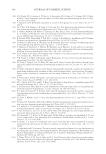
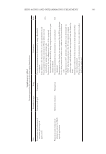
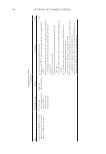
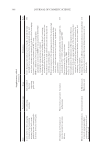
JOURNAL OF COSMETIC SCIENCE 328 skin. Estrogen has a substantial infl uence on the skin-aging process as it enhances the collagen content, production, and quality increases skin thickness enhances skin vascu- larization and further enhances the extracellular skin matrix, which is responsible for the tone and appearance of the skin (62). Subsequently, estrogen replacement therapy reverses the harmful effect of estrogen deprivation on the skin. In a study by Brincat et al. (63), 41 postmenopausal women treated with estradiol (100-mg) subcutaneous implants ex- hibited signifi cantly increased skin thickness and metacarpal index over 1-y period of estrogen therapy. Stout et al. (64) explored the effect of 17α-estradiol in old mice (64). 17α-Estradiol im- proved metabolic disorders and infl ammaging through better nutrient sensing and al- teration of lipid redistribution related to age. These effects improved liver function and glucose homeostasis (64). 17α-Estradiol may be a promising intervention for infl ammag- ing because of its improvement of leptin signaling (64). Des pite the advantages of using HRT in postmenopausal women, further studies are needed to examine HRT side effects. Serious problems could be associated with HRT. Some studies reported that such treatment could induce breast cancer (60,61,65). More- over, users of HRT are at risk of venous thromboembolism (66). As supported in the previ- ous studies, HRT can be used in low doses for anti-infl ammaging in advanced age (60). STE M CELLS Emb ryonic stem cells have the ability to form differentiated cells and may help in treat- ment of several disorders (67). Aging is associated with reduced tissue regeneration, which is highly related to impaired functions of stem cells. Epidermal stem cell capacity to proliferate is suppressed with age. Therefore, transplantation of stem cells could be a promising approach to the treatment of skin aging (2). Dol es et al. (68) investigated the involvement of stem cells in skin infl ammaging using a mouse model. Stem cells increased during aging, with impaired function and ineptitude to endure stress. Moreover, an in vivo study by Mojallal et al. (69) using an animal model showed that fat grafting stimulated collagen synthesis and improved skin volume and quality (69). In addition, adipose-derived stem cells can be a successful treatment against skin aging along with its potentials for wound healing. Zhang et al. (70) tested the effect of adipose- derived stem cells on skin aging because of D-galactose using an animal model (Supplemen- tary Table 1). These stem cells inhibited D-galactose–induced skin aging, as confi rmed by reduced levels of glycation products and increased levels of superoxide dismutases with an- tioxidant properties. Moreover, adipose stem cells released a vascular endothelial growth factor, thereby promoting skin regeneration (70). However, concerns about stem cells limit its application in cell-based therapy. Stem cell senescence affects their subpopulation dy- namics, ruins their proliferation, and diminishes their functions (71). RET INOIDS Ret inoids are types of compounds with chemical similarity to vitamin A (2). They are used as topical application to decrease MMP expression and collagen degradation through

SKIN-AGING AND INFLAMMAGING TREATMENT 329 AP-1 inhibition (2,72). Retinoids also increase epidermal thickening, thereby alleviating skin aging (2,72). A p rotein called cysteine-rich angiogenic inducer 61 (CCN1/Cyr61) plays a vital role in regulating infl ammation and fi brogenesis (73) thus, interventions that affect CNN1 ac- tivity play an important role in senescence (73). An in vivo study using vitamin A (retinol) as a topical treatment observed a decline in CNN1 expression in both natural and photo- aged skin (72). This study inferred that retinoids improve skin aging through downregu- lation of CNN1 and collagen production (72). Kafi et al. (74) investigated the effectiveness of retinol as an intervention for skin aging in a randomized, double-blind study over 24 weeks, showing that retinol improves wrin- kles due to induction of glycosaminoglycan and increased collagen production (74). NOV EL FORMULATIONS FOR SKIN AGING Top ical and transdermal drug delivery systems (TDDSs) eliminate risks associated with intravenous routes and drawbacks associated with oral therapy, such as altered gastric pH and hepatic metabolism (75). Moreover, the TDDS is a noninvasive method to deliver drugs, avoiding trauma and infection risks (76). How ever, SC consists of dead keratinocyte layers surrounded by a lipid matrix, making the passage of drug molecules through the skin a troublesome issue (75). Few drugs can be delivered through the TDDS (exceptionally, small and highly lipophilic drugs could be delivered via passive diffusion at therapeutic levels). In addition, most drugs are transported through the skin very slowly, with lag times exceeding several hours to reach steady-state fl ux (76). Finally, the TDDS and dermal transport suffer poor skin penetration of drugs (77). The re are multiple approaches to enhance drug penetration through skin layers, such as penetration enhancers and carrier-based formulations. There are chemical, physical, and biomaterial penetration enhancers. CHE MICAL PENETRATION ENHANCER Che mical penetration enhancers are a promising way to overcome SC barrier and permit drug permeation across the skin in adequate rates (78). A good penetration enhancer must be nonirritant, nontoxic, and inert with adequate cosmetic acceptability (79). Poly- unsaturated fatty acids, polymers, nonionic surfactants, pyrrolidones, and terpenes are commonly incorporated in topical formulations for chemical enhancers. Cur cumin applications as antioxidants are limited because of poor absorption and exces- sive hepatic metabolism after oral administration (78). Patel et al. (78) developed a topi- cal gel to deliver curcumin, using menthol as a chemical penetration enhancer, showing that menthol markedly increased percutaneous fl ux as well as the enhancement ratio of curcumin across excised rat epidermis (Supplementary Table 1) (78). PEN ETRATION ENHANCER Dif ferent approaches have been used to facilitate drug penetration through the skin based on physical principle (80).
Purchased for the exclusive use of nofirst nolast (unknown)
From: SCC Media Library & Resource Center (library.scconline.org)