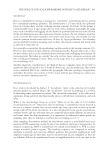
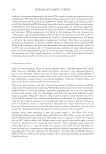
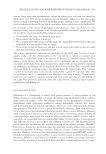
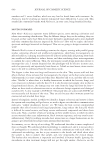
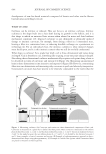
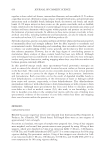
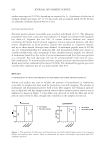
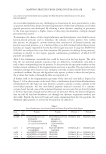
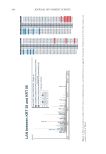
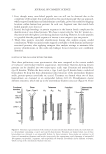
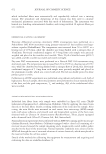
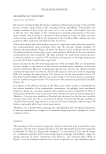
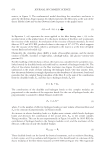
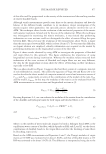
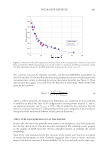
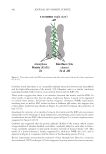
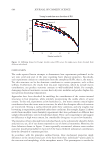
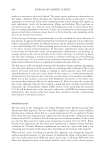
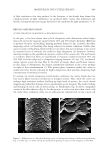
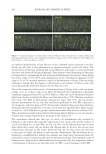
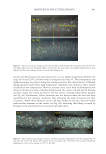
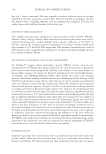
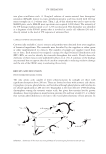
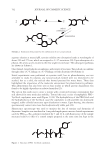
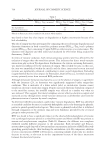
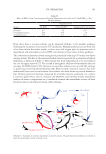
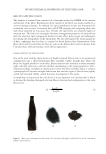
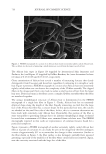
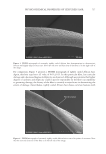
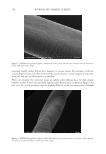
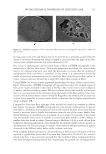
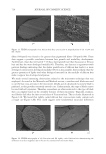
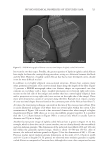
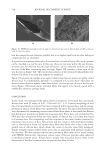
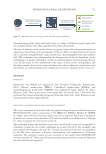
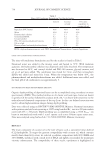
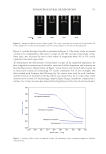
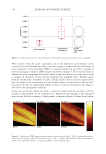
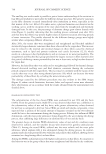
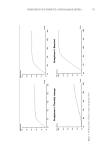
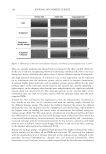
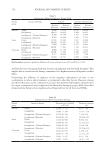
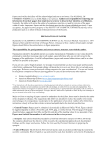
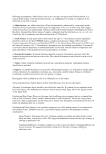
726 JOURNAL OF COSMETIC SCIENCE we did not color match the two different hair types by a spectrophotometric technique. In this particular case, our Caucasian hair sample was European dark brown hair, which presumably should contain less melanin granules than tightly curled African hair just based on the color difference. Nevertheless, a more rigorous, quantitative study would be required to make any assumptions about the melanin content of the different hair types. TENSILE PROPERTIES The inherent weakness of textured hair, as compared to straight hair, has led researchers to conduct studies to better understand its mechanical properties and susceptibility to Figure 14. FESEM micrographs of tightly curled African hair showing (A) the overall fiber cross-section at ×1,100 magnification and (B) high magnification view (×6,000) at the fracture point showing one of the structural elements, which appears to contain a number of macrofibrils bound together. Figure 15. FESEM micrograph (×12,000 magnification) of a fractured cross-section of tightly curled African hair at the interface of the cuticle and cortex. Dimensions are provided for two of the many macrofilaments and one of the melanin granules.

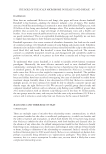
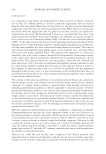
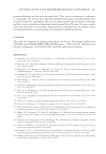
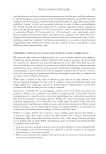
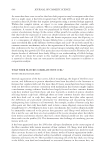
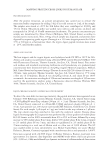
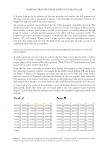
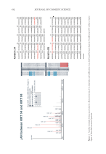
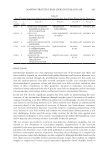
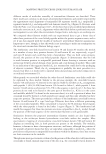
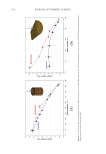
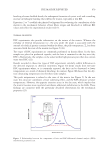
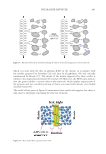
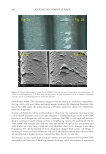
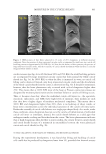
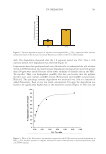
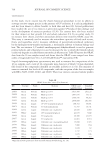
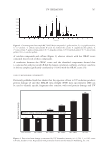
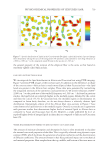
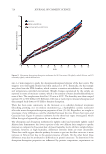
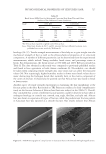
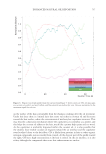
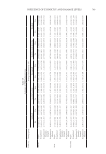
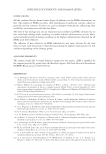
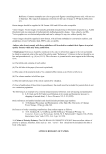
727 PHYSICOCHEMICAL PROPERTIES OF TEXTURED HAIR breakage (54–57). Tensile strength measurements of hair help us to gain insight into the mechanical strength of hair as well as the physicochemical properties of its structural components. A number of different parameters can be determined from the experimental measurements, which include Young modulus, break stress, and percentage strain at break. For demonstration, the break stresses at 65% RH and 100% RH are provided in Table II. The data obtained in this study were compared to previously published studies and found to have agreement at both climate conditions (6). Nevertheless, care should be taken when comparing tensile strength data since strain rate can affect the measured values (58). Not surprisingly, higher humidity results in lower stress break values due to water obstructing the hydrogen bonds that normally form in the matrix component of the cortex of dry hair. It should also be pointed out that African hair was found to break at lower strains. Another aspect of tensile strength experiments is examining the hair morphology at the fracture point in the fiber. Researchers at TRI Princeton conducted a fairly comprehensive study on the fracture behavior of African hair (from one subject) in the 1980s (7). Overall, they concluded that a series of different fracture patterns could be observed in hair when it undergoes breakage in a tensile test: smooth, step, angle, fibrillate, and split end. African hair was shown to experience all types of fracture, while the predominant fracture pattern in Caucasian hair was reported as a smooth fracture. Our results indicate that African Table II Break Stress (MPa) Data for African and Caucasian Hair From This and Other Studies at Two Different Climate Conditions Studya 65% RH 100% RH African Caucasian African Caucasian A 191 188 156 165 B 180 178 160 155 C 148 184 94 162 D 112 180 — — This study 155 ± 28 194 ± 13 122 ± 23 180 ± 16 a The African hair reported is tightly curled African hair. Source: Data from Studies A, B, C, and D, reported for four different locations, were published in a review article by Wolfram (6). Figure 16. FESEM micrographs of a step fracture in Caucasian hair at (A) low and (B) high magnifications.
Purchased for the exclusive use of nofirst nolast (unknown)
From: SCC Media Library & Resource Center (library.scconline.org)