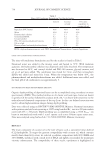
700 JOURNAL OF COSMETIC SCIENCE hair (no C sinensis treatment). Hair was exposed to artificial radiation using the settings described in the next section for a total of 60 h. After 20 and 40 h of irradiation, the hair was washed with a clarifying shampoo, and tea solutions were reapplied. The hair was washed again with clarifying shampoo before extraction. EXPOSURE TO ARTIFICIAL RADIATION Hair samples were exposed to simulated sun exposure with an Atlas Ci3000+ Weather- Ometer® (Atlas, Chicago, Illinois). Both internal and external quartz filters were used to simulate broad-spectrum, outdoor daylight with a specific irradiance of 1.48 W/m2 at 420 nm. During the irradiation process, temperature and relative humidity (RH) were kept constant at 35°C and 80% RH, respectively. This amount of irradiation for a total of 60 h simulates and is approximately equivalent to 40 min/d of summer sunlight exposure for 3 months in Miami, Florida. OXYGEN RADICAL ANTIOXIDANT CAPACITY (ORAC) MEASUREMENTS An OxiSelectTM oxygen radical antioxidant capacity (ORAC) activity assay kit was purchased from Cell Biolabs (San Diego, California). For each measurement, a fluorescent probe solution was freshly prepared by diluting stock solution in the assay diluent. A water-soluble analogue of vitamin E, Trolox™ (6-hydroxy-2,5,7,8-tetramethylchroman- 2-carboxylic acid) (Hoffman-LaRoche, Nutley, New Jersey), was used as the standard material. Antioxidant working standard solutions were freshly prepared by diluting 5 mM Trolox™ stock solution in assay diluent. Serial dilution of extract solutions was performed with assay diluent to ensure that the samples were within the calibration curve range and demonstrated dilution integrity. Aliquots (25 μL) of each antioxidant working standard or sample and 150 μL of fluorescent probe solution were added to the predesignated well in a 96-well clear-bottom black plate. The plate was then allowed to equilibrate by being incubated for 30 min at 37°C. Free-radical initiator solution was freshly prepared at 80 mg/ mL in undiluted phosphate-buffered saline. Reactions were initiated by the addition of 25 μL of free-radical initiator solution into each well. Fluorescence signals were read with a Spectramax M3 multimode microplate reader using SoftmaxPro 7.0 software (Molecular Devices, San Jose, California) at 37°C with an excitation wavelength of 480 nm and an emission wavelength of 520 nm for 60 min in increments of 3 min. The final assay values of the blank control should be less than 10% of the initial values for the assay to be completed. A calibration curve was constructed by plotting the differences in the areas under the fluorescence kinetic decay curves against the Trolox™ antioxidant standard concentrations. The ORAC value of the extract solution was determined by back-calculation using a linear regression of the calibration curve and was expressed in terms of micromoles of Trolox™ equivalents after a correction for the dilution factor was applied. BIOMARKER ANALYSIS Samples (0.5 g) of hair from treated tresses were cut and placed into 50 mL tubes with 5 mL of water added. Tubes with hair and water were mixed on a multitube vortex shaker for 60 min at 2,500 rpm. The water portion was then transferred from the tubes by pipette

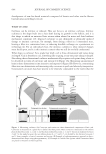
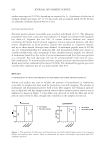
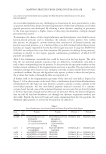
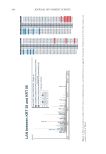
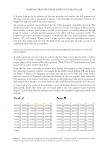
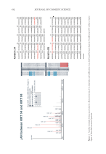
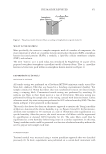
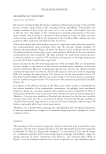
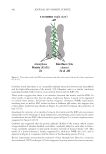
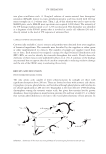
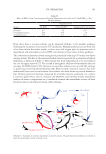
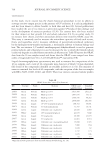
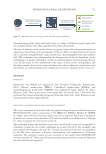
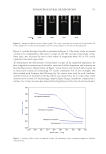
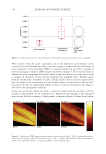
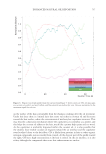
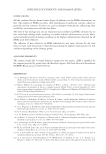
701 UV OXIDATION into glass scintillation vials. A 10 mg/mL solution of matrix-assisted laser desorption/ ionization (MALDI) matrix (α-cyano-4-hydroxycinnamic acid) was mixed with the hair extract samples in a 1:1 volume ratio. Then, 1 μL of this solution was used to spot on the MALDI plate, and a MALDI mass spectrum was acquired (1,000 shots). The intensity of the UV damage marker peptide at m/z 1,278 was measured. This biomarker was identified as a fragment of the S100A3 protein that is involved in cuticle cell adhesion (24) and is directly related to the level of UV exposure of untreated hair. CAMELLIA SINENSIS (TEA) EXTRACTS Commercially available C sinensis extracts and powders were obtained from seven suppliers of botanical ingredients. The materials were described by the suppliers as either green or white (nonfermented) tea extracts. The number of samples per supplier varied from one to three. Each material was assigned a unique five-digit botanical identification code (BIC). BICs are used to identify the materials throughout this article. Details about the chemistry of these extracts were published by Davis et al. (31). A summary of the findings are presented here to support the role of catechin compounds in reducing oxidative damage and the role of the ORAC assay in evaluating this activity. RESULTS AND DISCUSSION PHOTOCHEMISTRY MODEL SYSTEM The only amino acids capable of direct photoexcitation by sunlight are those with significant absorption above 280 nm. These are limited to those with aromatic side chains: tryptophan, tyrosine, phenylalanine, and histidine (although phenylalanine and histidine do not absorb significantly at 280 nm) (15). Tryptophan is the most effective UVB-absorbing chromophore among the aromatic amino acids, but given that tyrosine has far greater abundance than tryptophan in many keratin proteins (16) and hair overall (17), it is likely that tyrosine photochemistry is relevant to the overall photochemistry of hair proteins. In Scheme 1. Summary of the main reaction pathways of tyrosine upon photoexcitation (20–22).
Purchased for the exclusive use of nofirst nolast (unknown)
From: SCC Media Library & Resource Center (library.scconline.org)