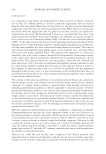
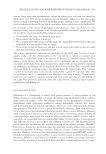
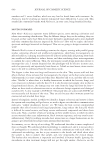
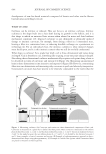
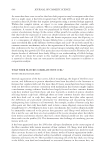
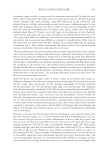
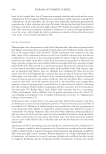
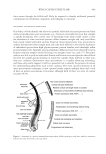
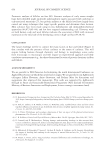
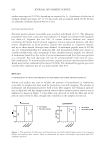
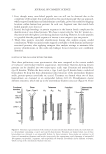
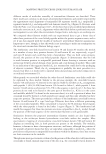
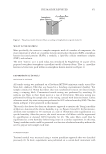
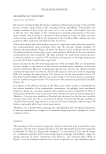
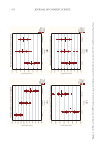
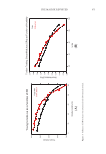
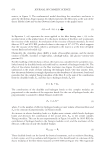
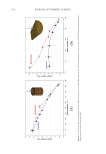
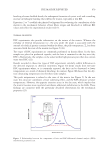
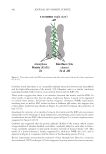
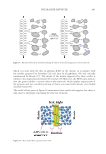
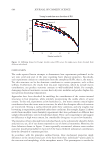
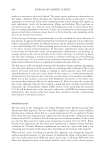
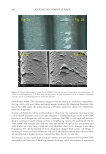
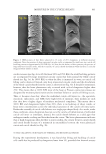
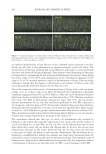
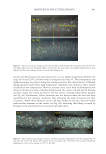
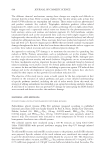
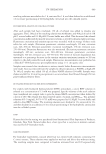
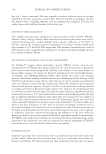
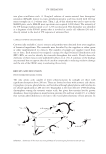
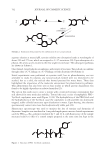
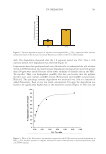
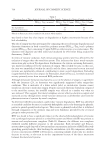
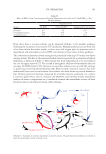
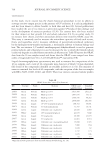
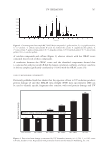
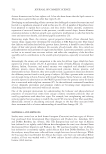
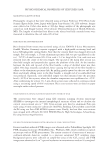
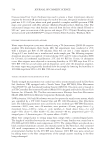
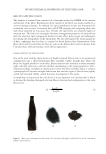
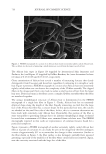
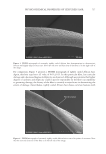
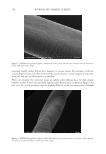
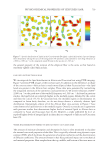
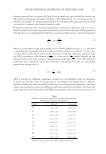
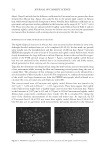
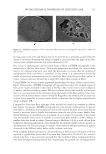
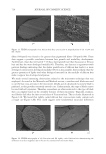
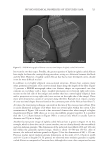
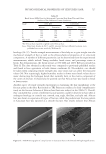
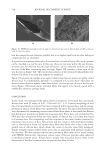
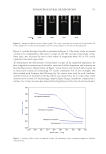
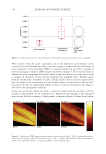
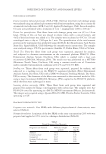
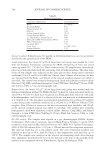
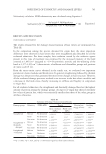
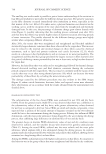
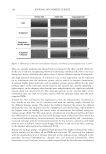
716 JOURNAL OF COSMETIC SCIENCE The African hair types in Figure 1B (supplied by International Hair Importers and Products, Inc.) and Figure 1C (supplied by DeMeo Brothers, Inc.) were determined to have CI values of 0.45 ± 0.08 and 0.63 ± 0.13, respectively. Closer examination of African hair reveals a number of interesting features that clearly distinguish it from Caucasian and Asian hair, regardless if comparing it to straight or curly hair. Figure 2 presents a FESEM micrograph of a section of an African hair tress (extremely tightly curled) where one can observe the complexity of the 3D fiber assembly. The clipped fibers in the image result from cuts made to isolate a small section of hair from the larger hair tress. Twists and turns in the fibers create a complex 3D fiber assembly where the fibers are interlaced together. The unique morphological structure of African hair is demonstrated in the FESEM micrograph of a single hair fiber in Figure 3. Clearly, African hair has an extremely elliptical shape along the length of the fiber. Equally interesting, we find that the large face of the African hair fiber has a concave shape. In this particular hair tress, the cuticles are abraded on the small face side of the fibers. In fact, this is a common observation we have made with extremely curly African hair. Presumably, this portion of the fiber is more susceptible to grooming damage due to its inherent morphological shape. It should be noted that a minimum of 20 fibers were examined from each hair tress. The FESEM micrographs reported in this work are representative of common features found for a particular sample set. Figure 4 presents a FESEM micrograph of another extremely tightly curled African hair fiber at its point of curvature. It can clearly be seen in the image how the fiber undergoes a twist of approximately 90° to accommodate the change in fiber orientation. Similar to the fiber shown in Figure 3, the fiber surface is also damaged, probably from repeated grooming, especially at the small face of the fiber where cuticle layers are removed. Again, note the concavity associated with the large face of the fiber. Figure 2. FESEM micrograph of a section of an African hair swatch (extremely tightly curled African hair). The cut fibers are the result of preparing a small miniature swatch from the larger swatch of hair.

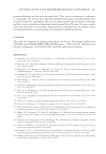
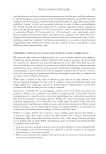
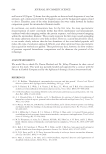
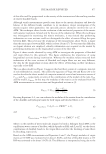
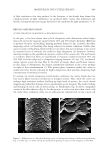
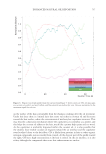
717 PHYSICOCHEMICAL PROPERTIES OF TEXTURED HAIR For comparison, Figure 5 presents a FESEM micrograph of tightly curled African hair. Again, this hair type has a CI value of 0.63 ± 0.13. In this particular fiber, less cuticular damage and a decreased degree of ellipticity are observed. Although we postulate that higher degrees of curliness and ellipticity could in part be responsible for the fiber’s susceptibility to grooming damage, the history of the fiber is certainly a major factor in determining the extent of damage. Nevertheless, tightly curled African hair shares common features with Figure 3. FESEM micrograph of extremely tightly curled African hair demonstrating its characteristic features and highly elliptical structure. Note that the root end direction of the fiber is on the right side of the image. Figure 4. FESEM micrograph of extremely tightly curled African hair at one of its points of curvature. Note that the root end direction of the fiber is on the left side of the image.
Purchased for the exclusive use of nofirst nolast (unknown)
From: SCC Media Library & Resource Center (library.scconline.org)