220 JOURNAL OF COSMETIC SCIENCE
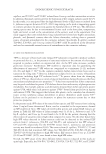
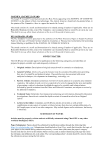
the initial absorbance was read at 475 nm. This solution was incubated for 10 minutes
at 37°C. After 10 minutes, 20 µL of the substrate (8.5 mM L-DOPA) was added. The
mixture was incubated for another 10 minutes at 37°C, and the final absorbance was read
at 475 nm. 1mg/mL kojic acid was used as a positive control.
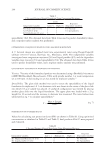
The percent inhibition of tyrosinase enzyme was calculated using the equation:
%)inhibition A A (A
control sample control =-÷ ×100
RESULTS AND DISCUSSION
Continuous exposure of human skin to UV radiation from the sun leads to the formation
of ROS. The presence of antioxidants and phenolic compounds in cosmetic products are
very important in preventing the ROS mechanism. In order to get rid of the harmful
effects of UV radiation, natural products with defined bioactivity have been frequently
preferred in the cosmetic industry in recent years. Consumers have also become aware of the
environmental and human health toxicity of synthetic materials used in cosmetic products,
and prefer products with natural ingredients.29,30 In this study, Usnea sp., L. pulmonaria, and
B. capillaris lichens and their ELF extracts were tested in terms of antioxidant activity, total
phenolic-flavonoid contents, SPF values and tyrosinase inhibitory activity at a concentration
of 1 mg/mL and the results were shared.
ISOLATION OF THE ENDOLICHENIC FUNGAL SPECIES
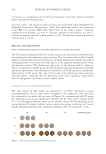
Different endolichenic fungi were isolated from each of Usnea sp., L. pulmonaria, and B.
capillaris lichens and purified. Three different ELF were isolated from L. pulmonaria lichen,
five from B.capillaris lichen and two different ELF from Usnea sp. lichen. Extracts of each
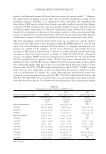
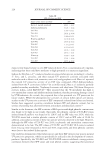
ELF species were used in the experiments (Table I).
TOTAL ANTIOXIDANT, TOTAL PHENOLIC, AND TOTAL FLAVONOID CONTENT
Lichens are used by the public in the food, textile, cosmetics, perfumery, and medicine sectors
thanks to their various bioactivities. They are especially prevelant in the cosmetic industry,
where lichen extracts are used in face/body lotions and baby creams.31,32 The antioxidant,
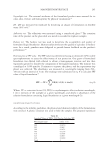
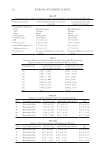
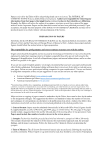
Table I
Extracts of ELF Species Used in the Experiments
L. pulmonaria B. capillaris Usnea sp
T04-P01 T20-B02 T22-P07
T04-P03 T20-P07 T22-B07
T04-P13 T20-P10
T20-P26
T20-P27
In this study, ELF was isolated from three different
lichen species: L. pulmonaria, including T04-P01,
T04-P03, and T04-P13 B. capillaris, including T20-
B02, T20-P07, T20-P10, T20-P26, and T20-P27
Usnea sp., including T22-P07 and T22-B07.
the initial absorbance was read at 475 nm. This solution was incubated for 10 minutes
at 37°C. After 10 minutes, 20 µL of the substrate (8.5 mM L-DOPA) was added. The
mixture was incubated for another 10 minutes at 37°C, and the final absorbance was read
at 475 nm. 1mg/mL kojic acid was used as a positive control.
The percent inhibition of tyrosinase enzyme was calculated using the equation:
%)inhibition A A (A
control sample control =-÷ ×100
RESULTS AND DISCUSSION
Continuous exposure of human skin to UV radiation from the sun leads to the formation
of ROS. The presence of antioxidants and phenolic compounds in cosmetic products are
very important in preventing the ROS mechanism. In order to get rid of the harmful
effects of UV radiation, natural products with defined bioactivity have been frequently
preferred in the cosmetic industry in recent years. Consumers have also become aware of the
environmental and human health toxicity of synthetic materials used in cosmetic products,
and prefer products with natural ingredients.29,30 In this study, Usnea sp., L. pulmonaria, and
B. capillaris lichens and their ELF extracts were tested in terms of antioxidant activity, total
phenolic-flavonoid contents, SPF values and tyrosinase inhibitory activity at a concentration
of 1 mg/mL and the results were shared.
ISOLATION OF THE ENDOLICHENIC FUNGAL SPECIES
Different endolichenic fungi were isolated from each of Usnea sp., L. pulmonaria, and B.
capillaris lichens and purified. Three different ELF were isolated from L. pulmonaria lichen,
five from B.capillaris lichen and two different ELF from Usnea sp. lichen. Extracts of each
ELF species were used in the experiments (Table I).
TOTAL ANTIOXIDANT, TOTAL PHENOLIC, AND TOTAL FLAVONOID CONTENT
Lichens are used by the public in the food, textile, cosmetics, perfumery, and medicine sectors
thanks to their various bioactivities. They are especially prevelant in the cosmetic industry,
where lichen extracts are used in face/body lotions and baby creams.31,32 The antioxidant,
Table I
Extracts of ELF Species Used in the Experiments
L. pulmonaria B. capillaris Usnea sp
T04-P01 T20-B02 T22-P07
T04-P03 T20-P07 T22-B07
T04-P13 T20-P10
T20-P26
T20-P27
In this study, ELF was isolated from three different
lichen species: L. pulmonaria, including T04-P01,
T04-P03, and T04-P13 B. capillaris, including T20-
B02, T20-P07, T20-P10, T20-P26, and T20-P27
Usnea sp., including T22-P07 and T22-B07.