226 JOURNAL OF COSMETIC SCIENCE
and Cho reported that the methanol extract of U. longissima reduced melanin levels in
human melanoma cells through its tyrosinase inhibitory activity.62 Similarly, Aydın et al.
investigated the tyrosinase inhibitory activity of methanol and ethyl acetate extracts of U.
longissima lichen and detected tyrosinase inhibitory activity at increasing concentrations for
both solvents.63 P. austrosinense lichen. In other studies, Phanerochaete sordida ELF extracts
obtained from Bactrospora myriadea lichen exhibited moderate tyrosinase inhibitory activity,
and a similar study reported that various ELF extracts obtained from 29 different lichens
showed varying levels of tyrosinase inhibitory activity, with particularly high activity
reported for Chaetomium globosum extract (308.4 ± 2.49 µg/mL), Hypoxylon lividipigmentum
(121.2 ± 2.55 µg/mL), and Cytospora xylocarpi (68.50 ± 0.34 µg/mL). The authors reported
that C. globosum and H. lividipigmentum exhibited higher activity compared to the positive
control, kojic acid.64,65
Based on previous studies, it is known that several species of lichens exhibit tyrosinase
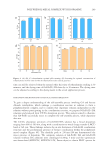
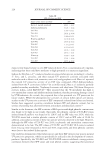
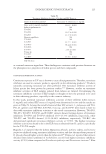
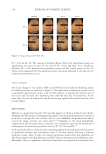
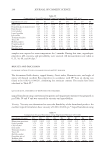
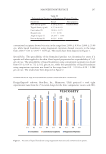
inhibitory activity.58,63 However, in our study, no tyrosinase inhibitory activity was
detected in the extracts of three different lichen species tested at a concentration of 1 mg/
mL. However, it was found that the isolated ELF species exhibited tyrosinase inhibitory
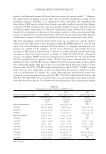
activity. Specifically, high tyrosinase inhibition activity was detected in T20-P07 (33.22)
and T20-P10 (38.44) isolated from the B. capillaris species, as well as in T22-B07 (33.78)
isolated from Usnea sp. From this point of view, considering that lichens reproduce slowly
in nature and are limited in number, it does not seem appropriate to use lichens in the
cosmetic industry for their tyrosinase inhibitory activity. Instead, it can be predicted that
ELFs isolated from lichens can be used as a potential source of tyrosinase inhibitors for in
the cosmetic industry, as it is both sustainable and economically viable due to its ease and
rapidity of production.
CONCLUSION
In recent years, there has been focus on finding new compounds that can be obtained from
natural sources with anti-tyrosinase activity and a high SPF number. Especially considering
that consumers prefer more natural cosmetic products, the search for potential natural
resources is also important for research and development companies and researchers in the
sector. Although plants are used as natural resources, lichens have unique molecules and
numerous bioactivities that make them especially important for the cosmetic industry.
However, given the slow growth and limited availability of lichens in nature, researchers
have turned to ELF. Studies conducted in recent years are thought to be a potential resource
for the cosmetics industry, as ELF have unique bioactivities. In our study, we compared
the tested parameters (total antioxidant activities, total phenolic and flavonoid contents,
SPF values, and anti-tyrosinase activity) of selected lichens (Usnea sp., L. pulmonaria, and
B. capillaris) and isolated ELF samples from them. As stated in the literature, lichens
have many positive biological activities as well as some limitations (poor stability, risk of
degradation in active components, and toxicity to normal cells). However, these problems
are not insurmountable. It is possible to develop a suitable formulation for improving the
stability, dispersal, protection, and effectiveness of lichens and ELF. Furthermore, our
results revealed that sunscreen products with anti-tyrosinase activity can be obtained
from lichen species and their ELF. Encapsulation of these extracts into biodegradable
and biocompatible nanoparticles can increase their bioactivity, reduce toxicity, improve
water solubility, and protect against degradation. For these reasons, despite the promising
and Cho reported that the methanol extract of U. longissima reduced melanin levels in
human melanoma cells through its tyrosinase inhibitory activity.62 Similarly, Aydın et al.
investigated the tyrosinase inhibitory activity of methanol and ethyl acetate extracts of U.
longissima lichen and detected tyrosinase inhibitory activity at increasing concentrations for
both solvents.63 P. austrosinense lichen. In other studies, Phanerochaete sordida ELF extracts
obtained from Bactrospora myriadea lichen exhibited moderate tyrosinase inhibitory activity,
and a similar study reported that various ELF extracts obtained from 29 different lichens
showed varying levels of tyrosinase inhibitory activity, with particularly high activity
reported for Chaetomium globosum extract (308.4 ± 2.49 µg/mL), Hypoxylon lividipigmentum
(121.2 ± 2.55 µg/mL), and Cytospora xylocarpi (68.50 ± 0.34 µg/mL). The authors reported
that C. globosum and H. lividipigmentum exhibited higher activity compared to the positive
control, kojic acid.64,65
Based on previous studies, it is known that several species of lichens exhibit tyrosinase
inhibitory activity.58,63 However, in our study, no tyrosinase inhibitory activity was
detected in the extracts of three different lichen species tested at a concentration of 1 mg/
mL. However, it was found that the isolated ELF species exhibited tyrosinase inhibitory
activity. Specifically, high tyrosinase inhibition activity was detected in T20-P07 (33.22)
and T20-P10 (38.44) isolated from the B. capillaris species, as well as in T22-B07 (33.78)
isolated from Usnea sp. From this point of view, considering that lichens reproduce slowly
in nature and are limited in number, it does not seem appropriate to use lichens in the
cosmetic industry for their tyrosinase inhibitory activity. Instead, it can be predicted that
ELFs isolated from lichens can be used as a potential source of tyrosinase inhibitors for in
the cosmetic industry, as it is both sustainable and economically viable due to its ease and
rapidity of production.
CONCLUSION
In recent years, there has been focus on finding new compounds that can be obtained from
natural sources with anti-tyrosinase activity and a high SPF number. Especially considering
that consumers prefer more natural cosmetic products, the search for potential natural
resources is also important for research and development companies and researchers in the
sector. Although plants are used as natural resources, lichens have unique molecules and
numerous bioactivities that make them especially important for the cosmetic industry.
However, given the slow growth and limited availability of lichens in nature, researchers
have turned to ELF. Studies conducted in recent years are thought to be a potential resource
for the cosmetics industry, as ELF have unique bioactivities. In our study, we compared
the tested parameters (total antioxidant activities, total phenolic and flavonoid contents,
SPF values, and anti-tyrosinase activity) of selected lichens (Usnea sp., L. pulmonaria, and
B. capillaris) and isolated ELF samples from them. As stated in the literature, lichens
have many positive biological activities as well as some limitations (poor stability, risk of
degradation in active components, and toxicity to normal cells). However, these problems
are not insurmountable. It is possible to develop a suitable formulation for improving the
stability, dispersal, protection, and effectiveness of lichens and ELF. Furthermore, our
results revealed that sunscreen products with anti-tyrosinase activity can be obtained
from lichen species and their ELF. Encapsulation of these extracts into biodegradable
and biocompatible nanoparticles can increase their bioactivity, reduce toxicity, improve
water solubility, and protect against degradation. For these reasons, despite the promising