222 JOURNAL OF COSMETIC SCIENCE
such as sun-induced pigmentation and anti-aging.36,37 Although lichens are known to be a
potential source of antioxidants, their slow growth and limited numbers restrict their use
in the cosmetics industry. From this point of view, the determination of high antioxidant
content in ELF extracts in our study shows that it can be evaluated as a potential antioxidant
source in cosmetic products and can be used as a sustainable and environmentally friendly
source with economic benefits.
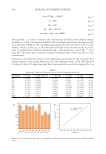
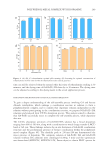
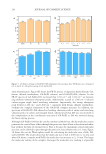
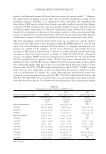
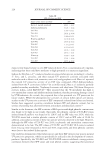
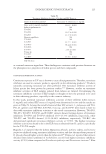
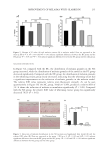
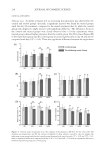
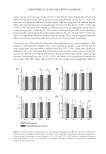
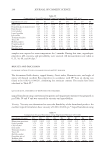
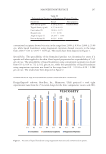
The TPC was calculated in terms of gallic acid equivalent. Although L. pulmonaria had
the highest phenolic content among the lichen species (86.53 mg GAE/g), the phenolic
contents of ELF extracts isolated from this lichen were found to be quite low. On the other
hand, T20-B02 and T20-P26 isolated from B. capillaris had the highest phenolic content,
with 128.87 mg GAE/g and 129.37 mg GAE/g, respectively, similarly to these extract total
antioxidant activities. The TPC of Usnea sp. mg GAE/gTPC activities of the ELF samples
showed similar results to Usnea sp. As a result, it was found that the majority of ELF
extracts had lower TPC activities than their host lichen species. The reason for this finding
may be due to exposure of lichens to various environmental factors such as temperature,
pressure, light, and wind in their surrounding environments. These different environmental
conditions provide the production of secondary metabolites of lichens and increase their
bioactivity. Due to the high phenolic contents of T20-B02 and T20-P26 isolated from
B.capillaris and T22-B07 ELF samples isolated from Usnea sp., we may suggest that they
can be used as potential sources in cosmetic industry.
When the total flavonoid content (TFC) was examined, L. pulmonaria did not show any TFC
activity, but the TFC activities of ELF extracts isolated from this species were found to be
in the range of 204.75–399.33 mg rutin/g. Similarly, no results were found for B. capillaris,
but the amount of flavonoids in the ELF extracts isolated from these lichens ranged from
51.45–373.93 mg rutin/g. Although the TFC value of Usnea sp. was found to be 263.32 mg
rutin/g, the TFC values of ELF extracts isolated from this species were lower than those
isolated from the lichen.
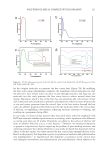
Lichen samples are a natural source of antioxidants.38,39 However, their slow growth in
nature limits their active use in industries such as cosmetics, despite their high antioxidant
activity. For this reason, it is thought that it is important to determine the bioactivities,
especially the antioxidant activities, of ELF samples isolated from lichens. In particular,
it has been reported that the antioxidant activity of the (3R)-5-hydroxymellein (150)
compound of ELF000039 species isolated from Parmotrema austrosinense lichen was found to
be high with an IC50 value of 1,170.8 µg/mL.40 Also, two new polyketides from Curvularia
trifolii isolated from Usnea sp. exhibited antioxidant activities with IC50 values of 4 and
1.3 mg/ml, respectively.41 However, studies on the bioactivities of ELF samples are limited,
and further detailed researches are needed.
Poornima et al. investigated the total antioxidant and phenolic contents of ELF extracts
isolated from different lichen species. They reported varying results in the total antioxidant
activities (10–90%) of ELF extracts isolated from different lichen species.42 They also
reported similar results in the total phenolic contents to those of the total antioxidant
activities. Similarly, the total antioxidant, phenolic, and flavonoid contents of ELF extracts
isolated from three different Usnea lichens were determined. They reported that the ELF
extracts had strong antioxidant activity, while the total phenolic and flavonoid content
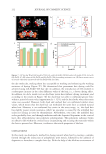
results showed differences.43 According to the literature, there is a positive correlation
between antioxidant activity and phenolic content.44,45 Similar to this data, we also observed
a positive correlation between TPC of T20-B02 and T20-P26 isolated from the species B.
such as sun-induced pigmentation and anti-aging.36,37 Although lichens are known to be a
potential source of antioxidants, their slow growth and limited numbers restrict their use
in the cosmetics industry. From this point of view, the determination of high antioxidant
content in ELF extracts in our study shows that it can be evaluated as a potential antioxidant
source in cosmetic products and can be used as a sustainable and environmentally friendly
source with economic benefits.
The TPC was calculated in terms of gallic acid equivalent. Although L. pulmonaria had
the highest phenolic content among the lichen species (86.53 mg GAE/g), the phenolic
contents of ELF extracts isolated from this lichen were found to be quite low. On the other
hand, T20-B02 and T20-P26 isolated from B. capillaris had the highest phenolic content,
with 128.87 mg GAE/g and 129.37 mg GAE/g, respectively, similarly to these extract total
antioxidant activities. The TPC of Usnea sp. mg GAE/gTPC activities of the ELF samples
showed similar results to Usnea sp. As a result, it was found that the majority of ELF
extracts had lower TPC activities than their host lichen species. The reason for this finding
may be due to exposure of lichens to various environmental factors such as temperature,
pressure, light, and wind in their surrounding environments. These different environmental
conditions provide the production of secondary metabolites of lichens and increase their
bioactivity. Due to the high phenolic contents of T20-B02 and T20-P26 isolated from
B.capillaris and T22-B07 ELF samples isolated from Usnea sp., we may suggest that they
can be used as potential sources in cosmetic industry.
When the total flavonoid content (TFC) was examined, L. pulmonaria did not show any TFC
activity, but the TFC activities of ELF extracts isolated from this species were found to be
in the range of 204.75–399.33 mg rutin/g. Similarly, no results were found for B. capillaris,
but the amount of flavonoids in the ELF extracts isolated from these lichens ranged from
51.45–373.93 mg rutin/g. Although the TFC value of Usnea sp. was found to be 263.32 mg
rutin/g, the TFC values of ELF extracts isolated from this species were lower than those
isolated from the lichen.
Lichen samples are a natural source of antioxidants.38,39 However, their slow growth in
nature limits their active use in industries such as cosmetics, despite their high antioxidant
activity. For this reason, it is thought that it is important to determine the bioactivities,
especially the antioxidant activities, of ELF samples isolated from lichens. In particular,
it has been reported that the antioxidant activity of the (3R)-5-hydroxymellein (150)
compound of ELF000039 species isolated from Parmotrema austrosinense lichen was found to
be high with an IC50 value of 1,170.8 µg/mL.40 Also, two new polyketides from Curvularia
trifolii isolated from Usnea sp. exhibited antioxidant activities with IC50 values of 4 and
1.3 mg/ml, respectively.41 However, studies on the bioactivities of ELF samples are limited,
and further detailed researches are needed.
Poornima et al. investigated the total antioxidant and phenolic contents of ELF extracts
isolated from different lichen species. They reported varying results in the total antioxidant
activities (10–90%) of ELF extracts isolated from different lichen species.42 They also
reported similar results in the total phenolic contents to those of the total antioxidant
activities. Similarly, the total antioxidant, phenolic, and flavonoid contents of ELF extracts
isolated from three different Usnea lichens were determined. They reported that the ELF
extracts had strong antioxidant activity, while the total phenolic and flavonoid content
results showed differences.43 According to the literature, there is a positive correlation
between antioxidant activity and phenolic content.44,45 Similar to this data, we also observed
a positive correlation between TPC of T20-B02 and T20-P26 isolated from the species B.