249 Magnesium Myristate
OPTIMIZATION OF LIQUID FOUNDATION USING MAGNESIUM MYRISTATE
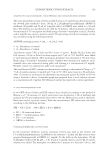
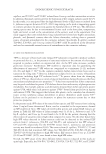
The 32 factorial design for the two ingredients magnesium myristate (X1) and Liquid
paraffin (X2) which were adjusted at three different levels (coded as -1, 0, and 1), projected
a total of nine trial runs. The response parameters of viscosity (Y1) and spreadability (Y2)
were investigated in this work (Table VII and Table VIII). The residual equations in terms
of coded factors for two dependent variables are shown below.
For dependent variable 1 (viscosity):
Viscosity 2,867.11 A B =+-255.93 39.33 × ×
For dependent variable 2 (spreadability):
Spreadability A B =-+7 52 0.9076 0.2017 .× ×
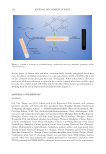
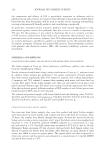
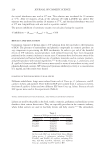
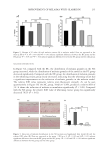
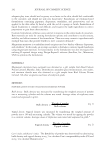
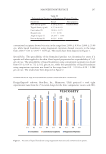
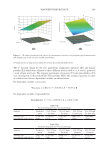
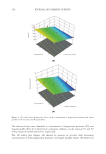
Figure 3. 3D surface plot showed the effects of concentration of stearic acid, propylene glycol monostearate
and dimethicone on (A) viscosity and (B) spreadability.
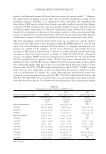
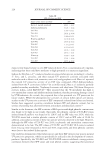
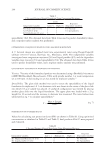
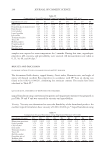
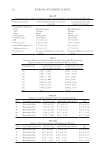
Table VII
Predicted Responses for 23 Factorial Design
Analysis Predicted
mean
95% CI low
for mean
95% CI high
for mean
95% TI low
for 99% pop
95% TI high
for 99% pop
Viscosity (cp) 2,754.123 2,714.512 2,793.423 2,489.312 3,018.641
Spreadability (gm.cm./sec) 6.683 6.514 6.461 5.489 7.878
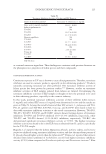
Table VIII
Predicted Responses for 32 Factorial Design
Analysis Predicted
mean
95% CI low
for mean
95% CI high
for mean
95% TI low
for mean
95% TI high
for mean
Viscosity (cp) 2,667.110 2,765.942 2,968.251 2,178.032 2,556.183
Spreadability (gm.cm./sec) 7.925 7.081 7.949 5.557 10.473
OPTIMIZATION OF LIQUID FOUNDATION USING MAGNESIUM MYRISTATE
The 32 factorial design for the two ingredients magnesium myristate (X1) and Liquid
paraffin (X2) which were adjusted at three different levels (coded as -1, 0, and 1), projected
a total of nine trial runs. The response parameters of viscosity (Y1) and spreadability (Y2)
were investigated in this work (Table VII and Table VIII). The residual equations in terms
of coded factors for two dependent variables are shown below.
For dependent variable 1 (viscosity):
Viscosity 2,867.11 A B =+-255.93 39.33 × ×
For dependent variable 2 (spreadability):
Spreadability A B =-+7 52 0.9076 0.2017 .× ×
Figure 3. 3D surface plot showed the effects of concentration of stearic acid, propylene glycol monostearate
and dimethicone on (A) viscosity and (B) spreadability.
Table VII
Predicted Responses for 23 Factorial Design
Analysis Predicted
mean
95% CI low
for mean
95% CI high
for mean
95% TI low
for 99% pop
95% TI high
for 99% pop
Viscosity (cp) 2,754.123 2,714.512 2,793.423 2,489.312 3,018.641
Spreadability (gm.cm./sec) 6.683 6.514 6.461 5.489 7.878
Table VIII
Predicted Responses for 32 Factorial Design
Analysis Predicted
mean
95% CI low
for mean
95% CI high
for mean
95% TI low
for mean
95% TI high
for mean
Viscosity (cp) 2,667.110 2,765.942 2,968.251 2,178.032 2,556.183
Spreadability (gm.cm./sec) 7.925 7.081 7.949 5.557 10.473