224 JOURNAL OF COSMETIC SCIENCE
extracts were found to have in vitro SPF values of above 29 at a concentration of 1 mg/mL,
indicating that they could have moderate to high potential as a sunscreen ingredient.
Lohezic-Le Dévéhat et al.54 conducted studies on various lichen species, including C. islandica,
U. hirta, and L. pustulata, and their natural UV protective activities associated with
molecules such as lobaric acid, atranorin, usnic acid, and gyrophoric acid. Hur et al. reported
the natural UV protective activity of an ELF type compound, (3R)-5-hydroxymellein,
isolated from the P. austrosinense lichen.40 In a similar study, Zhao et al. isolated a partially
purified secondary metabolite, 7-hydroxy-2-octenoic acid ethyl ester (7E), from Menegazzia
terebrata lichen, coded ELF000548.55 They reported that the 7E metabolite has high in
vitro antioxidant content and inhibits melanin synthesis, thereby preventing damage caused
by UVB radiation. As a result, they reported that it has potential as a UV protectant for
future studies. While the photoprotective activities of certain lichen species are known,
studies on the UV protective activities of ELF compounds isolated from lichens are limited.
Studies have suggested a positive correlation between SPF and phenolic content, but no
similar relationship was observed between antioxidant and flavonoid content.56
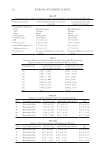
Similar to the literature, the SPF activities of ELF species with high phenolic content were
also found to be high in our results. Especially, the phenolic content of T20-B02 strain
isolated from B.capillaris was found to be 128.87 and its SPF value was 29.56, while the
T20-P26 strain had a similar phenolic content of 129.37 and an SPF value of 30.46. In
addition, antioxidant activities of these two species were also observed to be high. However,
although the SPF value of T20-P27 was 29.36, its phenolic and antioxidant content were
demonstrated to be low. The SPF values of T22-P07 and T22-B07 ELF extracts isolated
from Usnea sp. were measured as 32.01 and 30.55, respectively, and their phenolic contents
were close to the isolated lichen species.
Our study has demonstrated that lichen species and their ELF extracts may possess natural
UV protective properties, which can potentially be utilized in the development of cosmetic
products. Specifically, the T20-B02 and T20-P26 ELF extracts exhibited a strong positive
correlation between their SPF values and total phenol content, suggesting their potential
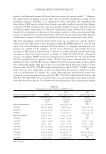
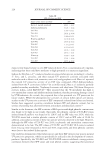
Table III
SPF of Lichen and ELF
Name of the lichen and ELF SPF
Rutin (1 mg/mL standard) 32.11 ± 0.07
Lobaria pulmonaria 31.45 ± 0.04
T04-P01 6.54 ± 0.01
T04-P03 29.91 ± 0.04
T04-P13 9.44 ± 0.01
Bryoria capillaris 31.78 ± 0.03
T20-B02 29.56 ± 0.02
T20-P07 7.17 ± 0.04
T20-P10 8.41 ± 0.02
T20-P26 30.46 ± 0.08
T20-P27 29.36 ± 0.01
Usnea sp. 31.80 ± 0.05
T22-P07 32.01 ± 0.04
T22-B07 30.55 ± 0.02
extracts were found to have in vitro SPF values of above 29 at a concentration of 1 mg/mL,
indicating that they could have moderate to high potential as a sunscreen ingredient.
Lohezic-Le Dévéhat et al.54 conducted studies on various lichen species, including C. islandica,
U. hirta, and L. pustulata, and their natural UV protective activities associated with
molecules such as lobaric acid, atranorin, usnic acid, and gyrophoric acid. Hur et al. reported
the natural UV protective activity of an ELF type compound, (3R)-5-hydroxymellein,
isolated from the P. austrosinense lichen.40 In a similar study, Zhao et al. isolated a partially
purified secondary metabolite, 7-hydroxy-2-octenoic acid ethyl ester (7E), from Menegazzia
terebrata lichen, coded ELF000548.55 They reported that the 7E metabolite has high in
vitro antioxidant content and inhibits melanin synthesis, thereby preventing damage caused
by UVB radiation. As a result, they reported that it has potential as a UV protectant for
future studies. While the photoprotective activities of certain lichen species are known,
studies on the UV protective activities of ELF compounds isolated from lichens are limited.
Studies have suggested a positive correlation between SPF and phenolic content, but no
similar relationship was observed between antioxidant and flavonoid content.56
Similar to the literature, the SPF activities of ELF species with high phenolic content were
also found to be high in our results. Especially, the phenolic content of T20-B02 strain
isolated from B.capillaris was found to be 128.87 and its SPF value was 29.56, while the
T20-P26 strain had a similar phenolic content of 129.37 and an SPF value of 30.46. In
addition, antioxidant activities of these two species were also observed to be high. However,
although the SPF value of T20-P27 was 29.36, its phenolic and antioxidant content were
demonstrated to be low. The SPF values of T22-P07 and T22-B07 ELF extracts isolated
from Usnea sp. were measured as 32.01 and 30.55, respectively, and their phenolic contents
were close to the isolated lichen species.
Our study has demonstrated that lichen species and their ELF extracts may possess natural
UV protective properties, which can potentially be utilized in the development of cosmetic
products. Specifically, the T20-B02 and T20-P26 ELF extracts exhibited a strong positive
correlation between their SPF values and total phenol content, suggesting their potential
Table III
SPF of Lichen and ELF
Name of the lichen and ELF SPF
Rutin (1 mg/mL standard) 32.11 ± 0.07
Lobaria pulmonaria 31.45 ± 0.04
T04-P01 6.54 ± 0.01
T04-P03 29.91 ± 0.04
T04-P13 9.44 ± 0.01
Bryoria capillaris 31.78 ± 0.03
T20-B02 29.56 ± 0.02
T20-P07 7.17 ± 0.04
T20-P10 8.41 ± 0.02
T20-P26 30.46 ± 0.08
T20-P27 29.36 ± 0.01
Usnea sp. 31.80 ± 0.05
T22-P07 32.01 ± 0.04
T22-B07 30.55 ± 0.02