237 IMPROVEMENT OF MELASMA WITH GLABRIDIN
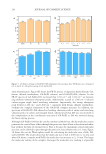
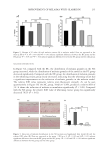
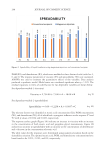
group and the control group on day 28 (P 0.01). The L* value (Figure 4C) of both the
experiment group and the control group increased significantly on day 56 (P 0.01), but
there was no significant difference between them. The area proportion of melanin (Figure
4D) in the experiment group was significantly decreased on the day 14, 28 (P 0.01), and
56 (P 0.05), and there was a significant difference between the experiment group and the
control group on day 14 and day 28. The content of melanin (Figure 4E) of the experiment
group and the control group decreased significantly on days 14, 28, and 56 (P 0.01), but
there is no significant difference between the two groups. These results suggested that the
whitening essence containing glabridin is effective in the treatment of melasma.
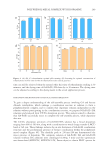
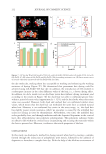
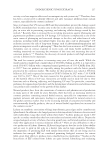
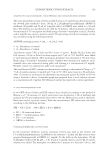
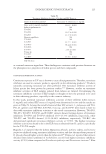
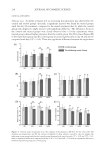
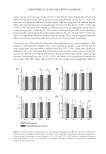
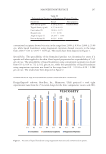
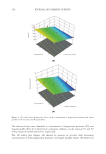
Nonmelasma area. The clinical evaluation of the nonmelasma area is seen in Figure 5. The
changes of skin glossiness (Figure 5A) in the experiment group on day 28 and day 56
were significantly increased when compared with day 0 (P 0.01). There were significant
differences (P 0.01) between the experiment group and the control group on day 28
and day 56. The L* value (Figure 5B) of both the experiment group and the control group
increased significantly on day 56 (P 0.01), but there is no significance between the
two groups. The ITA values (Figure 5C) of the two groups were significantly different
Figure 5. Clinical study of nonmelasma areas. The changes of (A) glossiness, (B) The value of L*, (C) ITA, and
(D) the content of melanin of these subjects treated by test sample (the whitening serum group) and placebo
(control group) along with the varied periods. *P 0.05 and **P 0.01 indicate significant differences
compared with day 0. #P 0.05 and ##P 0.01 indicate significant differences between the experiment
group and the control group.
group and the control group on day 28 (P 0.01). The L* value (Figure 4C) of both the
experiment group and the control group increased significantly on day 56 (P 0.01), but
there was no significant difference between them. The area proportion of melanin (Figure
4D) in the experiment group was significantly decreased on the day 14, 28 (P 0.01), and
56 (P 0.05), and there was a significant difference between the experiment group and the
control group on day 14 and day 28. The content of melanin (Figure 4E) of the experiment
group and the control group decreased significantly on days 14, 28, and 56 (P 0.01), but
there is no significant difference between the two groups. These results suggested that the
whitening essence containing glabridin is effective in the treatment of melasma.
Nonmelasma area. The clinical evaluation of the nonmelasma area is seen in Figure 5. The
changes of skin glossiness (Figure 5A) in the experiment group on day 28 and day 56
were significantly increased when compared with day 0 (P 0.01). There were significant
differences (P 0.01) between the experiment group and the control group on day 28
and day 56. The L* value (Figure 5B) of both the experiment group and the control group
increased significantly on day 56 (P 0.01), but there is no significance between the
two groups. The ITA values (Figure 5C) of the two groups were significantly different
Figure 5. Clinical study of nonmelasma areas. The changes of (A) glossiness, (B) The value of L*, (C) ITA, and
(D) the content of melanin of these subjects treated by test sample (the whitening serum group) and placebo
(control group) along with the varied periods. *P 0.05 and **P 0.01 indicate significant differences
compared with day 0. #P 0.05 and ##P 0.01 indicate significant differences between the experiment
group and the control group.