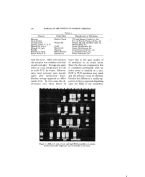
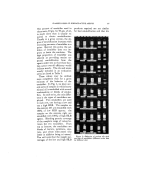
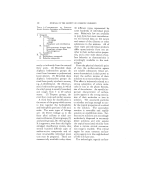
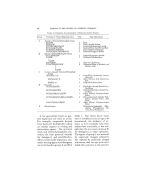
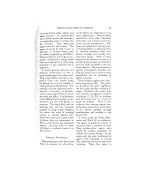
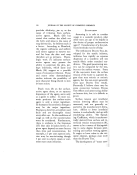
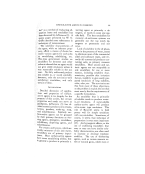
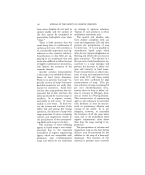
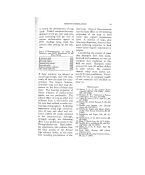
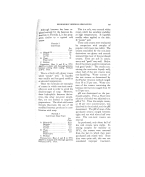
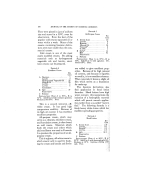
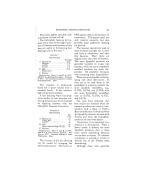
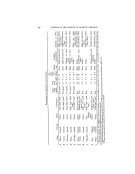
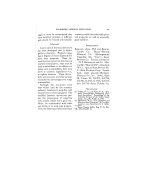
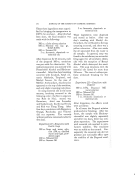
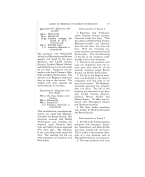
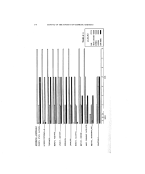
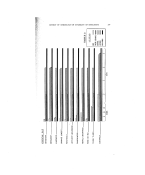
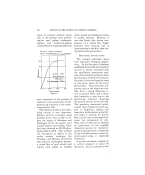
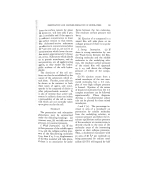
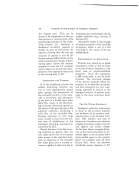
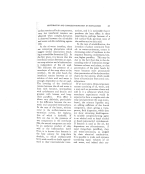
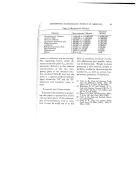
HYDROPHILIC BEESWAX DERIVATIVES 365 This lotion applies smoothly with a minimum of water roll off. The hydrophilic beeswax &riva- :: tires retain some of the slight tacki- heSS of beeswax and because of this they are useful in formulating hair dressings such as Formula 7. '•:' Formula 7 Hair Dressing : Per Cent ß • A Mineral Oil ................ 20.0 Beeswax ................... 5.0 ::: G-1706 .................... 2.5 G-1725 .................... 2.5 B H,•O ....................... 70.0 Preservative C Perfume PV.•}'AV. Aq:•ON: Heat A and B to 70øC. ß Add B to A, agitating thoroughly. Perfume at $0øC. Stir until the preparation reaches room temperature. l•our. This ennulsion is moderately heavy but it pours readily from a standard bottle. It has excellent high temperature stability. A hair dressing which has prop- erties similar to hair dressing con- taining beeswax may be formulated by replacing beeswax with the hydrophilic beeswax derivatives. Formula 8 Hair Dressing Per Cent A Mineral oil ................... 20 Tween 40* ................... 3 G-1727 ...................... 12 B H20 ......................... 33 Quince seed mucilage (21/,%).. 32 C Perfume P•Eva•ar•o•r: Heat A and B to 70øC. Add B to A with constant agitation. Per- fume at 50øC. Continue stirring to room temperature. Pour. The viscosity of this hair dressing can be v.aried by changing the quince seed content. This lotion, at 0.8% quince seed, is fairly heavy in consistency. The quince seed not only controls viscosity, but also provides some additional dressing for the hair. The beeswax derivatives used in these formulas are light tan in color and have a consistency and odor like beeswax. Their titers are slightly lower than that of beeswax. The more lipophilic products are generally insoluble in water, like beeswax, while the more completely modified products are water dis- persible. Oil solubility decreases with increasing water dispersibility. There are several guides to formu- lating with these derivatives. If they are to be used alone as the emulsifiers, it is best to combine the more lipophilic emulsifiers, e.g., G-1702, G-1704, and G-1706, with the more hydrophilic emulsifiers such as G-1725, G-1726, G-1727, and G-1734. Our tests have indicated that best results are obtained when the beeswax products are used in com- bination with a Span or Tween. Best emulsification is obtained when the lipophilic products are used with Tweens and when the hydrophilic products are used with Spans. Consistency is an important con- sideration in formulation. When a heavy cream is desired, the more lipophilic products, that is those more nearly resembling beeswax, are the best to choose. If a thinner consistency is wanted, it is best to include one of the Tweens when formulating. Although these rules generally

366 JOURNAL OF THE SOCIETY OF COSMETIC CHEMISTS u 0 0 •u rO 0
Purchased for the exclusive use of nofirst nolast (unknown)
From: SCC Media Library & Resource Center (library.scconline.org)