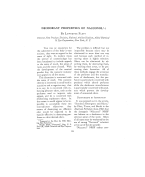
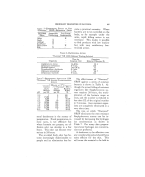
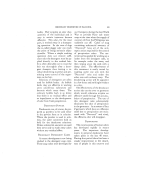
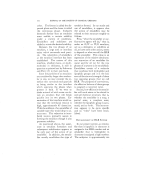
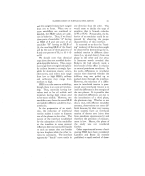
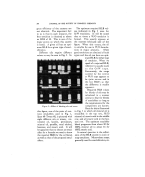
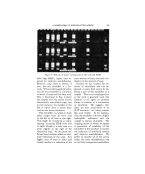
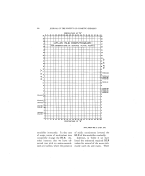
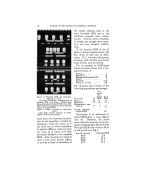
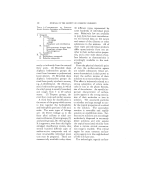
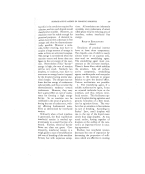
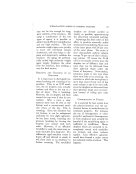
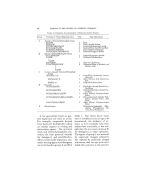
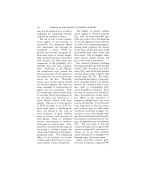
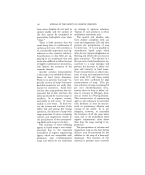
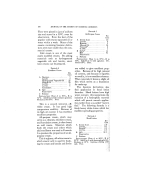
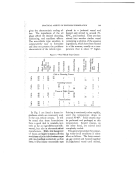
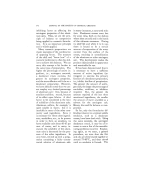
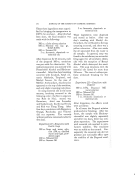
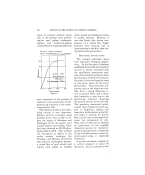
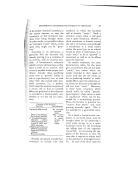
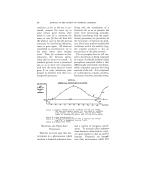
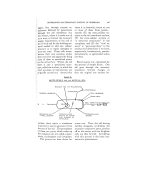
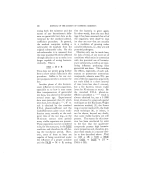
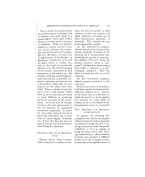
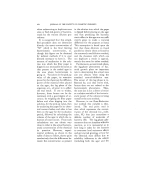
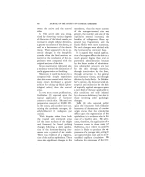
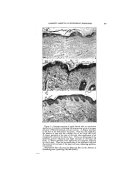
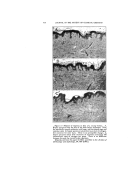
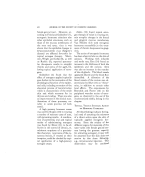
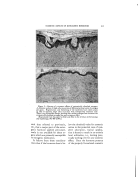
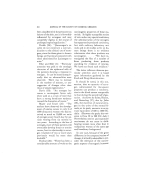
?'digest, first through enzyme at- ?tachment followed by penetration •!:i:,.i: through the cell membrane into i:: • the interior, where it is made use of, as in man, to furnish the necessary i f'energy requirements of the cell to !'i•':: do its work and for the building ma- ?:.'1111 terial needed to add new cellular i': i: structure or to repair damaged or ji: worn-out ones. These cells manu- ?facture their own enzymes within i',t?• their structure and apparently bring :i!i'•'some of them to specialized points ß ?on the cell surface. Within the cell 7!i.lthere is also a specialized struc- ?•!!.: ture, called the nucleus, in which the i::.vital processes of reproduction are .:.i.øriginally carried out. Around this ß C n A .'r 3. :. DETERMINING BACTERIOSTATIC POTENCY OF CHEMICALS 397 cause it is, basically, action at one or more of these three points-- namely (X) the extra-cellular en- zyme at the cell membrane surface, (Y) the intra-cellular enzyme or "a semivital constituent" in the cytoplasm, and (Z) the "vital es- sence" or "gene-equivalent" in the nucleus that determines if we have, respectively, bacteriostatic, pseudo- bacteriostatic, or germicidal action involved. Bacteria grow (i.e., reproduce) by the process of simple fission. One cell goes through the necessary systematic internal changes so that the original one nucleus be- BACTERIOSTASIS •NO TwE BACTERIAL CELL M NUCLEUS AND ITS •'4UCLEOPLASM •VITAL CENTERi• ENZYME OR ESSEN- ENZYME TIAL ELEMENT OF CYTOPLA•M nucleus there exists a membrane to protect it and to separate it from the rest of the cell. The protoplasm of these two parts, which make up the complete cell, are called, respec- tively, nucleoplasm and cytoplasm. This picture has been drawn be- comes two. Then, the cell having swelled, elongates, synthesizes the necessary component parts, pinches off at the center, and two daughter cells are thus formed. Interfering with this process is the basic bac- teriostatic phenomenon.

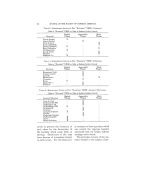
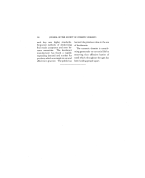
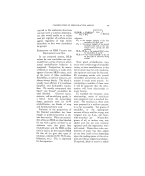
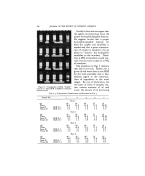
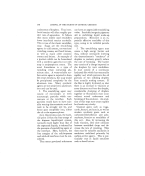
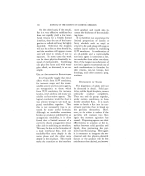
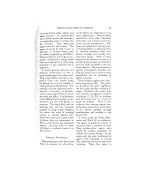
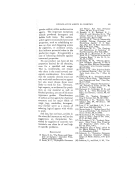
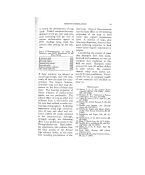
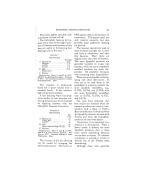
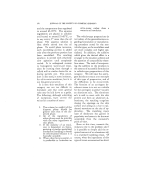
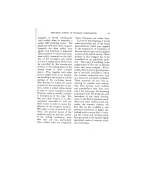
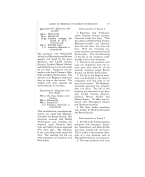
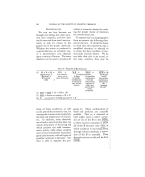
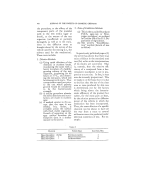
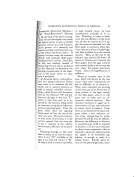
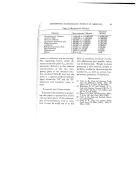
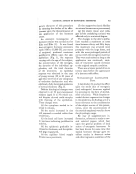
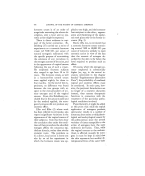
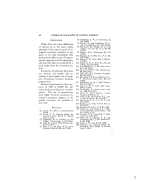
398 JOURNAL OF THE SOCIETY' OF COSMETIC CHEMISTS BACTERIOSTASlS We now see how bacteria are brought into being, how they main- tain their existence, and how they can be removed from man's environ- ment, at will, by means of the proper use of the proper chemicals. Whether the action so produced is a germicidal one, an antiseptic one, or a bacteriostatic one, depends upon a variety of factors. The same chemical can be used to produce all cedure or situation desired by mak- ing the proper choice of chemical, its concentration, etc. To express this in a simple graphic form we present the following theo- retical reaction. It should be borne in mind that this represents onl 7 a simplified situation, so selected as to make the basic problem of bac- teriostatic activity clearer. We do not infer that this is an actual, or the only, reaction, that may be Chart 4.--Equation of Bacteriostasis (i) Mq- Bq- © = (Medication) + (Bacteria) q- (Protected cells) = M.B q- M.B + IM.BI + True bacterio- ' Pseudobacteriostasis stasis, as in A loose A re•rersible spore formation reversible combination combination with the of chemical intracellular and surface enzyme, or enzyme other com- ponent part of the cytoplasm (2) M.B + IM.B.I + 2A = 2M.A 2B (3) M.B q- dilution or washing = M q- B (4) B q- remo•ral of "binding material" O = B Germicidal action. Irreversible combination denaturing the "essential life-unit" three of these conditions, as well as the pseudobacteriostatic one, by varying the concentration employed, the time and temperature of contact, etc. In addition, some chemicals are of such a structure that they can attack those parts of the living cell which produce the mild bacterio- static action, while others combine more or less immediately to produce germicidal actions, with all types of possible variations in between. One thus is able to regulate the pro- going on. Many combinations of these end products are naturally possible. That is, a chemical as used might cause a direct conver- •::. sion of all of the B to the M-----•.B or there may be a situation in which all of the B becomes only M.B, in which condition it can bring about, through indirect methods, a starva- tion of the B so attacked. Thus, ß the end reaction would still be all as . "
Purchased for the exclusive use of nofirst nolast (unknown)
From: SCC Media Library & Resource Center (library.scconline.org)