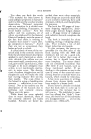
EVALUATION AND TESTING OF NAIL LACQUERS 33I tribution to the human skin test is as conclusive as the actual use method. Finally, it must be re- of a material by large numbers of membered that no testing method people. EVALUATION AND TESTING OF NAIL LACQUERS* HENP, Y J. WING, PH.D. Northam l/Farren Corp., Stamford, Conn. As You ALL know, nail pol- ishes are nitrocellulose lacquers. The testing of nail polishes may be covered quite simply by stating that these lacquers should be sub- jected to the same tests as those applied to any lacquer of this type. However, this leaves the newcomer in this field quite at loss for the usual tests for lacquer are probably unknown. Before proper testing can be done on any product it is necessary to first determine the characteristics of a material which gives customer satisfaction. In a nail polish, color is probably one of the most im- portant properties. We also find that ease of application, rate of drying, wear resistance are all part of the customer reaction to any polish. Fortunately the chemist does not choose the color which is to be sold. This selection. is usually made by the-promotion department. The formulator simply makes up colors which he hopes will meet the re- quirements of those who make the * Presented at the May 18, 1951, Meeting, New York City. final selection. However, once this selection is made it is then the job of the production and control de- partments to see that every batch of this shade matches the standard selected. This standard needs to be estab- lished first. It is often done by using pour cards made by pouring a coating of the colored lacquer on white Bristol board followed, after drying, by another coat which leaves some of the first coat un- covered. This standard is pre- pared from a laboratory sample of the polish which has been approved for color. Experience has shown that the dry pour cards kept away from the light when not in use undergo practically no color change. However a liquid sample of the same polish will change color quite rapidly and will lose its value as a standard. Having established the standard it is necessary to compare the batch with this. Another pour card on similar stock is prepared using liquid from the batch. After drying this is compared with the original standard pour card and of

EVALUATION AND TESTING OF NAIL LACQUERS 33I tribution to the human skin test is as conclusive as the actual use method. Finally, it must be re- of a material by large numbers of membered that no testing method people. EVALUATION AND TESTING OF NAIL LACQUERS* HENP, Y J. WING, PH.D. Northam l/Farren Corp., Stamford, Conn. As You ALL know, nail pol- ishes are nitrocellulose lacquers. The testing of nail polishes may be covered quite simply by stating that these lacquers should be sub- jected to the same tests as those applied to any lacquer of this type. However, this leaves the newcomer in this field quite at loss for the usual tests for lacquer are probably unknown. Before proper testing can be done on any product it is necessary to first determine the characteristics of a material which gives customer satisfaction. In a nail polish, color is probably one of the most im- portant properties. We also find that ease of application, rate of drying, wear resistance are all part of the customer reaction to any polish. Fortunately the chemist does not choose the color which is to be sold. This selection. is usually made by the-promotion department. The formulator simply makes up colors which he hopes will meet the re- quirements of those who make the * Presented at the May 18, 1951, Meeting, New York City. final selection. However, once this selection is made it is then the job of the production and control de- partments to see that every batch of this shade matches the standard selected. This standard needs to be estab- lished first. It is often done by using pour cards made by pouring a coating of the colored lacquer on white Bristol board followed, after drying, by another coat which leaves some of the first coat un- covered. This standard is pre- pared from a laboratory sample of the polish which has been approved for color. Experience has shown that the dry pour cards kept away from the light when not in use undergo practically no color change. However a liquid sample of the same polish will change color quite rapidly and will lose its value as a standard. Having established the standard it is necessary to compare the batch with this. Another pour card on similar stock is prepared using liquid from the batch. After drying this is compared with the original standard pour card and of
Purchased for the exclusive use of nofirst nolast (unknown)
From: SCC Media Library & Resource Center (library.scconline.org)