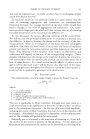
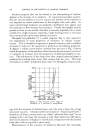
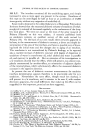
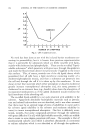
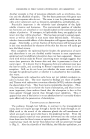
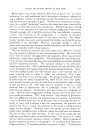
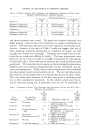
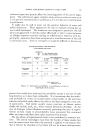
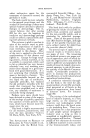
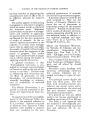
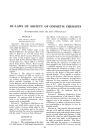
208 JOURNAL OF THE SOCIETY OF COSMETIC CHEMISTS TABLE 1--PATCH AND USE TEST (LOTIONS AND OINTMENTS PP, OPHETIC PATCH TEST-- HUWA•'S) (200 INmVmUAI•S) (ScI•WARTZ-PECK) -Percentage Response- •---Initial .... --Challenge Lotions --• A B C A B C Erythema • induration 0 2 4 (2 week interim) 1 0 2 Erythema g induration 25 46 31 (2 week interim) 8 17 23 Ointments -,- X Y Z X Y Z Erythema • induration 2 11 3 (2 week interim) 1 12 0 Erythema õ induration 16 20 6 (2 week interim) 13 19 10 and three ointments were tested. The patch test response indicated very slight primary irritation from the lotions but no suspect sensitization re- actions. The ointments also gave very little indication of potential sensi- tization. Analysis of the data of Table 1 would not suggest that any of these materials would be detrimental in conditions of proper use, but actually one of them was not benign. The patch test simply had not mim- icked the use conditions sufficiently closely. The same preparations were given the use test that we would so strongly recommend, by other groups of individuals for a three week period between the initial and final closed patch tests. The materials were cosmetic and dermatological preparations therefore, the use conditions demanded both normal individuals and pa- tients with dermatoses. Table 2 shows what incorporation of use conditions into the prophetic patch test procedure can do. The test individuals actu- ally used the various preparations in recommended manner for three weeks. Then two weeks after cessation of use they were given a challenge patch test to elicit sensitization potentials. In the columns which show the re- actions observed during use, of particular note are the 19 individuals of TAm, E 2--PROPHErrIc PATCH TEST (LOTIONS Am) OINTUENTS PATCH ANr• UsE TEST-- HUMANS) (Tl•Atr B-SPOOlS) % % Positive Positive --Ini- Chal- Test No. and Type tial lenge Material Individual Patch Reactions, 3 week use Patch Lotion A 74 normals 1.5 lJotion B 76 normals 3.0 Lotion C 81 clinical dermato- 15 logic Ointment X 50 normals 2.0 14 known reactors to X 7.0 Ointment Y 100 acne 10 Ointment Z 71 seborrhea and acne 1.4 1--vesicular irritation 1--mild 0 erythema hands, arms 2--erythema and dryness hands 0 and wrists 1--erythema and pruritis 2--vesic- 12.0 ular reaction 3--infections secondary to occlusion 2--axillary adenopathy 0 4--axillary adenopathy 14.0 3--irritation of axillae 3--irritation and aggravation of 12.0 condition 19--flare up of lesions 12.5

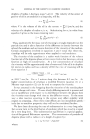
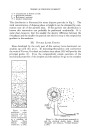
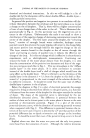
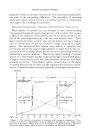
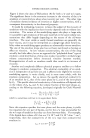
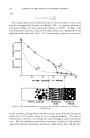
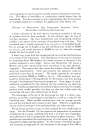
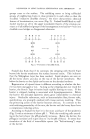
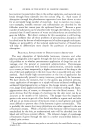
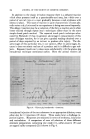
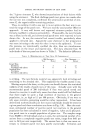
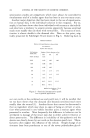
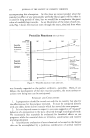
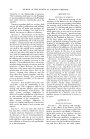
ANIMAL AND HUMAN TESTING IN SKIN CARE 209 the 71 given ointment Z, who showed exacerbations of their lesions while using the ointment. The final challenge patch test, given two weeks after the use test was completed, confirmed the sensitization potential of oint- ment Z, the organic-sulfur-containing product. Thus, to combine it with a use test is in our opinion the best way to ex- tend the range of the patch test. We have recently used another effective approach. A very well known and respected ointment product had its formula modified to enhance permeability. Presumably, the new formula was as bland as the old, and conventional patch tests were reported to have shown this. In use, the material had caused trouble, particularly when applied to irritated skin. Apparently some chemical in the preparation was more irritating to the true skin than it was to the epidermis. To test this premise, we intentionally scarified the skin, then ran simultaneous patch tests on the intact and injured skin. The data obtained from 50 individuals of the test panel are shown in Table 3. The behavior difference TABLE 3--MODIFICATION OF TEST SITE (50 INDIVIDUALS) ---Old Ointment• ,----New Ointment--• Test Retest Test Retest Intact Skin: Erythema 0 5 5 12 Erythema and edema 0 0 0 0 Scarified Skin: Erythema 1 1 26 16 Erythema and edema 0 1 17 26 is striking. The new formula material was apparently both irritating and sensitizing to the abraded skin. This explained the trouble caused in use. Having acquired the data, at this point we should discuss the statistical validity of the results of patch tests of this type. Actually even with the recommended panel of 200 individuals if they were patch tested and showed no reaction it would only mean that there would still be likelihood that there might be quite a high incidence of reactions in the general population, i.e., as high as 1.5 per 100 persons. Obviously, if one were to rely upon statistics, pretesting would be rather impractical. It has been determined mathematically just how many individuals should be tested in a given panel and these conclusions are shown in Fig. 5 (8). Here the maxi- mum anticipated number of positive patch test reactions in the general population has been calculated in terms of negative, 1 plus and 2 plus posi- tive patch tests in a sample population of given size. The samples range from 30,000 to 10 individuals and as is seen, the anticipated number of re- actions from a completely negative patch test series, range from 0.01 per cent to 26.9 per cent respectively. The answer here is that one never at- tempts to interpret patch test data purely statistically. Irritation and
Purchased for the exclusive use of nofirst nolast (unknown)
From: SCC Media Library & Resource Center (library.scconline.org)