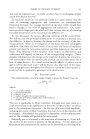
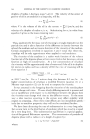
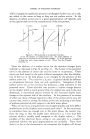
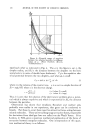
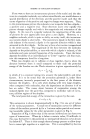
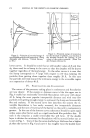
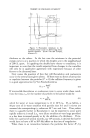
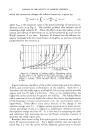
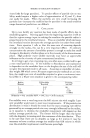
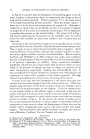
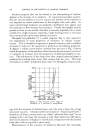
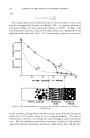
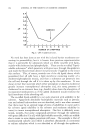
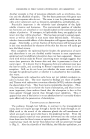
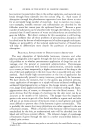
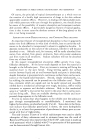
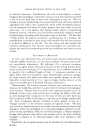
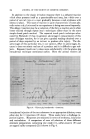
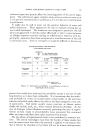
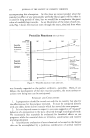
210 JOURNAL OF THE SOCIETY OF COSMETIC CHEMISTS sensitization studies are comparisons which must always be controlled by simultaneous trial of a similar agent that has been in use over many years. Another major objection that has been raised to the use of experimenta- tion on human skin, is the individual variation in skin response. For ex- ample, it has been shown that those individuals with eczema or the individ- uals who have a tendency to acquire eczema apparently become sensitized much more readily than do those with normal skin. The instance of sensi- tization is almost double in the diseased skin. Data on this point, orig- inally presented by Sulzberger (9) are shown in Fig. 6. Referring back to Statistical Calculatlon• Maximum Anticipated Reactions in General Public from analysis of Prophetic Patch Test Data Test Population (sample size) 30,000 Individuals 10,000 5,000 1,000 200 100 50 20 l0 Number of Positive Reacti? ? •_n Test None One Two_ 0.01% , o.o3% o .06% o.3o% 1.5% •.o % 5.a % 13.9 % 26.9 % o.o54 o .o•o o.45% 2.2 % 4.4 o• 8.8 % 20.6 • I 0.06% , i 2.9 % 5.s % 27.0 Modified from Henderson, C,R, and Riley, E. C. Figure 5.---Statistical interpretation patch test to general population. our own work on the combined use and patch test, it will be recalled that we too have shown that the diseased skin becomes sensitized much more readily than the normal (1). Another factor that cannot be discounted is that an ingredient which may show no signs of being an irritant or sensi- tizer when presented in one vehicle becomes quite a noxious agent when presented in another. Most frequently this difference in behavior can be attributed to damage of the intact skin due to either solvent irritation or direct penetration. The difference in irritability of the epidermis and the dermis was clearly shown by our work on the abrasion patch test. Manu- facturers often neglect this influence of the vehicle. Simple change of an ointment base from petrotatum to one of the newer polyethylene glycol-

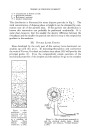
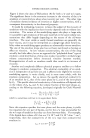
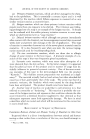
ANIMAL AND HUMAN TESTING IN SKIN CARE 211 carbowax types may greatly affect the irritating power of the active ingre- dient. The well-known agent, salicylic acid, can be as active or more so at 1 or 2 per cent concentration in carbowax as it is in 6 per cent concentration in petrolatum. It might also be well to point out the peculiar behavior of some nail polish undercoats. These appeared to be safe on ordinary testing but on use trouble developed. The undercoat was designed to penetrate the nail plate and apparently it did this rather effectively so that in some instances an allergic response occurred causing an inflammatory response with hy- pertrophy, separation from base and partial to total destruction of the nail in advanced cases. Even in retrospect it would be difficult to devise any Increased Susceptibility to Skin Sensitization o f the Individual with Eczema Sensitizers (A) P - Nitro dimethyl enaline (B) 2.4 dinitro chloro benzene L•ermatologlcal Number of ___ Induced Sensitization Status Cases To either To both To neithe: AorB A&B AorB Eczema Patients 36 91.6% 50.0% 8.3% Non- Eczema 46 53.7% 12.2% 46.3% Patients .__ _ All Subjects 82 61. % 25.6% 39.0% ._ ___ Data modified from Sulzberger, M.B. Figure &--Increased susceptibility to sensitization of skin of individuals with eczema. pretest that would have indicated this possibility except a use test of such long duration as to have been unfeasible. It is interesting that the under- coat probably by virtue of its penetration acted locally on the nail base whereas nail polish rarely affects the nails or nail base except for a rare case of paronychia. Nail polish usually causes reactions at distant points chiefly the eyelids, neck, etc., where contact dermatitis develops. In the case of shampoo where blindness occurred, pretesting the eyes of experi- mental animals would in all probability have uncovered this untoward effect and steps could have been taken to prevent the disaster. The last phase of experimental study to be considered is systemic tox- icity. The animal toxicologist must bear the burden of these studies but even he cannot state that when the material is applied to the human skin that it will not be absorbed or that there will not be human idiosyncrasies
Purchased for the exclusive use of nofirst nolast (unknown)
From: SCC Media Library & Resource Center (library.scconline.org)