20 JOURNAL OF THE SOCIETY OF COSMETIC CHEMISTS has been shaded with small amounts of another dye. Is this procedure necessary and are any precautions taken to ensure that the shading dyestuff shall behave in the same way as the material so laboriously tested ? THE LECTURER: Almost all manufactured dyestuffs are standardised for textile use and small amounts of other colours than the self colour are introduced for this reason. The colour manufacturer will use a shading dyestuff, which is satisfactory from the viewpoint of the dyeing properties. It will be appreciated, therefore, that in a cosmetic preparation the shading dyestuff may behave quite differently from the self colour. Initial tests with the manufacturer's accepted standard will help to overcome this source of trouble and the manufacturer is often willing to co-operate with the continued supply of accepted standard material if advised of the importance of the matter. Alternatively, the user must accept a greater degree of toler- ance and abide by the dyestuff manufacturers' standard rather than his own. TIlE DEVELOPING MARKET IN MEN'S COSMETICS IN THE UNITED STATES OF AMERICA J. R. L. MARTIN, Ing. Chim.* A lecture delivered before the Socie•J on 25th April 1958. The growth in the sales o• men's cosmetics is summarized and produc• types are detailed. WHE• I was asked last year to give a lecture before your Society, I chose my topic because this part of the market has changed so dramatically in the short span of a few years that its meteoric rise has caught even the greatest optimists by surprise. I thought that it might interest you to get a glimpse of what has happened to men's cosmetics in the U.S.A., what it means to us and what it may come to mean to you too. The subject is one of actual interest. This year, it has been chosen as the theme for the Charles Welch Memorial Award Essay Competition, sponsored by the Toilet Goods Association. The theme will be "Men's Toiletries, their use and motivation of purchase by both men and women". For the benefit of those who do not know I wish to explain that Charles Welch was the Executive Secretary of the T.G.A. at the time of his death in 1942. In 1956, the T.G.A. decided to institute a Charles Welch Memorial Award to be * Consultant to Schimmel & Go., Inc., New York, U.S.A.

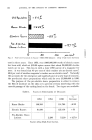
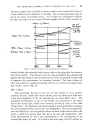
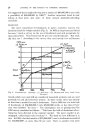
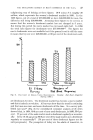
THE DEVELOPING MARKET IN MEN'S COSMETICS IN THE U.S.A. 21 competed for by students of business administration schools on the post- graduate level. The winners of this year's award will be announced at the next T.G.A. convention on 22nd May and their essays will be published later. It is possible that these essays will contain additional information, but I think that I can give you a fair picture of the present trends with the data in my possession. The men's market in cosmetics in the U.S.A., which did not even enter the picture before World War II, has grown to such an extent that it now represents approximately 20-25 per cent of the total sales of cosmetics throughout the whole country. Since the war it has tripled. Since 1051 it has more than doubled. • In 1057 it is estimated to have reached more than 300 million dollars, which is over oe100 million, in a total market for cosmetics of over one billion four hundred and thirty million dollars, or oe500,000,000. • In 1055, Marton a stated that "the average American male uses more perfume items than the women. The men's market is almost as big as the women's fragrance preparations market, which includes perfumes, toilet water, cologne, bath soap and bubble bath". I am sure that most of us did not realize at that time the important position which the men's market had already taken in the general picture of cosmetic sales. It is the general consensus of opinion that the present interest of men in cosmetics started during World War II. Before the war, American men were indifferent, afraid or contemptuous of using cosmetics or products with a pleasant odor. It was considered sissyfled, feminine, almost question- able to splash on a masculine body something that smelled good. But during the war two factors were responsible for a change of attitude. First, all the men in the army were obliged to shave daily or at least often enough to stay well groomed and presentable. Second, due to war restrictions in raw materials for hard goods, the perfume and cosmetic industry enjoyed an unprecedented boom in distribution because it used products practically unrestricted. The result was that these same soldiers received in abundance gifts of shaving lotions, hair lotions, talcum powder and thus they started using them. Possibly at times the G.I. who smelled fresh stole the fair lady from the G.I. who did not, so he kept on using his cosmetics and liked it. Evidently some effective propaganda of that kind for the use of cosmetics by soldiers spread by word of mouth and the habit of good grooming had started to take hold. But although men had started to like and use cosmetics in the Army they were still a long way from entering a store to buy the cosmetics which they liked when they came back to civilian life. Here is an indicative example: B. Altman, which is a big department store in New York, opened a depart- ment of men's cosmetics right after the war because they had evidently sensed the coming trend. This is what they said in 1055 in an interview 4:
Purchased for the exclusive use of nofirst nolast (unknown)
From: SCC Media Library & Resource Center (library.scconline.org)