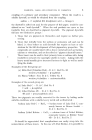
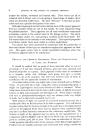
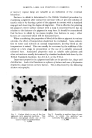
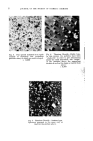
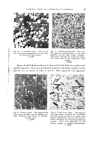
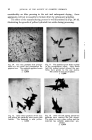
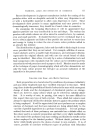
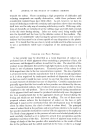
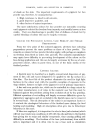
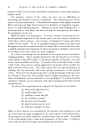
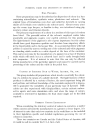
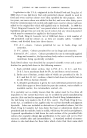
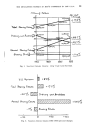
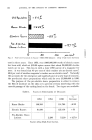
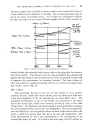
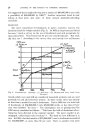
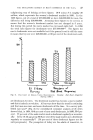
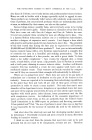
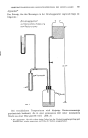
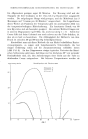
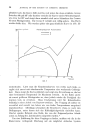
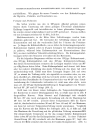
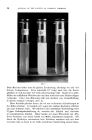
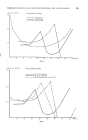
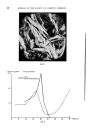
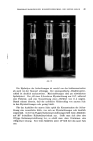
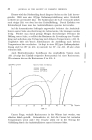
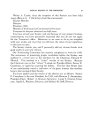
22 JOURNAL OF THE SOCIETY OF COSMETIC CHEMISTS "When we opened the men's bar (toiletties, not liquor), after World War II, 90 per cent of our customers were women. Now most buyers are men. They are getting over that self-conscious feeling". At that time, therefore, men used cosmetics for men but they were bought for them by women. Today, according to a survey made in 19575, women still buy one-third of men's toiletries but men buy the other two-thirds. This is indeed a revealing change and a very important one. When men themselves go into stores and buy their cosmetics they create their own market. This is how a mass market for men has developed. That is the reason why more and more firms have gone into "toiletries for men" and produce and fill packages labelled "for men", colognes for men, talcum for men, deodorants for men, etc., and with spectacular success. According to Plaut•: "Men's interest in good grooming has increased at an amazing pace since World War II. There have been phenomenal gains in the sales of cologne, after- shaving lotions and deodorants to men who would not have dreamt of using them previously". Figs. 1-6 indicate the changes which have occurred in this field since 1953. The results revealed by these graphs are even more significant when one considers that from 1953 to 1957 the U.S. population increased from 159,636,000 to 171,229,000, or 7.2 per cent. 6 Shaving Habits (Figs.'l and oe) It is immediately apparent that the aerosol shaving creams have taken over. Probably due to economic conditions, this presents an entirely different pattern from that prevailing in the United Kingdom. The high price at which the individual units are offered, due to the relevantly small production volume together with the high purchase tax, acts as a serious deterrent. You will note that in 1955 the aerosol shaving cream curve crossed that of the other shaving creams and now accounts for more than 50 per cent of the total sales of shaving cream. The latest figures from the Toilet Goods Association •' published on the 28th March 1958 indicate that 1957 shows an increase of 8• per cent in shaving preparations, due to the continued popularity of the more expensive aerosols. Taking all figures into account, the percentage increase in aerosol shaving creams since 1953 amounts to 138 per cent. In America we are in the push button age. As you know some toothpaste is now being packed in this manner and so are foods and pharmaceuticals. In fact practically everything in liquid, paste, or cream form that one can think of. Shaving stick sales are sinking and represent only 13 per cent of the total sales. The tremendous change of habits is seen in the electric razor field (Fig. $ and Table I). Whereas the sale of razor blades followed exactly the rate of population increase, the percentage of sales of electric razors jumped 53 per

THE DEVELOPING MARKET IN MEN'S COSMETICS IN THE U.S.A. 23 q- 17'•' ø o 22'7 Fig. 1. SHAV•NG CREAMS (Source: Drug Trade News Surveys). •ot•l ShQ.,,.,,3 C,-eo.•$ i - 50 0 +5"0 +100 Fig. 2. SHAVING CREAM SALES--1953--1956 (per cent change).
Purchased for the exclusive use of nofirst nolast (unknown)
From: SCC Media Library & Resource Center (library.scconline.org)