38 JOURNAL OF THE SOCIETY OF COSMETIC CHEMISTS skin frequent brushing, combing or more often scratching will remove these. The latter procedure, however, frequently damages the surface of the scalp and leads to associated skin infections. Microscopical examina- tion of dandruff scales often reveals the presence of flask-shaped micro- organisms. These were first recognized by Malassez •, and were incorrectly identified as bacteria further studies have established that this organism, Pityrosporum ovale, is a yeast-like fungus. There is a great deal of contentious opinion as to whether P. ovale is the causative organism of dandruff or whether it is merely a harmless saprophyte of human scurf. Sabouraud • held quite firmly that P. ovale was the cause of dandruff or pityriasis simplex of the scalp, whereas Darier 3 was of the opinion that the organism was in no way responsible for the disease it merely flourished on the fertile environment of the kerose. Macleod and Dowling 4 cultured an organism which they thought to be P. ovale, and believed to be the cause of dandruff of the scalp and seborrhoeic eczema of the skin. How- ever, it was later acknowledged by Dowling 5 that this organism was not P. ovale but M. pinoyi. Rocha et al. 6 examined 50 adult patients and were unable to show that P. ovale was pathogenic, and furthermore were unable to demonstrate any allergic reactions in 200 others when inoculated intra- cutaneously with an antigen prepared from this organism. Whirlock 7 has reviewed a great deal of the earlier work and in his own investigations found that there was no evidence that P. ovale was the cansative organism of dandruff he concluded that it was a harmless organism on the scalp, thriving in the medium provided by a heavy flow of sebum. On the other hand, Barber6 concluded that P. ovale was the canse of simple dandruff, and Reddish 9 held that P. ovale fulfilled all the requirements of Koch's postulates to prove it was an infectious organism, namely (a) it was present in every case of infectious dandruff, (b) it had been isolated from infectious dandruff and grown in pure ctdture, (c) when inoctdated in pure culture into rabbit skin or human scalp it caused infectious dandruff, and (d) it cotfid again be recovered in pure culture from these cases of experimental infectious dandruff. Recently, Hughes and Hamilton TM have shown that P. ovale is the cause of an allergy to human scurf and that the conditions of eczema, rhinorrhoea and asthma frequently found in association with dandruff are in fact caused by the development of a skin sensitivity to the presence of tiffs fungus. These allergic reactions can be caused not only by the fungus infected scales from the sufferer's own scalp but also by those from other contacts. These authors also drew attention to the extreme difficulty of treating P. ovale skin

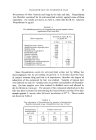
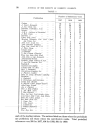
DEQUALINIUM SALTS AND PITYROSPOR UM 0 VALE sensitization because of the widespread contamination of clothing, bedding and upholstery with the fungus and its spores, which serve as a reservoir for re-infection of the individual or as a source of infection to others. Whether P. ovale is a specific infective agent causing dandruff, or whether it be a saprophyte causing allergic skin reactions, it is very certain that its continued presence on the human scalp is far from desirable. This present work was therefore initiated to determine the effects of Dequalinium salts on the growth of this fungus. It has been established that these quaternary ammonium compounds have potent anti-microbial activity against a wide spectrum of pathogenic fungi and bacteria, and are without toxic effect when applied to the skin and eyes of experimental animals •. In clinical observa- tions Coles et al. •-• have shown that Dequalinium is highly effective in the treatment of dermatological conditions and is not irritant or toxic to skin or mucous membranes. ]q'-XPERIMENTAL •/[ETHODS AND RESULTS Pityrosporum ovale was cultured for 3 days on malt extract agar at a temperature of 37 ¸ C and thereafter maintained at room temperature. Due to the lipophilic nature of this fungus the media was enriched with 0.05 per cent sterile cream. Initial exploratory experiments were then carried out using this and other culture media to determine the optimal conditions for evaluating the fungistatic activity of Dequalinium against P. ovale. In the first experiments the fungistatic activity of Dequalinium was TABLE 1 The inhibitory activity of Dequalinium chloride against Pityrosporum ovala in different liquid culture media. Geometric mean M I.C. Culture medium Added Fat Source in pg/ml at 7 days Modi,Sed Curries None insufficient growth medium Modified Curries oleic acid insufficient growth medium 0.5 per cent Modified Curries sterile cream i insufficient growth medium 0.05 per cent Sabouraud's broth None insufficient growth Sabouraud's broth oleic acid 200 0.5 per cent Sabouraud's broth sterile cream I 6-25 0-05 per cent Malt extract broth None insufficient growth Malt extract broth oleic acid 200 0.5 per cent Malt extract broth sterile cream 5.1 0.05 per cent i
Purchased for the exclusive use of nofirst nolast (unknown)
From: SCC Media Library & Resource Center (library.scconline.org)