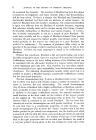
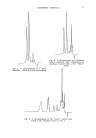
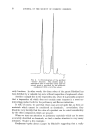
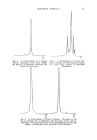
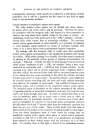
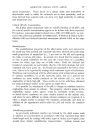
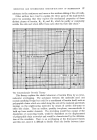
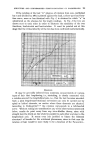
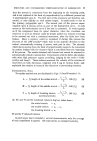
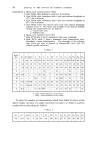
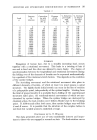
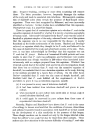
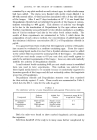
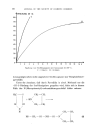
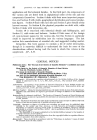
8 JOURNAL OF THE SOCIETY OF COSMETIC CHEMISTS Fig. 4. A chromatogram of the purified "minty" fraction. The double peak is associated with a mint-like odour and the second peak is provided by an unknown component with a very fine odour. early fractions. In other words, the clean odour of the purest Rhodinol has been fortified by a valuable top note without impurities of unpleasant odour. Another example lies in the terpeneless oils, where it is generally accepted that a terpeneless oil which does not contain some terpenes is a most un- interesting product both for the perfumery and flavour industries. It will, of course, be said that these cases are not quite fair, as they are materials which cannot be considered as chemicals nevertheless, they illustrate very forcibly that the value of a product can be varied considerably by the other components which are present. When we turn our attention to perfumery materials which can be more accurately described as chemicals, we find a similar situation in very many instances. To give a few examples: Krajkeman• spoke about a paper by Mitchell a, suggesting that a really

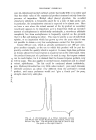
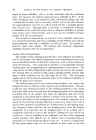
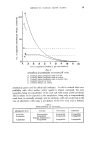
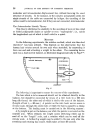
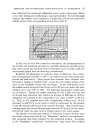
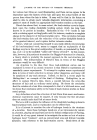
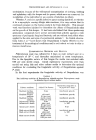
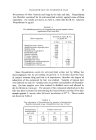
PERFUMERY CHEMICALS pure tri-chlorphenyl methyl carbinyl acetate had really little or no odour that the odour value of the commercial product stemmed entirely from the presence of impurities. Methyl ethyl phenyl glycidate, the so-called strawberry aidehyde, is frequently asked for in a state of high purity and, in particular, the acetophenone content is expected to be almost zero. Here we have a case where the actual amount of the by-product or secondary constituent appears to be important, as it is found that while an excessive amount of acetophenone is undoubtedly undesirable, a strawberry aidehyde completely free from acetophenone is frequently rejected on the grounds that it is flat and lacking in odour. This may be purely a case of individual opinion, or an impression which has grown up over the years when it was not possible to obtain a very low acetophenone content for this product. Ionone 100 per cent, which as already mentioned is not 100 per cent, gives another example, as the use to which this product will be put fre- quently controls the quality which is required. In many high-class perfumes an Ionone almost free from terpenes is required, but on the other hand, when the product forms part of a perfume to be used in soap, the terpene content can be much higher, for it is claimed that the Ionone terpenes perform very well in soaps. This also applies to methyl Ionone, betalonone and to a lesser extent, al_phalonone. The list could be continued almost indefinitely pure Hydroxycitronellal has very little odour indeed pure amyl cinnamic aldehyde possesses an odour very different from the perfumer's normal product, and many perfumers would not "give a thank you" for pure, straight-chain fatty aldehydes. Fig. 5. A chromatogram of a Citral, Aldehyde content only 07 per cent by the Hydroxylamine method. Odour and flavour very fine. The tall peak on the left is Citral A and tl•e peak on the right Citral B.
Purchased for the exclusive use of nofirst nolast (unknown)
From: SCC Media Library & Resource Center (library.scconline.org)