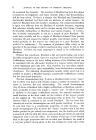
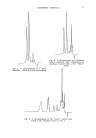
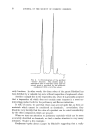
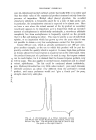
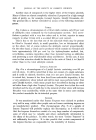
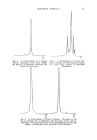
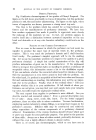
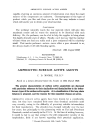
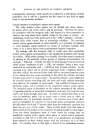
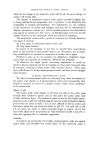
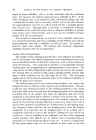
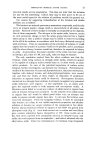
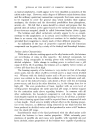
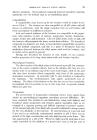
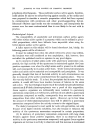
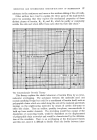
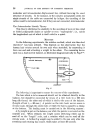
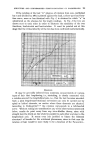
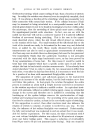
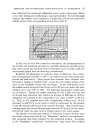
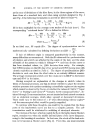
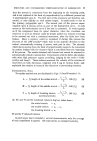
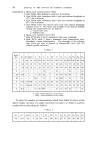
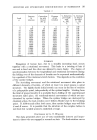
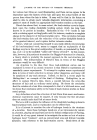
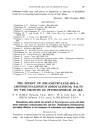
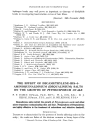
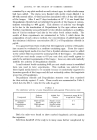
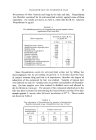
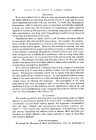
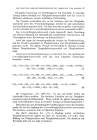
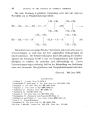
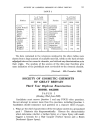
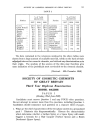
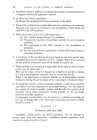
6 JOURNAL OF THE SOCIETY OF COSMETIC CHEMISTS for a moment the chemistry. The structure of Rhodinol has been the subject of numerous investigations, and many chemists believe that the problem is still far from solved. To-day it is thought that Rhodinol and Citronellol are functionally identical, but that both are mixtures of certain isomers. So much for Rhodinol from the chemist's standpoint, but commercial Rhodinol is again very different from the Rhodinol of scientific literature, supposing this substance actually exists and it contains among other things, Geraniol, d-Citronellol, iso•enthone or Menrhone and various terpenes. It is there- fore obviously unreasonable to ask for a sample of pure Rhodinol. We could more sensibly ask for a supply of Rhodinol obtained from genuine Geranium Oil and request the highest possible total alcohol content. This would probably be the nearest one could get to a pure Rhodinol, but would it be satisfactory ? The opinions of perfumers differ vastly on the question of the percentage of minor constituents they expect to find in their Rhodinol. Of these the most important is stated to be isoMenthone or Menthone. Without this constituent, Rhodinol is flat and uninteresting, and in fact has little advantage in odour value over a mixture of Geraniol and Citronellol. IsoMenthone occurs in the lower boiling fractions of the Rhodinol and can be associated with the still earlier fractions of a terpene nature which have a most unpleasant and crude note. This, therefore, is a case where undesir- able characteristics have, quite unjustifiably, been attributed to a secondary constituent. The following chromatograms furnish visible proof that it is possible to produce a Rhodinol having a considerable iso•enthone content, but free from harsh impurities. The first chromatogram (Fig. 1) shows a Rhodinol which is very "pure", but it will be seen that it still consists of quite a number of substances. Its odour is, however, flat and uninteresting. The second chromatogram (Fig. 8) shows a Rhodinol with a higher isoMenthone or Menthone content- more acceptable to those who require a "minty" note. It will be seen that in addition to the higher isoMenthone content, the material contains the small fractions at the front which are the residues of the terpene present in the original oil. The third chromatogram (Fig. $) shows the "minty" fraction which is contained in the second Rhodinol. This has been frac~ tionated out and the chromatogram run with greater resolution. It can now be seen that there is a considerable proportion of early fractions. The fourth chromatogram (Fig. 4) shows the "minty" fraction when it has been further purified to give mainly two components, one the double peak which is associated with the mint-like odour, and a second peak which is an unknown component with a very fine odour. If a fraction of this type is now blended back in the right proportion with the so-called pure Rhodinol, the result is a very fine product having plenty of life, but lacking the crude notes of the

PERFUMERY CHEMICALS 7 Fig. 1. Rhodinol. Fig. oe. A chromatogram of a Rhodinol with a relatively high isoMenthone or Menrhone content with a fine "minty" odour. A chromatogram ooe a "pure" 0dour flat and uninteresting. Fig. $. A chromatogram of the "minty" fraction con- tained in the Rhodinol shown in Fig. 2.
Purchased for the exclusive use of nofirst nolast (unknown)
From: SCC Media Library & Resource Center (library.scconline.org)