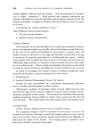
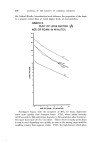
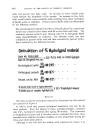
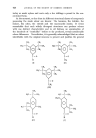
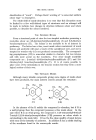
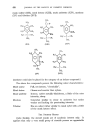
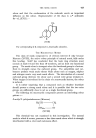
THE MUSK ODOUR 429 odour and that the conformation of the molecule exerts an important influence on the odour. Representative of the class is /•6 androsten 3a--ol, (XVII):-- CH: H(• CHex/iV!H (xvn) The corresponding $ B compound is practically odourless. THE MACROCYCLIC MUSKS This class of musk compound is of obvious interest if only because Muscone (XVIII), the active odour principle of natural musk, falls under this heading. Stoll 4 has concluded that the basic ring structure must contain at least 14 and less than 19 members, and at least one functional group. The musk odour is strongest when the functional group is a lactone. Next in strength comes the carbonyl group. The anhydrides and car- bonates produce weak musk odours while atoms such as oxygen, sulphur and nitrogen create very weak musk effects. The introduction of a second carbonyl group destroys the odour and a second ester group weakens it. When oxygen is introduced in the chain of a macrocyclic lactone, the odour is reduced. It is rather surprising that a compound such as ethylene brassilate should possess a strong musk odour and it is possible that the two ester groups are sufficiently close to act as a single functional group. The following six macrocyclic compounds present an interesting odour picture :-- $ methyl I cyclopentadecanone (Muscone) HaCCH (OH, h,- CO This chemical was not examined in this investigation. The natural musk in which it occurs, possesses a fine clean musk odour which is strongly interblended with a civet and castoreum effect.

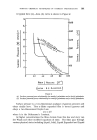
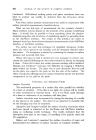
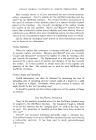
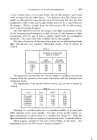
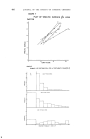
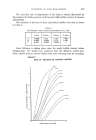
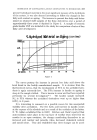
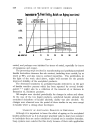
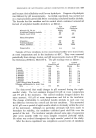
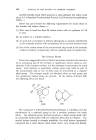
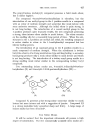
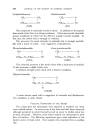
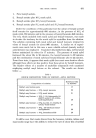
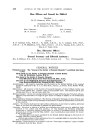
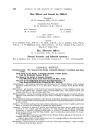
430 JOURNAL OF THE SOCIETY OF COSMETIC CHEMISTS C yclop entadeca none P entadeca nol ide CH•, CH• CH2 I I (cH2)., co (XIX) (XX) This compound is extremely woody in odour. In addition to the typical clean musk odour there is a strong woodiness. Other macrocyclic chemicals possess woodiness of odour but the effect is usually towards santalol. In this case, the cedrol note is strongly in evidence. This possesses the musk intensity of ambrette but is strongly santalol- hke with a touch of cedrol. 12-oxa-hexadecanoli& CH •, I (CH2)a--O--(CHa)•0 (xx) Very suggestive of blackberries. 4-oxa-pentadecanolide 0 CH• 0 I I CO (CH•,)•o--O--(CH•,)•-- CO (XXII) This chemical possesses a fine musk odour with a back-note of santalol. It also possesses a slight fruity note. A medium strength sweet musk with a distinct woodiness. Ethylene brassilate CH• 0 1 CH•--O--C--(CH•)n -CO 0 (XXIII) A sweet intense musk with a suggestion of ambrette and blackberries. The woodiness is quite absent. FIXATIVE PROPERTIES OF THE MUSKS For a long time the nitromusks were regarded as fixatives for other more volatile odours. In recent years it has been said that these chemicals although persistent in odour themselves had no power to inhibit odour loss in other chemicals. However, most writers include the nitromusks in their lists of fixatives. The following experiment gives some indication of the fixative power of musk xylol. Four samples were examined from a smelling slip.
Purchased for the exclusive use of nofirst nolast (unknown)
From: SCC Media Library & Resource Center (library.scconline.org)