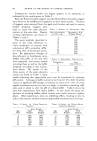
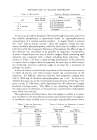
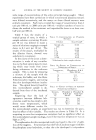
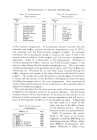
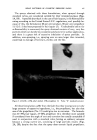
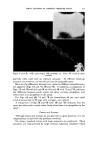
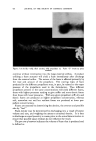
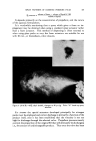
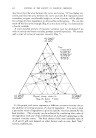
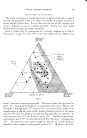
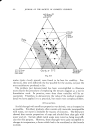
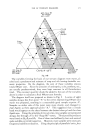
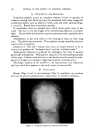
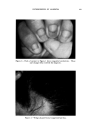
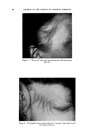
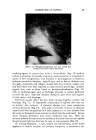
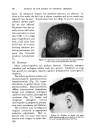
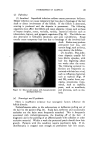
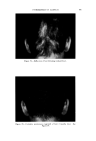
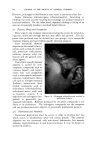
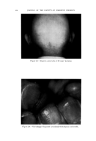
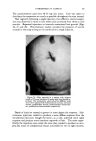
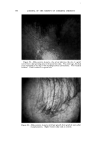
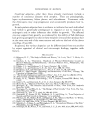
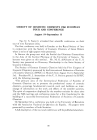
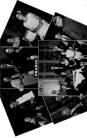
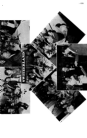
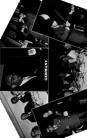
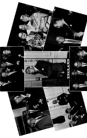
480 JOURNAL OF THE SOCIETY OF COSMETIC CHEMISTS A. CONGENITAL AND INHERITED Congenital alopecia occurs as complete absence of hair or patches of alopecia existing from birth and may be associated with other congenital ectodermal defects such as defective teeth, nails and other adnexae (Figs. 1, 2 and 3). Rarely does normal hair develop. In monilethrix there are beaded hairs which break easily close to the scalp. The hair is dry and fragile with a shimmering reflection to incident light. Occasionally this disorder improves spontaneously, especially after puberty. Trichokinesis or pili torti refers to the twisting of hairs on their long axes. The shafts fracture easily. This condition closely resembles and may coexist with monilethrix. Ichthyosis or "fish skin" disease may occur as simple dryness or be so severe as to produce the "harlequin fetus" and the "collodion baby." dndro-genetic alopecia is produced by androgens, but only in persons genetically predisposed. Male-pattern alopecia is the outstanding example of this type. I believe that hair loss in the female may be caused by endo- genous or exogenous androgens triggering the genetic predisposition. Physiologic alopecia of the newborn is the spontaneous and temporary hair loss which first appears in the early weeks of neonatal life. B. NEOPLASTIC Benign (Figs. 4 and 5) and malignant (Fig. 6) neoplasms can produce hair loss by pressure,displacement, replacement or systemic influences. Figure 1.--Congenital Alopecia in 30-year-old female.

PATHOGENESIS OF ALOPECIA 481 Figure 2.--Nails of patient in Figure 1 show congenital onycholysis. These nail changes help establish the diagnosis. •. •2...•'.... . . . 'i• -.• •. ,•. . .., . ........... Figure 3.•Wedge-shaped frontal congenital hair loss.
Purchased for the exclusive use of nofirst nolast (unknown)
From: SCC Media Library & Resource Center (library.scconline.org)