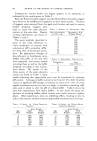
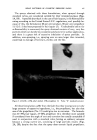
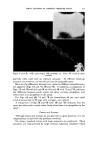
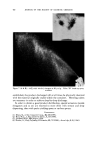
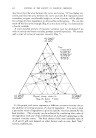
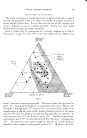
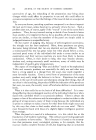
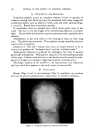
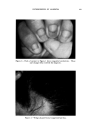
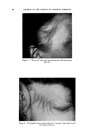
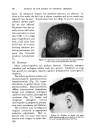
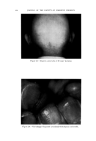
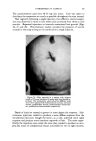
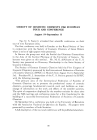
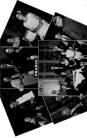
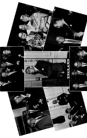
482 JOURNAL OF THE SOCIETY OF COSMETIC CHEMISTS Figure 4.--Internal pressure from a cyst caused alopecia. .. Figure 5.--Fibroma displacing hair produced alopecia

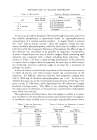
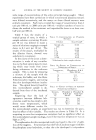
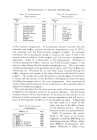
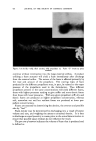
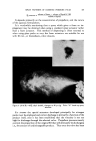
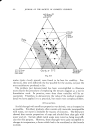
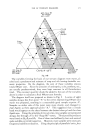
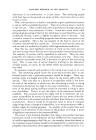
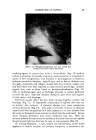
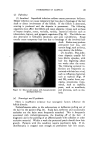
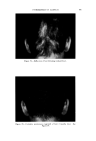
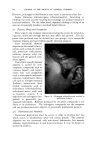
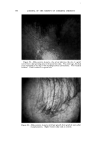
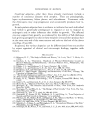
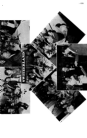
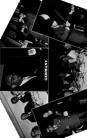
PATHOGENESIS OF ALOPECIA 483 C. ACQUIRED (a) Traumatic (I) Physical. Acute traction by plucking, combing or brushing can cause breakage of the hair shaft or evulsion from the follicle. Breaking of the shaft does not interfere with continuity of hair growth. Evulsion usually produces a temporary cessation of hair growth. Chronic traction by tight "pony tails" (Fig. 7), braids, cutlers, bobby pins or combs (Fig. 8) can cause hair loss at the sites of tension. If the exciting cause is removed early enough no permanent hair loss occurs. However, prolonged traction can result in permanent hair loss. Fig. 6.--Prickle cell epithelioma produced local destruction and permanent hair loss. Avulsionis the forcible tearing off of scalp tissue. If untreated, avulsion may cause not only loss of the hair-bearing skin but also injury to the underlying skull. If the site is small immediate replacement of the avulsed skin may be successful. If the aponeurosis and subcutaneous fat are trimmed carefully to avoid damage to the hair follicles, this will increase the probability of the autograft's viability. Regrowth of hair in the graft may be partial or complete. In total scalp avulsion permanent alopecia is usually inevitable, though the avulsed.scalp may be used for split-thickness autografts to cover the defect. Friction can cause breakage of the hair shaft close to the scalp. This condition, commonly seen on the back of an infant's head (Fig. 9), may occur unilaterally if the child's head is continuously turned in one direction.
Purchased for the exclusive use of nofirst nolast (unknown)
From: SCC Media Library & Resource Center (library.scconline.org)