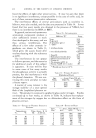
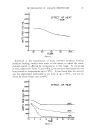
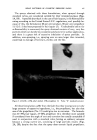
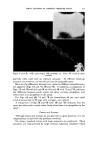
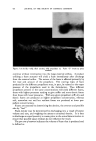
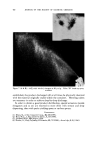
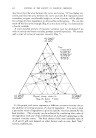
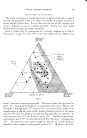
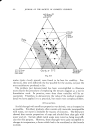
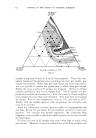
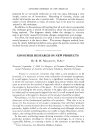
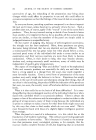
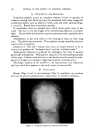
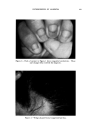
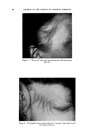
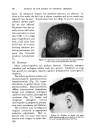
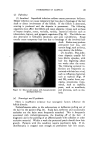
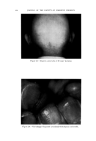
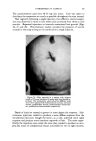
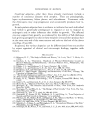
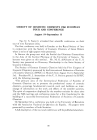
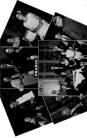
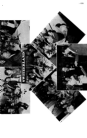
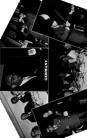
486 JOURNAL OF THE SOCIETY OF COSMETIC CHEMISTS Figure 11.--Thioglycolates and strong alkalis caused this temporary hair loss. Figure 12.--Improper bleach application caused a severe chemical primary irritant action and a permanent alopecia.

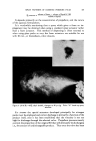
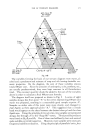
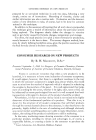
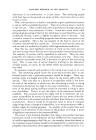
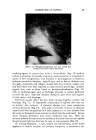
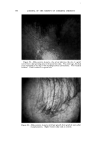
PATHOGENESlS OF ALOPECIA 487 Figure 13.--Paraphenylenediamine hair dye caused this allergic eczematous contact dermatitis. oxidizing agents to control their action strong alkalis (Fig. 12) such as sodium and barium hydroxide, ammonia, triethanolamine or monethanoi- amine in hair straighteners, with formalin or permanganate as fixatives hydrogen peroxide in bleaches vegeta3le dyes such as henna, rhubarb root, nut galls, chamomile and indigo metallic hair dyes of silver, copper, iron and lead (these have been reported to cause systemic poisoning) synthetic organic dyes, such as those based on paraphenylenediamine (Fig. 13), with an oxidizing agent such as hydrogen peroxide or sodium perborate to form the dye soap and detergent shampoos, gum resins and lacquers in hair sprays and dressings. Chemicals usually affect the hair shaft causing fragilitas crinium and breakage (Fig. 11). If improperly compounded or applied they may act as primary skin irritants. A chemical allergen may cause eczematous contact dermatitis (Fig. 13). The scalp is relatively resistant to chemical trauma and thus the glabrous skin areas adjacent to or even distant from the scalp are frequently more severely involved than the scalp itself. Severe acute chemical dermatitis may cause temporary hair loss. Only the severest primary irritant action or secondary bacterial infection can explain the permanent hair loss that may be seen on rare occasions (Fig. 12). (3) Ionizing Radiation. x-rays, radium and radioisotopes, atomic bomb explosion or atomic accident can produce temporary or permanent alo-
Purchased for the exclusive use of nofirst nolast (unknown)
From: SCC Media Library & Resource Center (library.scconline.org)