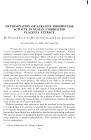
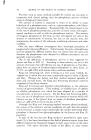
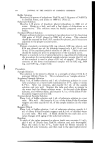
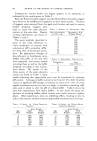
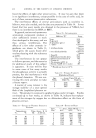
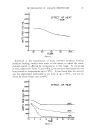
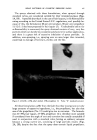
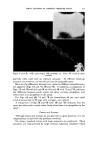
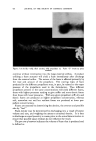
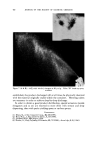
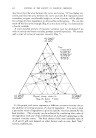
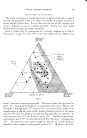
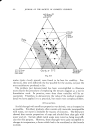
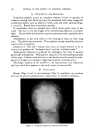
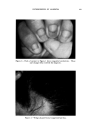
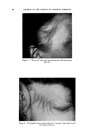
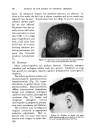
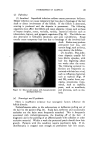
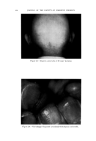
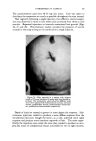
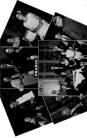
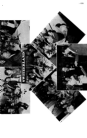
488 JOURNAL OF THE SOCIETY OF COSMETIC CHEMISTS regrowth may be seen. resistant derreal papil- lae are also affected. Permanent hair loss us- ually occurs with radia- tion equivalent to more than 1500 r of a single dose of superficial x-rays with a half value layer of 0.9 min. A1 or more. Ionizing radiation pro- ducing permanent alo- pecia also invariably pecia. In temporary alopecia the epithelial elements are affected. In three to five weeks the hair loss is almost complete and in ten weeks hair In permanent hair loss (Figs. 14 and 15) the more .•.?• ::i." ":-:.• ..... 7. . :t:: •! "• ...... :i.!• • '" :. ?.. ,• • :,•!• :.:2, -• .:• produces radiodermati- :i:!,?! •..•' ß ..... ?ii,: :!i? ..• ..x: .... ... tis. Figure 14.•Excessive x-ray treatment of a fungus infection (b) Hormonal of the scalp caused permanent hair loss. Many endocrinopathies can produce alopecia. Generally, estrogens stimulate and androgens inhibit scalp hair growth. Inhibition of scalp hair growth by androgens requires a genetic predisposition (andro-genetic alopecia). The following clinical entities can produce alopecia: hyperpituitarism, •:.• •:•' .-.•. hypopituitarism (Fig. 16), hyper- .:. '-.• thyroidism, hypothyroidism, hypo- : •.' ': ""'"'.. parathyroidism, hypocorticoidism, diffuse adrenocortical hyperplasia, -. benign and malignant androgenic •.• adrenocortical t•ors, adrenogenital : • ...... :•g'•-':•' :'•r'•:: "'"%• .... •..•2•:•:•. - . :•.. ':% .. syndrome (Fig. 17), benign and ...... -:•-'• "•. "•5• malignant tumors,pubert.:•:•....."•'byre-ovarianpostpar-diabetes.Hairhelpedappropriatebeandormaypregnancy,androgenicadjus•ent.menopausecorrectionconditionstate,The turn surgical endocrine growth may not occur until many Figure 15.•Failure to shield the scalp while administering x-ray therapy to the face months after surgery or other ther- for acne caused permanent hair loss. apy.

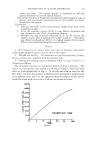
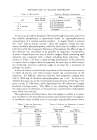
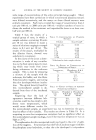
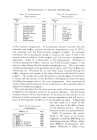
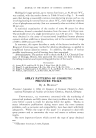
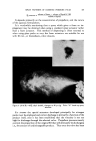
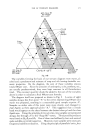
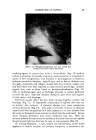
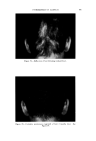
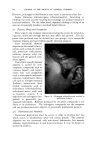
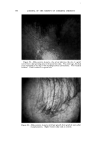
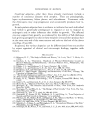
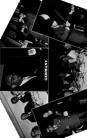
PATHOGENESIS OF ALOPECIA 489 (c) Inectious (1) Localized. Superficial infection seldom causes permanent baldness. Deeper infection can cause temporary hair loss due to breakage of the hair shaft or direct involvement of the follicle. If the follicle is destroyed, scarring is produced and the alopecia is permanent. The following organisms may affect the follicle and cause alopecia viruses such as those of herpes simplex, zoster, varicella, variola bacterial infection such as tuberculosis, leprosy, and pyogenic organisms (Fig. 18). The follicles are also destroyed in oeolliculitis decalvans and ache varioliformis. Fungi usually cause temporary hair loss due to breakage of the involved hair 'z Figure 16.•40-year-old woman with hypopituitarism developed hair loss. shaft. Kerion may produce permanent hair loss, and certain fungi, such as favus, may destroy the follicles. (2) Systemic. Post-infec- tious alopecia usually fol- lows febrile episodes, with hair loss beginning about ten weeks after the onset. The following systemic in- fections are frequently as- sociated with hair loss: viral, such as influenza bacterial, such as typhoid (Figs. 19 and 20), scarlet fever, ery- sipelas, pneumonia trepo- nemal, such as syphilis yeast, such as moniliasis: and protozoa, such as ma- laria. (d) Neurologic an Psychiatric There is insufficient evidence that neurogenic factors influence the follicle directly. Trichotillomania refers to the subconscious or deliberate pulling out of the hair by the patient (Fig. 21). Scalp hair, eyebrows and occasionally eyelashes are the hairs most frequently attacked. This is frequently associated with trichokryptomania, the breaking off of the hair. A diagnostic aid is the painting of an affected patch with collodion or other occlusive material. Within a week the protected patch should show hair growth. Patients with this condition require psychiatric help. If tri- chotillomania is stopped soon enough .no permanent hair loss occurs.
Purchased for the exclusive use of nofirst nolast (unknown)
From: SCC Media Library & Resource Center (library.scconline.org)