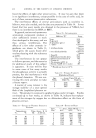
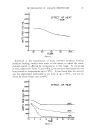
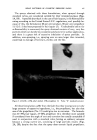
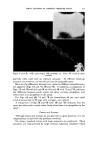
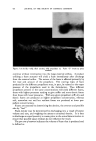
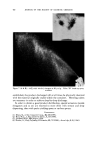
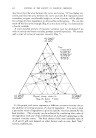
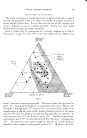
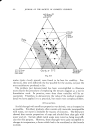
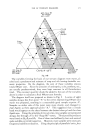
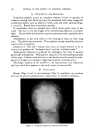
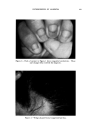
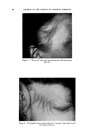
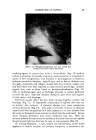
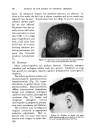
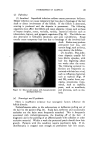
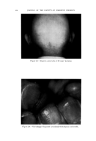
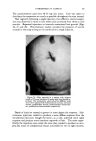
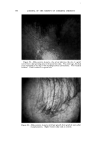
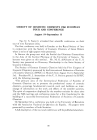
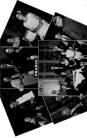
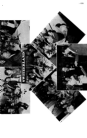
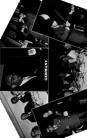
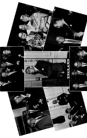
496 JOURNAL OF THE SOCIETY OF COSMETIC CHEMISTS Figures 26, 27, 28.--This 2S-year-old woman with extensive alopecia areata regrew a full head of hair with multiple injections of corticosterolds directly into the scalp. Figure 26. Figure 27.--3 months after institution of therapy.

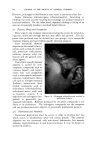
PATHOGENESIS OF ALOPECIA 497 Figure 28.--1 year later. This was observed in approximately 5 per cent of the patients treated by local steroid injections. Mild tissue loss did not seem to interfere with hair growth. The discomforts caused by the injections, the prick of the needle and a burning sensation, were controlled by preparatory freezing with ethyl chlo- ride. The swelling associated with large-volume injections was treated by pressure or by the addition of hyaluronidase to the suspensions. The regrowing hair grossly showed the same texture and pigmentation as the patient's normal hair. Occasionally a patient, usually with alopecia totalis, would claim that the new hair was darker and curlier than his normal hair. Tattooing as a method of applying steroids locally has been used but is not satisfactory because of the trauma produced by the hundreds of punctures necessary to administer sufficient amounts of steroid. Application of steroids by inunction and iontophoresis failed to produce hair regrowth. In alopecia areata the hair regrowth that occurs spontaneously may be gray. With repeated episodes a mixture of gray and pigmented hair develop. The pi•maqented hair is sometimes more susceptible to loss during recurrences. Occasionally all the pigmented hair is suddenly lost and the patient therefore appears rapidly to have become completely gray, when actually he has suddenly become partially and selectively bald. dlopecia mucinosa is a rare, only recently recognized variety of non- cicartical alopecia of unknown etiology.
Purchased for the exclusive use of nofirst nolast (unknown)
From: SCC Media Library & Resource Center (library.scconline.org)