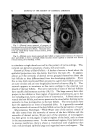
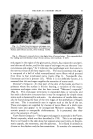
PATTERNS OF REACTION OF THE SKIN TO INJURY 73 parakeratotic scaling occur especially in chronic and subacute eczematous reactions of moderate or low intensity. Clinically eczematous dermatitis has the following general character- istics: (1) itchiness (2) inflammatory redness, and (3) alteration of the normal skin surface texture. This latter feature may present as either closely set vesiculation and blistering or exudation and crusting in acute forms of eczematous dermatitis or as scaling and thickening of the skin with accentuation of surface markings in subacute and chronic types. In chronic eczematous dermatitis the exaggeration of normal surface lines and folds to give the skin a leathery appearance is called lichenification. The itching in eczematous dermatitis is neurophysiologically believed to be based upon stim• lation of a network of thin, free, pain nerve fiber endings which supply the uppermost corium and epidermis. All points on the skin surface are multiply innervated by such fiber endings so that sharp stimulation of the skin surface normally gives rise to a pattern of impulses in these fibers which are integrated and interpreted in central neuronal pools as well localized pain. According to current neurophysiological views, when the multiple innerration of surface points is partially damaged, as occurs in epidermal injury, an incomplete pattern of nerve impulses reaches the central nervous system from stimuli which trigger impulses in the remaining undamaged fibers of the superficial nerve network. This incomplete sensory information is then interpreted centrally as itching. In eczematized skin, itch attacks are frequently triggered by casual surface stimuli. They also may occur spontaneously, possibly as the result of chemical stimulation of undamaged free epidermal nerve fibers by proteases or humoral factors accompanying the epidermal eczematous reaction. Several types of factors and mechanisms can be recognized which may trigger, aggravate or tend to prolong eczematous reactions. Prominent among triggering factors are chemical substances which may bring about epidermal injury either through their direct toxic or primary irritant action on epidermal cells (e.g., croton oil, strong soaps and detergents), or by means of allergic mechanisms (e.g., dinitrochlorobenzene) which will be more fully discussed shortly. Bacteria, viruses, fungi and parasites which attack the skin can also activate eczematous reactions either via their toxins or other direct injurious actions on epidermal cells, or secondarily by allergic reactions directed against their antigenic materials. Injury by physical factors such as by mechanical forces, extremes of temperature and radiant energy may also be implicated in eczematous reactions. Among these physical factors, the damage produced by rubbing or scratching of itchy skin is a particularly important aggravating and prolonging factor in eczematous dermatitis and often leads to the well-known vicious cycle or rather, spiral of itching, scratching, dermatitis, more itching, more scratch- ing and more dermatitis.

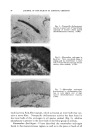
74 JOURNAL OF THE SOCIETY OF COSMETIC CHEMISTS Still another facto• which promotes eczematous injury is excessive dehy- dration, brittleness and superficial cracking of the horny layer which is commonly called chapping or winter itch and which is promoted by a defi- ciency of skin surface lipids. Sluggishness of venous blood flow in the skin also favors eczematous injury as is commonly exemplified by eczematous stasic dermatitis on the legs of persons with varicose veins. Excessive sweating also tends to aggravate eczematous dermatitis b.ecause of the tendency toward plugging of sweat ducts as they traverse eczematized epidermis. Sweat production may thus lead to rupture of occluded sweat ducts with consequent escape of irritating sweat into the epidermis. In essence this superimposes prickly-heat on the pre-existing eczematous reaction and so compounds the damage. Finally two further factors in addition to ill defined hereditary or con- stitutional susceptibility factors to eczematous reactivity, are recognized by dermatologists. These are, first the apparent greater tendency for eczematous reactivity to flourish under conditions of nervous tension and stress and second, the lowering of the threshold for eczematous reactivity of the apparently normal skin in generalized fashion in the face of severe localized eczematous dermatitis occurring practically anywhere on the skin. The mechanism of this latter effect is not clearly understood al- though two theories about it are commonly held as implied respectively by the terms "secondary toxic absorptive dermatitis" and "secondary autosensitization dermatitis" which are often used to describe this phe- nomenon of widespread extension of the eczematous reaction beyond an original localized area of eczematous dermatitis. The autosensitization hypothesis possibly gains some support from the fact that where such spreading of eczematization has occurred the general lowering of thresholds for eczematization tends on occasion to last for many years even though active episodes of dermatitis may clear entirely. The effect of nervous tension can partially be accounted for on the basis of enhancement of itch sensations and lessened control over damaging scratching. It seems likely, however, that other factors are also involved including those which depend on the effects of neurohumoral mediating substances. Sweating, for example, which may aggravate eczematous dermatitis is stimulated by the liberation of acetylcholine from nerve end- ings which supply sweat glands. It is, at least, conceivable that this or other neurohumoral substances may alter epidermal cell membrane perme- abilities to lower thresholds for eczematization. Turning to the urticarial reaction pattern, its anatomical site is the dermis. Its pathophysiology is relatively simple because it is almost en- tirely based upon the liberation of histamine primarily from mast cells which tend to be grouped around small derreal blood vessels. The lib- erated histamine greatly increases vascular permeability so that plasma
Purchased for the exclusive use of nofirst nolast (unknown)
From: SCC Media Library & Resource Center (library.scconline.org)