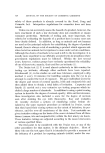
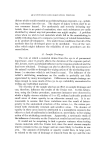
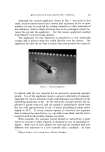
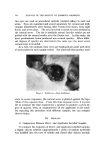
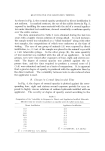
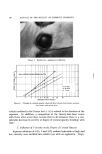
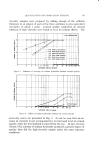
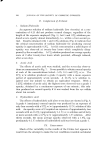
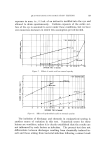
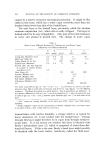
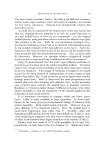
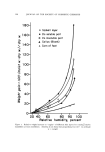
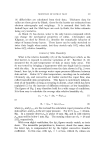
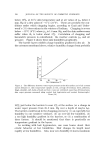
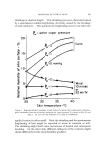
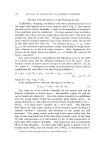
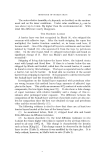
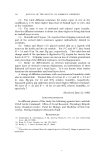
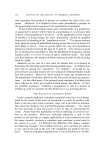
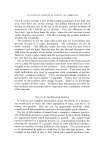
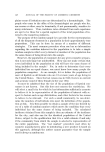
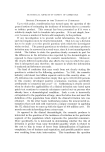
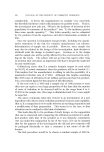
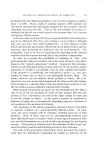
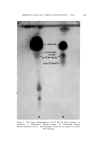
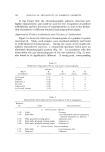
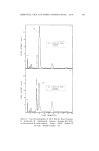
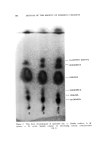
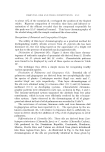
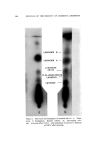
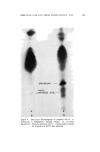
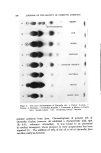
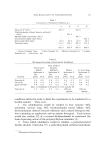
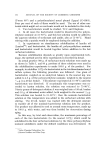
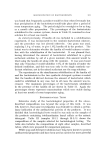
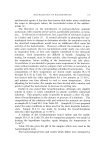
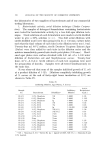
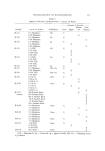
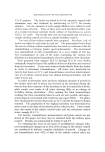
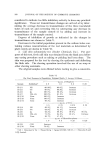
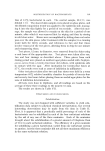
QUANTITATIVE EYE IRRITATION TESTING 125 As shown in Fig. 2, the corneal opacity produced by direct instillation is not uniform. In marked contrast, the eye of the rabbit shown in Fig. 3, exposed by instilling the same material with the aid of a corneal applica- tor under identical test conditions, showed essentially a uniform opacity over the entire cornea. The data summarized in Table I were obtained during the last two years with a highly viscous solution of strong alkali. In each instance, the sample tested was submitted as a "blind standard" along with other test samples, the compositions of which were unknown at the time of testing. The eyes of one group of animals (A) were exposed by direct instillation, i.e., 0.1 ml. of the sample was placed in the animal's eye with a 1 ml. tuberculin syringe. In the other group (B), the same quantity of test material was instilled with the aid of an applicator. In both groups, eyes were rinsed after exposures of four, eight and sixteen sec- onds. The degree of corneal opacity was plotted against the ex- posure time, and the time required to produce a corneal score of 2 (I-A) was estimated and used as a basis of comparison. It is apparent that a greater degree of opacity is produced with the applicator than by the direct method. The variability between tests is also reduced when the applicator is used. B. Cha,•es •'n Corneal Opacity with Time In Fig. 4, the degree of corneal opacity is plotted against the corre- sponding four, eight and sixteen second exposure periods for eyes ex- posed to highly viscous solutions of sodium hydroxide instilled with an applicator. The severity or degree of opacity scored according to the Table I Comparison of the Variability in Response to Direct- and Applicator-Instilled Materials Effective time (in seconds) to produce an opacity score of 2 after seven days Direct Instillation Applicator Instillation 8.0 7.2 86 13 0 4O 86 78 48 78 ,• = 7.75 (SD 2.5' C.V. 32.3%) 4.9 4.3 4.3 4.4 2.5 3.5 2.8 4.5 3.9(SD0.87 C.V. 22.3%)

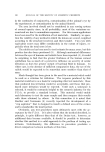
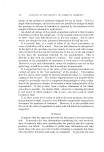
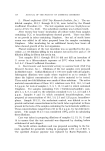
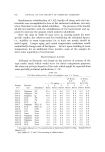
126 JOURNAL OF THE SOCIETY OF COSMETIC CHEMISTS Figure 3. Rabbit eye--applicator instillation 8 I 1 HIGHLY VISCOUS SODIUM HYDROXIDE SOLUTION ••.-/' •l.• • •' ß 24 •s _• I a 7Z Hours • i 2 :5 4 5 6 7 8 9 I0 15 20 :50 EXPOSURE TIME (In Seconds ) Figure 4. Changes in eorneal opacity observed after twenty-four hours, seventy- two hours, and seven days criteria outlined in the Draize test (l-A) is related to the duration of the exposure. In addition, a comparison of the twenty-four-hour scores with those after seven days reveals that in all instances there is a con- siderable decrease in severity or degree of corneal opacity (healing) with time. C. Influence of Viscosity on the Degree of Corneal Opacity Aqueous solutions of 0.25, 5 and 10% sodium hydroxide of high and low viscosity were instilled into rabbit eyes with an applicator. High-
Purchased for the exclusive use of nofirst nolast (unknown)
From: SCC Media Library & Resource Center (library.scconline.org)