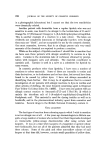
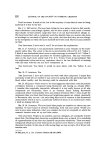
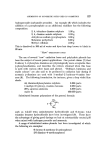
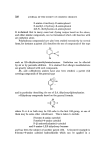
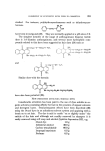
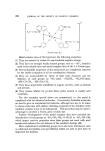
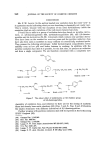
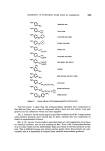
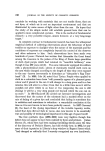
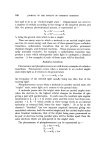
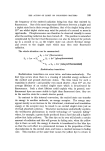
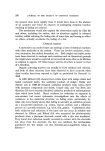
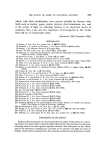
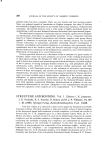
230 JOURNAL OF THE SOCIETY OF COSMETIC CHEMISTS NH ß CHz'CH 2 OH N.N.•CH•--•H__CH•.•OH •NO z •N% OH NH ß CH 2. CH 2 OH NH z (Chestnut brown) (Deep reddish violet) A variety of compounds of {he general class H--N--R H--N--CH 3 •-•N02 such as •NO• NHz NH 2 are also covered by patents (19,20) and compounds of the general class H•N--R NH. CH 2, CHz OH •oz such as • NOz have been H--N--R- NH. CH 3 patented (21). The range of compounds covered by the foregoing patents is enormous but they would seem to be particularly valuable for hair dyeing and some are almost certainly in commercial production. Chroma- tographic analyses of a few hair dyeing compositions generally available for home use, which have been carried out in our technical service labora- tories have isolated dyes which could not be recognized as textile dyes, and are probably dyes of the above classes. Similarly, related compounds derived from nitro-p-phenylene diamine have been prepared (22) which are biguanidide or guanyl urea derivatives based on the general formula NH--R i•---NO= NH2 such as O NOz NH--C--NH--C--NHz NH--C --NH--C --NH• NH NH NH They are claimed to have a particularly high affinity for protein fibres in general. OTHER DYES SPECIFICALLY FOR HAIR DYEING Hair dyes which are chemically similar to those generally employed for textile dyeing, as being in the azo or anthraquinone class, have also been

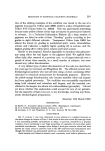
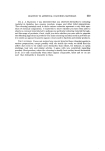
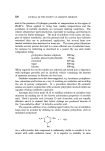
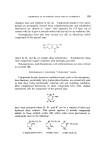
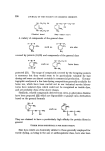
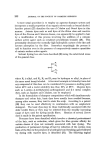
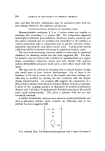
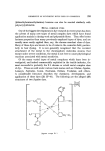
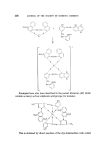
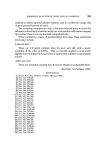
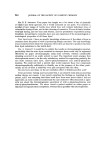
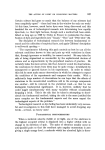
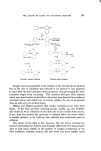
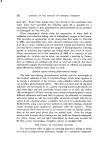
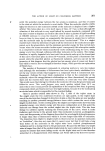
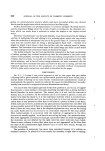
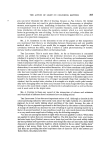
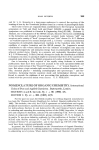
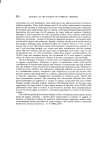
CHEMISTRY OF SYNTHETIC DYES USED IN COSMETICS 231 studied. benzene For instance, polyhydroxyazobenzenes such as trihydroxyazo- OH OH have been investigated (23). They are normally applied at a pH above 7.0. The simplest member of the range of anthraquinone disperse textile dyes is 1,4 diamino anthraquinone, and several more hydrophilic com- pounds related to this have been suggested as hair dyes (24) such as o NH. (CH•)•--O• (CH•)•-0' C•H5 NH. (CH•)•-- O--(C Hz)•- O-- C•H 5 0 o NH• '•0--( CH z)•-S--(CHOHOH•2H2)(CS-- •.•0-- ( C H2)•-- NH2 0 and o S-- CH•- C-- NH-- C4H ,7 0 NH2 o Similar dyes with the formula o NH* CH• CHoe CHoe NH .CH:•CH z, CH•N H•, O have also been patented (25). NEW PROCESSES INVOLVING TEXTILE DYES Considerable attention has been paid to the use of dyes soluble in or- ganic solvents possessing affinity for hair in the presence of organic solvents and detergent bases. Semi-permanent effects have been described (26) using the Orasol dyes in an anhydrous solvent system and applying with a brush on to set hair. The dye is said to reside "on or slightly under" the cuticle of the hair and although not readily removed by shampoo it is easily removed using soft soap and alcohol (Spiritus Saponatus BP), e.g. Orasol dye 1.0 g Industrial alcohol 38.0 g Carbon tetrachloride 60.0 g Isopropyl myristate 0.5 g Perfume 0.$ g
Purchased for the exclusive use of nofirst nolast (unknown)
From: SCC Media Library & Resource Center (library.scconline.org)