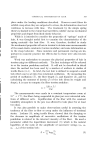
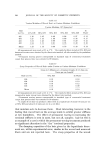
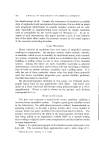
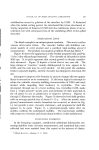
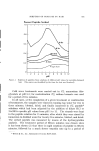
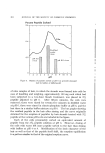
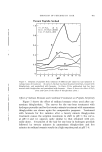
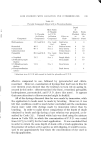
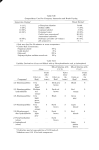
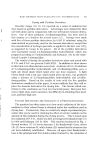
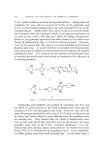
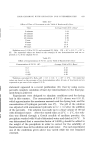
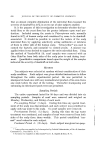
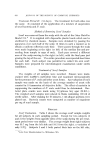
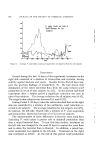
604 JOURNAL OF THE SOCIETY OF COSMETIC CHEMISTS Percent Peptide Sorbed 0.6 0.4 0.2 Distilled - water rinse pH 4.0 rinse pH 8.0 rinse Figure 4. 1 2 3 4 5 6 7 8 9 10 11 12 pH Elution of peptides sorbed at pH 6 on peroxide-damaged hair by buffers of differing pH of nine samples of hair, in which the strands were formed into coils for ease of handling and weighing, approximately 100 mg each which had been subjected to a two-hour bleach treatment, was placed in 5% peptide adjusted to pH 6. After fifteen minutes, the coils were removed three were rinsed for twenty-five minutes in distilled water at pH 6, three were rinsed in citrate-phosphate buffer at pH 4, and the last three in a similar buffer mixture at pH 8. The bar graphs showing the residual peptide in the hair after rinsing and the curve originally obtained for the sorption of peptides by hair strands treated with 5% peptide at the various pH levels are included in the figure. Each of the coils presumably sorbed an equivalent amount of peptide from the 5% peptide solution at pH 6. However, rinsing of the coils with water left more peptide sorbed to the hair than rinsing with buffers at pH 4 or 8. Modification of the ionic character of the hair as well as that of the peptide itself shift, the sorption equilibrium to a pattern similar to that of the original sorption curve.

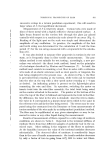
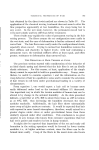
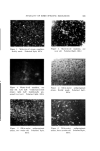
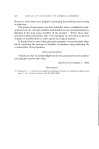
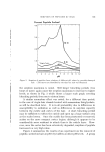
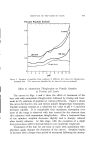
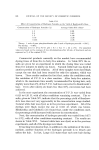
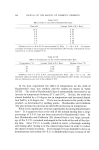
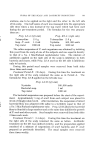
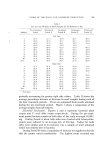
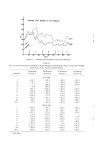
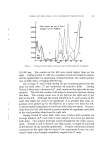
SORPTION OF PEPTIDES BY HAIR Percent Peptide Sorbed 605 0.6 0.4 0.2 5 min 10 min 20 min Virgin hair I I I 1 2 3 4 5 6 7 8 9 pH 10 11 12 Figure 5. $orption of peptides from solutions of different pH values by thioglyeolate- damaged hair. (The curves are identified by the time the hair was reduced) Effect of Ammonium Thioglycolate on Peptide Sorption at Various pH Levels The curves in Figs. 5 and 6 show the effect of treatment of the hair coils with ammonium thioglycolate, followed by rinsing and treat- ment in 5% solutions of peptides at various pH levels. Figure 5 shows the curves for the five, ten, and twenty minute thioglycolate treatments. Peptide sorption remains at a relatively low value to pH 4-5 and then increases rapidly. It is remarkable that maximum absorption over most of the range is observed with hair treated for the shortest time (five minutes) with ammonium thioglycolate. After a treatment time of ten minutes, sorption decreases slightly and is sharply reduced after twenty minutes. At this stage, with the exception of a slight divergcnce above pH 10, the hair behaves very much like virgin hair. Treatment of the hair for one hour or more with ammonium thio- glycolate again changes the character of the curves. Sorption begins to increase with a longer time period of treatment following the absorp-
Purchased for the exclusive use of nofirst nolast (unknown)
From: SCC Media Library & Resource Center (library.scconline.org)