178 JOURNAL OF THE SOCIETY OF COSMETIC CHEMISTS • ++ m ++ ++ + ++

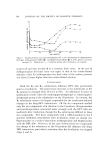
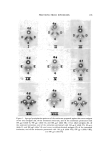
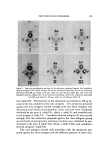
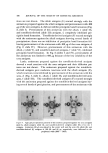
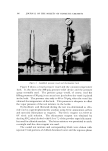
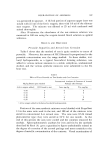
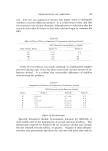
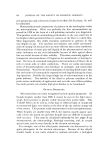
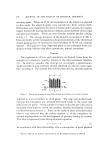
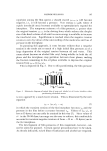
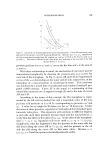
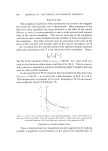
PROTEINS FROM EPIDERMIS 179 strongly with the urea, alkali, and tonofibrin-derived antigens (Fig. 4, slide I, and Table I), and this antiserum pretreated with the urea and to- nofibrin-derived antigens inhibited precipitin band formation with the nrea, alkali, and tonofibrin-derived antigens. On the other hand, pre- treatment of this antiserum with 440 pg of the alkali antigens did not in- hibit completely precipitin band t:ormation with the urea antigens (Fig. 1, slide II), but inhibition of precipitin band formation was produced with the alkali and tonofibrin-derived antigens (Table I). Since the alkali and tonofibrin-derived antigens gave a somewhat similar immuno- diffusion pattern with the antiserum against the urea antigens, except that the alkali and tonofibrin-derived and urea and tonofibrin-derived anti- gens had a common band of precipitation (Fig. 4, slide I), inhibition of precipitation by the alkali as well as the tonofibrin-derived antigens was expected. However, Fig. 1, slide II, showed that much of one antigen, in all probability the urea antigen, was left after pretreatment. Antiserum prepared against the alkali antigens reacted moderately with the nrea antigens and strongly with the alkali and tonofibrin-derived antigens. Pretreatment o1: the antiserum against the alkali antigens with 400/•g of the urea antigens failed to inhibit precipitin band formation with the alkali and tonofibrin-derived antigens (Fig. 2, slides I and IV, and Table I), whereas pretreatment of this antiserum with the alkali and tonofibrin-derived antigens inhibited precipitin band formation with the alkali and tonofibrin-derived antigens. The failure of 400/•g of urea an- tigens to inhibit precipitin band formation appeared reasonable since these antigens reacted quite strongly with the antiserum against the alkali antigens (Fig. 4, slide II). The amount of the urea antigens used for pre- treatment was limited because of the low solubility of these proteins, but inhibition probably could undoubtedly have been obtained with further antigen additions. Lastly, antiserum prepared against the tonofibrin- derived antigens reacted more strongly with the alkali and tonofibrin- derived antigens than with the urea antigens (Fig. 4, slide III). This antiserum pretreated with the urea, alkali, and tono.fibrin-derived anti- gens completely inhibited precipitin band formation with the alkali and tonofibrin-derived antigens (Table I). These results agTeed with the somewhat similar type of immunodiffusion patterns produced with the three antigens against the antiserum of the tonofibrin-derived antigens (Fig. 4, slide III). Although antiserum prepared against the very insoluble tonofibrin reacted rather weakly against its own antigen, this antiserum reacted
Purchased for the exclusive use of nofirst nolast (unknown)
From: SCC Media Library & Resource Center (library.scconline.org)