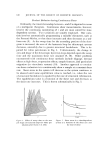
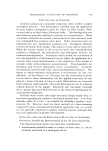
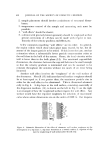
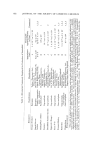
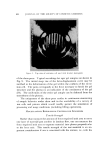
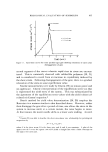
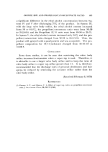
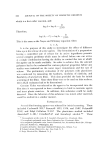
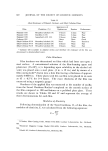
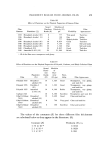
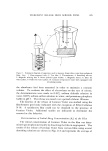
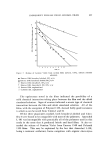
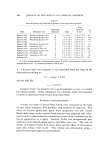
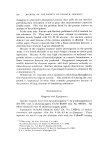
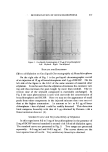
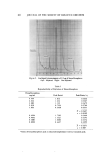
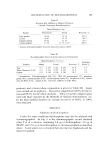
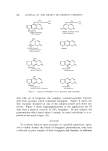
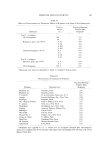
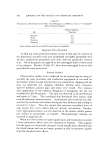
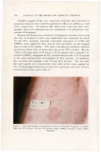
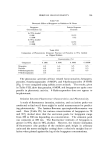
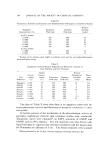
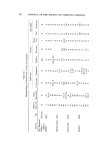
688 .JOURNAL OF THE SOCIETY OF COSMETIC CHEMISTS Figure 2. Gas-liquid chromatogram of 1.2/•g of hexachlorophenc Left: Silylatcd. Right: Not silylatcd Table I Reproducibility of $ilylation of Hexachlorophene Hexachlorophene, mg/ml Peak Ratio a Peak Ratio/mg 4.994 1.816 0.3636 4.042 1.434 0.3547 3.080 1.132 0.3679 2.018 0.7596 0.3764 1.036 0.3638 0.3511 0.4994 1.7305 0.4042 1.3521 0.3080 1.0400 0.2018 0.6657 0.3627 0.0102 0.3464 0.3345 0.3376 0.3299 0.3371 0.007 Ratio of hexachlorophene peak to dicyclohexylphthalate internal standard peak.

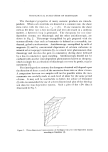
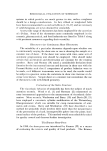
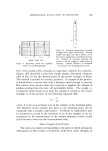
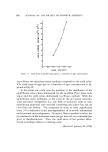
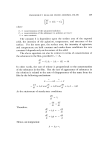
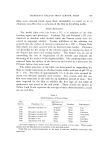
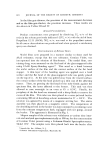
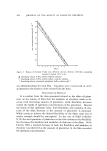
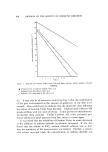
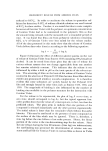
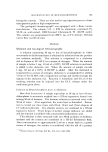
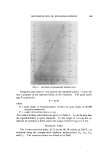
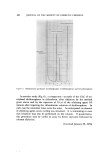
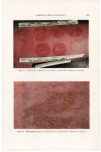
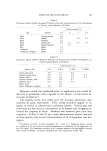
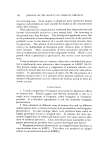
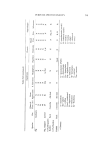
DETERMINATION OF HEXACHLOROPHENE 689 :• .•.•. •' "..•' i'•l•?• :• ., • ' :•" •:_• .... ....... ....... -? ..... • :: .•. :: • ,•. • Figure 3. Gas-liquid chromatographic standard cu•e Using the same data as were used in the standard curves, we may ob- tain a measure ot• the reproducibility ot• the silylation. The peak ratio/ rag, P, is given by where R = peak height of hexachlorophene divided by peak height of DCHP internal standard and W = weight of hexachlorophene in mg The results of these calculations are given in Table I. It can be seen that the reproducibility is quite adequate. In the range of. 1-5 mg the co- efficient of variation is 2.8% and in the range of 0.2-0.5 mg it is 2.1%. Retention Index The Kovats retention index (6, 7) o.n the SE 30 column at 250øC was obtained using the straight-chain aliphatic hydrocarbons Cv2, C.,4, C.,8, and Ca•. The retention index was found to be 2804.
Purchased for the exclusive use of nofirst nolast (unknown)
From: SCC Media Library & Resource Center (library.scconline.org)