J. Soc. Con, met. Chem., 21,695-715 (Sept. 17, 1970) Perfume Phototoxicity* FRANCIS N. MARZULLI, Ph.D.,* and HOWARD I. MAIBACH, M.D.* Presented be[ore the New Yorh Chapter, April 1, 1970, Clifton, N.J. $ynopsis--A study of BERGAMOT PHOTOTOXICITY in man and animals is presented. A review of pertinent literature is included and techniques are described which lead to conclusions regarding the phototoxic component of bergamot, the concentrations re- quired for phototoxic effects, and other important experimental conditions involving the light source, the skin site, and characteristics of phototoxic chemicals. Resnits of a survey of phototoxic potential of currently marketed commercial PERFUMES are discussed. Details of the methods of chemical preparation and the histopathologic findings arc given in separate appendixes. INTRODUCTION During the past decade, the Food and Drug Administration has received consumer complaints of skin damage by commercial perfumes the peak number was received in 1965. The most frequently involved perfumes were found to contain bergamot oil. The decline in complaints in recent years is thought to coincide with the use of tiurocoumarin-free bergamot, the use of artificial bergamot, or a reduction in the concentra- tion of natural bergamot oil in perfumes. * Animal studies conducted at FDA laboratorics. ttuman work performed at the Cali- fornia Medical Facilities of Vacaville, Calif., under Contract CPF-69-28: Stndy of Skin Sensitization and Penetration by Known Chemicals Regents of the University of California, San Francisco Medical Center, San Francisco, Calif. *Derreal Toxicity Branch, Division of Toxicology, Food and Drug Administration, Washington, D.C. 20204. $ University of California, San Francisco Medical Center, San Francisco, Calif. 91422. 695

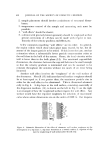
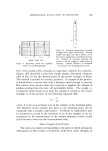
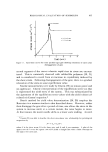
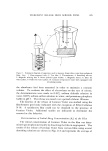
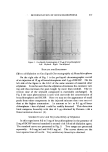
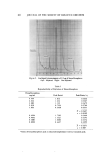
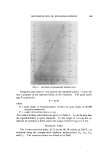
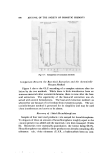
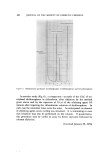
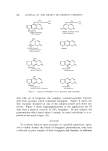
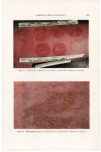
696 JOURNAL OF THE SOCIETY OF COSMETIC CHEMISTS Despite a substantial literature, certain unclear aspects of the nature of perfume-induced dermatitis prompted this work. As bergamot ap- peared to be the principal offender, it was decided to start with an in- vestigation of oil of bergamot and to identify those chemical components responsible for phototoxicity. This is a non-immunologic, light-induced skin response to a photoactive chemical likened to an exaggerated sun- burn. The fact that complainants sometimes used a perfume for a con- siderable time before suffering adverse skin effects suggested the possi- bility that allergenic or photoallergenic effects might also be involved (1, 2). This aspect, however, was not investigated here. Bergamot was first suspected of being capable of producing photo- toxicity by Freund, who reported in 1916 that four of his patients de- veloped erythema and pigmentation from eau de cologne containing bergamot (3). The term berlock dermatitis, spelled berloque-dermatitis in France and Berlockdermatitis in Germany (French breloque, German Betlocke ineaning pendant), has been given to the skin syndrome produced when bergamot oil, which is derived from the rind of Ciirus bergamia, an orange-like Mediterranean fruit, is applied to the skin and followed by exposure to sunlight. The name Berlockdermatitis or dermatitis in Betlock-Form (4) was coined by Rosenthal in 1924 (published 1925). Kuske (5) in 1938 appears to be the first to report that the furocoumarin components of plants are capable of producing photodermatitis. He isolated the furocoumarin bergapten from oil of bergamot and found it photoactive. In Germany, bergapten or 5-methoxypsoralen was known to be a component of oil of bergamot at least since 1839, when it was extracted from oil of bergamot by Ohme (6). In this work, often over- looked by investigators today, Ohme described the solubility character- istics and molecular weight of bergapten and correctly estimated the bergapten content of crude bergamot (0.37%). We now know that many plants contain photosensitizing furocoumarins (7). METHODS A llanovia "Inspectolite "* provided the radiation source in both buman and animal studies. The emission spectrum of one of these -- * H•novia lnspectolite with No. 16125, Type EH-4 bulb and red purple filter [Corning 7-39 (5874)]. Tfiis filter transmits 0% at 300 rim, 55% at 360 nm, and 0% at 410 nm as a more or less bell-shaped curve. It also has a frosted glass cut-off at 290 nm. Hanovia Izm H) Co., 100 Chestnut Street, Newark, N.J.
Purchased for the exclusive use of nofirst nolast (unknown)
From: SCC Media Library & Resource Center (library.scconline.org)