372 JOURNAL OF THE SOCIETY OF COSMETIC CHEMISTS If then the rabbit is considered an unsuitable test animal, what is the species of choice? In the rather few major publications on this subject there are considerable differences of opinion. A wide range of species are em- ployed in the different areas of dermatological research (1, 2), with each researcher tending to select a particular species for his own special studies (3-5). There is considerable support for use of the rabbit, possibly arising from the work by Draize (6) which established a standardized technique for pre- dictive patch testing. The predictive value of this test is supported by some authors (7, 8) but questioned by others (10, 11). It is apparent from the above publications that useful screening tests have been devised whereby a particular animal will effectively indicate, with particular types of preparations, those formulations that may elicit an undesirable irritant effect in man. However, it has yet to be demonstrated that any of those procedures is any more acceptable than the Draize rabbit test when subjected to the wide range of irritants that may be experienced in routine predictive patch testing. It is also apparent that there is, in general, a paucity of published studies in which two or more species have been compared (9). Comparisons, there- fore, must be made between the studies reported by different workers, and this is fraught with many disadvantages, not least of which is the enormous variability in the test procedures employed. It is not possible, therefore, to draw any meaningful conclusions concerning the most appropriate animal model to be used for predictive patch-testing. It was with this main objective in view that we decided to embark upon the following programme of re- search. EXPERIMENTAL The species selected for this study were the mouse (CF LP strain), the guinea-pig (Hartley Dunkin strain), the rabbit (New Zealand White strain), the Beagle dog, the piglet (Wessex, Large White, Landacre crossbreed), the miniature pig (Pitman Moore strain), the baboon (Papio cynocephalus and P. anubis), and man. The choice of potential irritants was made (after consultation with the Chairman of the Toxicology Sub-Committee of this Society) from representative chemicals used in cosmetics and toiletry formulations. The materials were as follows: (1) Lanolin (anhydrous lanolin, BDH), neat material--expected to be non-irritant, on the basis of previous human exposure.

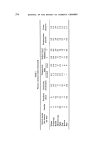
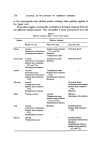
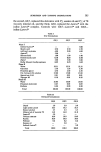
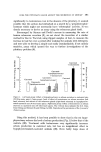
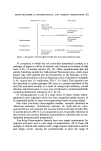
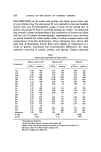
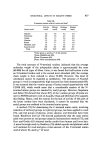
INTER-SPECIES VARIATION IN DERMAL REACTIVITY 373 (2) Propylene glycol (M & B Ltd), neat material--expected to be practically non-irritant. (3) Aluminium chlorhydrate--uncertain reactivity. (4) Thioglycolate paste (mixture of calcium thioglycolate 15•o, calcium carbonate 60•o, calcium hydroxide 5}/o--in water) pH value of l 1-- expected to be a reactive material. (5) Sodium lauryl sulphate (at 1 •o and 5•o concentrations)--a reference material with known irritant effects on the skin. (6) Paraphenylene diamine (50•o aqueous slurry)--expected to be a reactive material. (7) Medicated cream shampoo (neat material)--subject of previous studies in rabbit and man referred to above. Selection of the test procedure was a relatively simple process. As far as we are aware there is, at the present time, only one test method that has any legal status and that is the method of testing primary irritant sub- stances described in the Federal Register (12). In brief, this consists of applying the test material to the skin of groups of six albino rabbits for 24 h under occlusive conditions as prescribed reaction in the skin is then assessed at 24 h and 72 h. In the absence of alternative procedures, and also as a test of the method itself, we decided to adopt this test, modified as appropriate, as the standardized method of assessment. RESULTS Primary irritation indices (PII) (12) were calculated for each material when applied to groups of six animals of each species (Table I). The values given for man, dog and baboon are only estimated values in that abraded sites were not included. Lanolin elicited minimal reaction in the piglet, but gave no observable response in the other species. Propylene glycol elicited minimal reaction in the rabbit, piglet and man only. .dluminium chlorhydrate produced a characteristic response with hyper- keratinization resembling a chemical burn in most species (rabbit, mouse guinea-pig, dog and man), but gave no reaction in the pig or baboon. Thioglycolate paste proved considerably more irritant to the abraded, as compared with the intact, skin sites. Unfortunately, abraded sites were not examined in man or baboons and this prevents exact comparisons be- tween the species. Nevertheless, it is apparent that the rabbit, dog and guinea-pig were more sensitive than the other species.
Purchased for the exclusive use of nofirst nolast (unknown)
From: SCC Media Library & Resource Center (library.scconline.org)