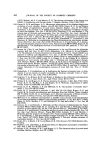
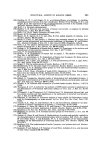
DOES THE PITUITARY GLAND AFFECT THE SECRETION OF SEBUM. p 401 REFERENCES (1) Hamilton, J. B. Male hormone substance: A prime factor in acne. J. Clin. Endocrinol. Metabol. 1 570 (1941). (2) Ebling, F. J. Hormonal control of the sebaceous gland in experimental animals. In Advances in biology of skin 4, Sebaceous glands. Ed. by Montagna, W., Ellis, R. A. and Silver, A. F. 200. (1963) (Pergamon Press, Oxford). (3) Strauss, J. S. and Pochi, P. E. The hormonal control of human sebaceous glands. In Advances in biology of skin 4. Sebaceous glands. Ed. by Montagna, W., Ellis, R. A. and Silver, A. F. 200. (1963) (Pergamon Press, Oxford). (4) Strauss, J. S. and Ebling, F. J. Control and function of skin glands in mammals. Hor- mones and the environment. Mere. Soc. Endocrinol. 18 341. Cambridge University Press (1970). (5) Ebling, F. J. Steroid hormones and sebaceous secretion. Advances in Steroids. Vol. 2. Ed. Briggs, M. H. (1970) (Academic Press, London). (6) Ebling, F. J. and Skinner, J. The measurement of sebum production in rats treated with testosterone and oestradiol. Brit. J. Dermatol. 79 386 (1967). (7) Ebling, F. J. The action of testosterone on the sebaceous glands and epidermis in castrated and hypophysectomized male rats. J. Endocrinol. 1õ 297 (1957). (8) Ebling, F. J. The action of testosterone and oestradiol on the sebaceous glands and epidermis of the rat. J. Embryol. E,ptl. Morphol. õ 74 (1957). (9) Ebling, F. J. The action of an antiandrogenic steroid, 179-methyl-B-nortestosterone, on sebum secretion in rats treated with testosterone. J. Endocrinol. 88 181 (1967). (10) Ebling, F. J. Factors influencing the response of the sebaceous glands of the rat to androgen. Brit. J. Dermatol. Suppl. 6, 10 (1970). (11) Haskin, D., Lasher, N. and Rothman, S. Some effects of ACTH, cortisone, progesterone and testosterone on sebaceous glands in the white rat. J. Invest. Dermatol. •.0 207 (1953). (12) Lorincz, A. L. The effects of progesterone and a pituitary preparation with sebotropic activity on sebaceous glands. In Advances in biology of skin 4. Sebaceous glands. Ed. by Montagna, W., Ellis, R. A. and Silver, A. F. 188. (1963) (Pergamon Press, Oxford). (13) Ebling, F. J. Failure of progesterone to enlarge sebaceous glands in the female rat. Brit. J. Dermatol. 711 65 (1961). (14) Ebling, F. J., Ebling, E. and Skinner, J. The influence of the pituitary on the response of the sebaceous and preputial glands of the rat to progesterone. J. Endocrinol. 4õ 257 (1969). (15) Lasher, N., Lorincz, A. L. and Rothman, S. Hormonal effects on sebaceous glands in the white rat. II. The effect of the pituitary-adrenal axis. J. Invest. Dermatol. 22 25 (1954). (16) Lasher, N., Lorincz, A. L. and Rothman, S. Hormonal effects on sebaceous glands in the white rat. III. Evidence for the presence of a pituitary sebaceous gland tropic factor. J. Invest. Dermatol. 24 499 (1955). (17) Lorincz, A. L. and Lancaster, G. Anterior pituitary preparation with tropic activity for sebaceous, preputial, and Harderian glands. Science 126 241 (1957). (18) Woodbury, L. P., Lorincz, A. L. and Ortega, P. Studies on pituitary sebotropic activity. I. A new sensitive assay method for sebotropic activity based on beta-glucuronidase content of preputial glands. J. Invest. DermatoL 45 362 (1965). (19) Woodbury, L. P., Lorincz, A. L. and Ortega, P. Studies on pituitary sebotropic activity. II. Further purification of a pituitary preparation with sebotropic activity. J. Invest. Dermatol. 45 364 (1965). (20) Ebling, F. J., Ebling, E. and Skinner, J. The influence of pituitary hormones on the response of the sebaceous glands of the rat to testosterone. J. Endocrinol. 45 245 (1969). (21) Ebling, F. J., Ebling, E. and Skinner, J. The effects of thyrotrophic hormone and of thyroxine on the response of the sebaceous glands of the rat to testosterone. J. Endo- crinol. 48 83 (1970). (22) Nikkari, T. and Valavaara, M. The production of sebum in young rats: effects of age, sex, hypophysectomy and treatment with somatotrophic hormone and sex hormones. J. Endocrinol. 411 113 (1969). (23) Nikkari, T. and Valavaara, M. Effects of androgen and prolactin on the production rate and composition of sebum in hypophysectomized female rats. J. Endocrinol. 48 373 (1970). (24) Thody, A. J. and Shuster, S. The effects of hypophysectomy and testosterone on the activity of sebaceous glands of castrated rats. J. Endocrinol. 47 219 (1970). (25) Archibald, A. and Shuster, S. Bioassay of androgen using the rat sebaceous gland. J. Endocrinol. 117 xxii (1967).

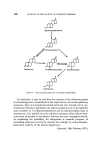
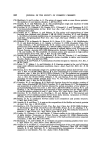
402 JOURNAL OF THE SOCIETY OF COSMETIC CHEMISTS (26) Archibald, A. and Shuster, S. The measurement of sebum secretion in the rat. Brit. J. Dermatol. 89. 146 (1970). (27) Shuster, S. The bioassay of androgen, anti-androgen and other hormones on the seba- ceous gland. Brit. J. Dermatol. Suppl. 6, 15 (1970). (28) Ebling, F. J., Ebling, E., Skinner, J. and White, A. The response of the sebaceous glands of hypophysectomized castrated male rats to adrenocorticotrophic hormone and to testosterone. J. Endocrinol. 48 73 (1970). DISCUSSION DR. J. L. BURTon: As you know, I am associated with Dr. Faby and Professor Schuster and they asked me to thank you for drawing attention to the fact that in Newcastle our beer is not only stronger but our testosterone appears to be more potent. The points that I should like to raise are, as you have already hinted, tied up with the interpretation of the data following administration of testosterone to hypo- physectomized animals. I think they would perhaps disagree with your statement that all the data are consistent with the view that some increase in sebaceous secretion is produced by testosterone but the response is considerably less in animals with intact pituitaries. It all depends what is meant by 'the response'. Their data would show that the levels will not go back to the original intact animal level, but the increment following testosterone in their figures appear to be just as great in the hypophy- sectomized animals as it is in the intact animals. I wonder whether you have con- sidered the possibility that perhaps your testosterone might, in fact, be inadequate. It seems rather odd to me that the androstenedione has a normal effect, when converted to testosterone which has no effect and this compound is then converted to 5 a- dihydrotestosterone which again is effective. THE LECTURER: I am quite sure that we get much larger increments in the cas- trated animals than in the hypophysectomized-castrated ones. I can add that we have just completed the analysis of our first experiment using a large dose of testosterone propionate in oil, 9. mg day-• for 24 days, and we have failed to get a significant increase in sebum production. I continue to maintain that in our rats we get a very much bigger response in animals with intact pituitaries than in hypophysectomized ones. As for your suggestion that our testosterone is inadequate all I can say is that judged by the effects on the preputial gland, and on the seminal vesicles, our testo- sterone in Sheffield is as good as yours in Newcastle. So we have other measures of the action of the testosterone, and there was no failure! With regard to your comment about the steroid conversions, one possibility is that androstenedione having -oxo groups at both the $ and 17 positions does not form glucuronide or sulphate. It could be that testosterone very quickly forms conjugates and that the pituitary hormone acts to free it prior to its conversion to active steroid. If it is really true that there is an enormous difference between our results, the only explanation must be that our animals react differently from yours. Maybe you ought to work with our animals and we ought to work with yours! You have some support from Nikkari (29) whereas our results seem to fit those of Lorincz and Rothman ($0), even though we are not very happy about their separate sebotropic hormone. DR. C. PROT•E¾: Since testosterone is shown to stimulate both size of the sebaceous gland and the secretion of sebum, would you comment upon the possibility of stimu-
Purchased for the exclusive use of nofirst nolast (unknown)
From: SCC Media Library & Resource Center (library.scconline.org)