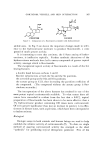
584 JOURNAL OF THE SOCIETY OF COSMETIC CHEMISTS broken s•ratum corneum. The importance of appendages or other dif- fusion shunts for a specific steroid depends upon the magnitude of the membrane diffusion constant. These are so low [or the polar steroids as to increase the likelihood of steady-state penetration through sweat ducts, follicles, or other shunt pathways (17). Physiology Age, Disease, In]itry, Er•v.'ronment--The physiological condition of the skin is of major importance in determining drug penetration. Fac- tors such as age, disease, injury, and environment which affect the in- tegrity or hydration state of the stratum comeurn will have a significant effect on percutaneous absorption. Excessive keratinization (corns, calluses), reduced keratin sloughing (ichthyosis), and increased stratum granulesum activity (lichen planus) can all be expected to result in a denser stratum comeurn and reduced percutaneous absorption. In these cases, occlusive vehicles which en- han.ce hydration or "penetration enhancers" might prove of value. In- fection, abrasion, penetrating wounds, and decreased stratum granulesum activity, such as seen in psoriasis, damage the integrity of the stratum comeurn and result in greatly increased percutaneous absorption. If the barrier is absent, the skin acts as a perfect "sink" or receptor and the release from the vehicle is ,the rate-limiting step. Similarly, the partial ravages of age and environment which lead to dehydration can inhibit drug absorption. Either insult, carried to ex- treme, can result in sufficient damage to destroy the skin barrier. FORMULATION DEVELOPMENT--A CASE HISTORY Solubility Considerations An actual case history of the development of a highly efficacious topi- cal corticoid product will now be considered. Earlier in this paper were described the various biological screens such as the thymelyric, antigranu- loma, fibreblast, rat ear, and vaseconstrictor assays which were used to help select the highly potent corticoid, fluocinonide. By means of the in vitro release, skin diffusion studies and the vaseconstrictor assay, it was possible to determine the effect of the physical-chemical properties of fluocinonide on release and penetration. The next ste,• was to design vehicles which would provide maximum therapeutic efficacy. Several different formulations were investigated. From previous studies, we arrived at a general goal for topical corticoid

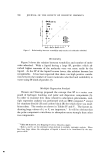
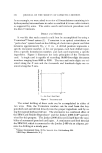
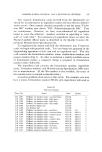
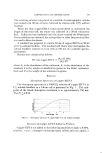
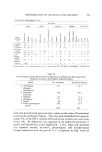
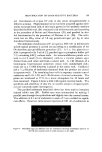
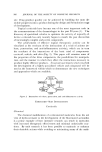
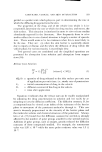
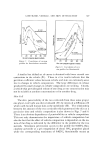
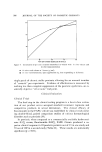
C¸RTIC¸ID, VEHICLE, AND SKIN INTERACTI¸N 58,5 vehicle formulation of maximizing the release rate without unfavorably altering other relevant vehicle properties. Since the solubility of a drug in its vehicle is an important factor determining availability, this param- eter was particularly considered in the design of topical vehicles (35). For this paper, we have selected four vehicles which show a broad range of corticoid solubilization. One product (A) was a conventional oil-in-water vanishing cream in which most of the steroid was present as undissolved, small particles of solid drug. The other three cream formulations were variations of a novel topical vehicle which appears to be particularly well suited as a delivery system for poorly soluble compounds such as topical corticosteroids. The vehicles may be des.cribed as two-phase systems in which a continuous, solubilizing phase of glycols and polyols is distrib- uted in a solid matrix of fatty alcohols (36). These vehicles, which we call FAPG©, * are described as cream/gels, since they combine the physical properties of gels with the cream-like appearance and consistency of emul- sion systems. Selec,tive changes in components can provide a wide solu- bilization range. Three vehi.cles were selected which solubilized 48, 68, and 100•o of the drug, respectively. Release and Penetration In vitro release profiles as well as in vivo vasoconstriction tests were carried out. The results are presented in Fig. 9. Correlation was ob- tained between release, per cent drug solubilized, and vasoconstrictor response for the creams. The results demonstrated (a) the significance of vehicle composition, (b) importance of drug solubility in the vehicle, and (c) the usefulness of in vitro release studies in predicting vehicle effi- cacy. Clinical Pharmacology After passing through all of the previous in vitro. and in vivo trials, the carefully designed formulation must now be tested under clinical conditions. Here, too, careful design is needed to provide highly objec- tive and statistically significant results. A semiquantitative, objective, clinical assay of efficacy has been devel- oped to identify formulations which can produce significant results in clinical therapy. This is the Scholtz-Dumas psoriatic assay (37) which utilizes many of the features of our modified vasoconstrictor assay (10, 23). By means of this technique, several formulations can be screened on a * Sy•tex Laboratories, Inc., Palo Alto, Calif.
Purchased for the exclusive use of nofirst nolast (unknown)
From: SCC Media Library & Resource Center (library.scconline.org)