J. Soc. Cosmet. Chem., 23, 5•-543 (August 17, 1972) Cosmetic Formulation-Clinical Data Retrieval Systems SAL D. PELUSO, B.S.,* and LEE N. STARKER, Ph.D.* Synopsis--INGREDIENT and CLINICAL DATA RETRIEVAL SYSTEMS have been de- veloped by the generation of PUNCHED CARDS. A subsequent conversion to Termatrex cards was initiated for the ingredient data, while a computer-generated printout was under- taken to handle the clinical data. The cosmetic ingredient punched cards are used directly in the J-400 Termatrex drill to produce a searchable set of Termatrex cards, and the clinical data punched cards are processed by COMPUTER, producing a printout usable directly as a desk-top tool. INTRODUCTION A system has been designed to relate a specific ingredient or in- gredients to their corresponding cosmetic formulations. Also, the capa- bility to compare these formulations with various clinical studies has been developed to enable the cosmetic chemist to make easy correlations with specific product classifications such as shampoos, skin lotions, lipsticks, etc. With such a system in operation, the cosmetic chemist is able to ask and receive a quick answer as to whether a given ingredient or combina- tion of various ingredients has been previously formulated. If so, in which formulations did it appear, and did any of these preparations show skin irritation or skin sensitivity in the clinic? It has been claimed that it is sometimes less costly to rerun a clinical trial than attempt to retrieve data concerning a specific formulation. This is no longer so for our information collection. In addition, should questions arise concern- ing a specific ingredient contained in marketed products, the formula- tions can quickly be found and their corresponding test data reviewed. • Warner-Lambert Research Institute, 170 Tabor Road, Morris Plains, N.J. 07950. ? Deceased. 533

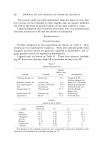
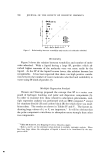
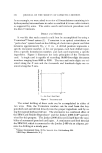
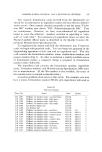
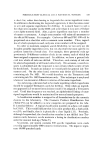
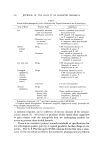
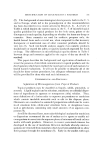
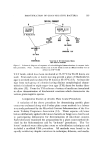
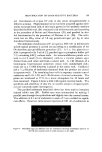
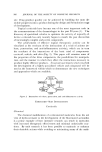
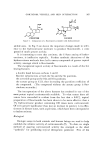
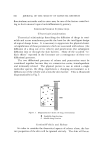
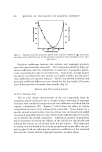
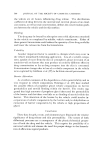
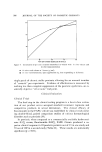
534 JOURNAL OF THE SOCIETY OF COSMETIC CHEMISTS As an example, we were asked to review all formulations containing tris- hydroxymethyl nitromethane in order to establish if it was a skin irritant, as suggested by some. The entire sear•ch and retrieval procedure took less than 15 minutes. DESIGN AND METHOD It was felt that such a search could best be accomplished by using' a Termatrex©*-based system (1). Termatrex is an optical coincidence or "peek-a-boo" system based on the drilling' of a hole into a plastic card that measures approximately 9« X 11 in. A drilled position represents a specific document number, or for our purposes, each hole drilled repre- sents a specific formulation number, and each card represents a specific ingredient. Figure 1 illustrates the basic principles of the Termatrex card. A single card is capable of recording 10,000 four-digit document numbers ranging from 0000 to 9999. The tens and units digits are ori- ented along the X axis and the thousands and hundreds digits are or- iented along the Y axis. .................... ._o77(37 * Remac International Corp., 26 No. Summit Ave., Gaithersburg, Md. * IBM Corp., Moumainside, N.J. The actual drilling of these cards can be accomplished in either of two ways. First, the Termatrex number can be read from the key- punched card and drilled directly into the proper ingredient card by us- ing the manual keyboard device. The alternative is a combined effort of the IBM Card Reader-Reproducer* and the J,onker J-400 drill* specially wired for this purpose. The Jonker J-400 does not in itself have the capa- bility of automated punched card input. A continuous card feed through the IBM 514, which is connected to the Jonker J-400 via an adapter, per- mits the drilling at a steady pace. i 67 X -- Axis (Tens • [/nits Digits) Figure 1. Termatrex card
Purchased for the exclusive use of nofirst nolast (unknown)
From: SCC Media Library & Resource Center (library.scconline.org)