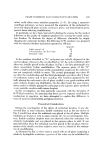
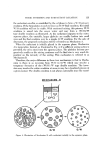
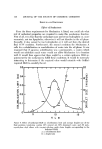
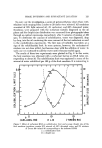
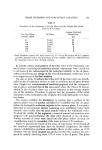
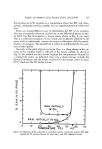
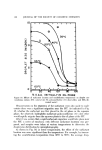
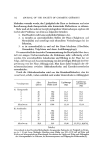
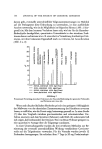
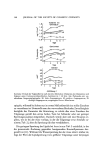
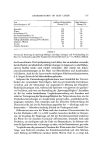
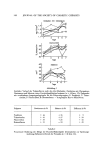
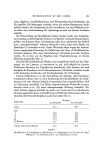
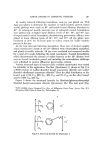
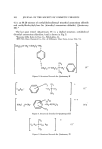
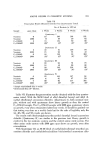
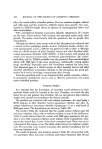
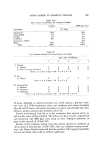
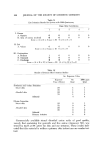
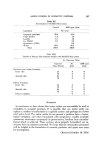
PHASE INVERSION AND SURFACTANT LOCATION 129 To carry out the investigation, a series of polyoxyethylene oleyl ethers with ethylene oxide ranging from 2 moles to 20 moles were selected. All emulsions consisted of 30% light mineral oil, 4% surfactant, and 66% deionized water. Emulsions were prepared with the surfactant initially dispersed in the oil phase and the droplet size distribution was measured from photographs taken through an optical microscope immediately after 5 minutes of mixing at 150 rpm. To determine the amount of solubilization, water was dispersed, drop by drop, into the oil containing the same amount of the test surfactant as used in the emulsification experiments. The first sign of turbidity was taken as a sign of the solubilization limit. In some systems, however, the surfactant-oil mixture was not clear at first, but became clear with the addition of water. In such case we continued to add the water until it became turbid again. The results of these two experiments were plotted in Fig. 6. In this series, the best emulsion was obtained with a surfactant having an HLB value cor- responding to about 10. The so]ubilization limit was expressed in terms of the amount of water solubilized per 100 g of the final emulsion. It is interesting to 2.0' -IO • 5 IO 15 (ARLACEL. 80) H L B (TWEEN 80) Figure 7. Effect of suffactant HLB on solubilization limit and average droplet size of the final emulsion (emulsions contain 30% mineral oil, 65% deionized water, and 5% mixtures of Tween 80-Arlacel 80 corresponding to the indicated HLB) zX = solubilization limit O = droplet size

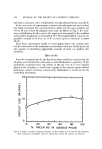
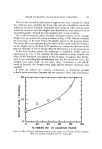
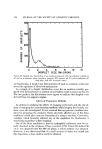
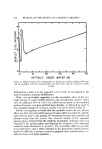
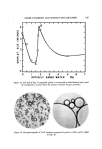
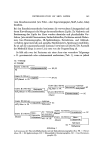
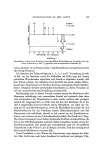
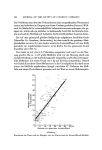
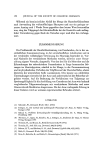
130 JOURNAL OF THE SOCIETY OF COSMETIC CHEMISTS note that a maximum •vater solubilization was also obtained at the same HLB. In the next series of experiments, a mixture of surfactants was used instead of a single surfactant. The experimental procedure was the same as before but Tween 80 and Arlacel 80 mixtures were used. As shown in Fig. 7, the maxi- mum solubilization for this system also appears to correspond to the emulsion with smallest droplet size at about HLB 10.5. The required HLB value for the parafllnic mineral oil to form an O/W emulsion given in literature is about •0 (•). From these experimental results, it would appear that in the systems stud- ied, the surfactants or the surfactant combinations which are soluble in oil and also capable of solubilizing appreciable amounts of water can produce fine emulsions. E•ect of Oils From the standpoint of oils, the first of the three conditions requires that the oil phase must dissolve the surfactant to make Mechanism A operafive. If the hydrophilic surfactant were not soluble in the oil, even if it were initially placed in the oil phase, it would soon migrate to the aqueous phase without producing a phase inversion consequently, Mechanism A would not be the controlling mechanism. 20 i 20 40 60 80 I00 % TWEEN 80 IN AQUEOUS PHASE Figure 8. Effect of initial surfactant location on the droplet size of mineral oil emulsions (30% mineral oil emulsified with 8% Ariaeel 80-Tween 80 mixture at HLB 11)
Purchased for the exclusive use of nofirst nolast (unknown)
From: SCC Media Library & Resource Center (library.scconline.org)