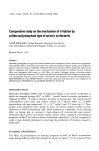
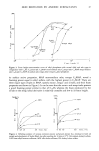
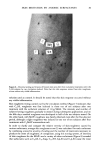
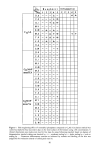
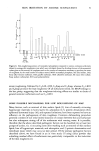
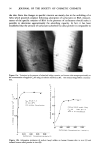
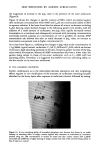
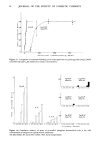
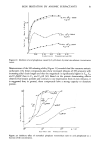
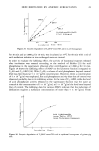
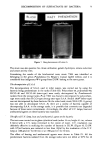
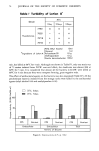
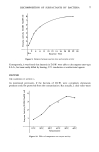
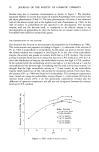
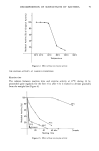
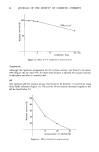
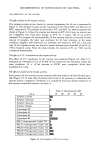
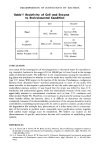
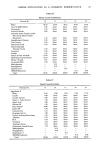
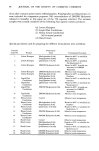
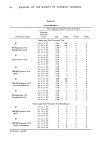
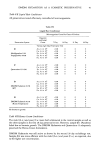
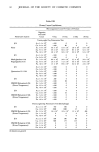
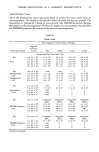
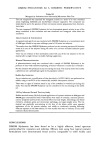
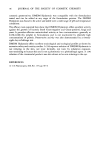
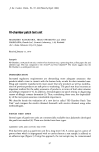
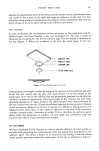
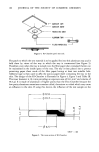
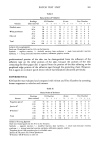
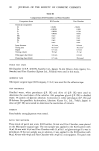
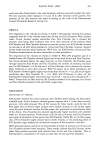
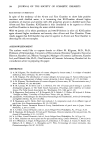
SKIN IRRITATION BY ANIONIC SURFACTANTS 59 effect at 10 g/100ml. This finding indicates that this compound is at least 10 times less irritating than Q2AS. Comparison of cumulative irritancy by a homologous series of MAP monosodium salts (Figure 18) indicates that although Q0-compound invoked a slightly weak erythematous reaction after nine applications, all other MAP's exhibited no irritating effect. In contrast, most anionic surfactants showed relatively marked cumulative irritation under similar test conditions. When a cumulative irritation test was carried out at 4.0 g/100ml, a distinct skin response by MAP was observed, the magnitude, however, being similar to non-ionic surfactants such as C12-14EO (Figure 19). SOME POSSIBLE FACTORS INFLUENCING IRRITATION There are three different mechanisms (Figure 20) by which surfactants produce cutaneous irritation, depending upon the kinds of surfactant and how they come in contact with the skin. In the case of most ionic surfactants excepting soap, at a concentration less that cmc, inability to degenerate the keratin protein and ability to bind with keratin may result in abolishment of their penetration through horny layers (17,18). This view suggests that adequate surfactant concentrations to induce keratin protein denaturation, leading to the breakdown of the barrier function of the horny layers, are required for the elicitation of irritation. PROTEIN DENATURATION Since the degree of denaturation depends on unfolding of the secondary or tertiary structure, which is accompanied by the increased liberation of sulfhydryl groups, the amounts of the liberated sulfhydryl group (SH) from keratin powder following incubation with surfactant solution was measured by the mercury orange method (19). 5.0 ! •- 2.0 12345678 12345678 4.0 g/lOOml 12345678 12345678 E S A G S C1214EO CI2MAPmonoTEA Figure 19. Cumulative irritancy of Cx2MAP monoTEA salt at the 4.0% concentration as compared to ES, AGS and Cx2-14EO. ES: lauryl ether sulfate, AGS: lauryl acylglutamate, EO: alkyl polyoxyethlene.

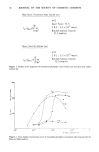
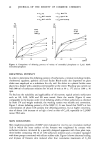
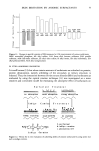
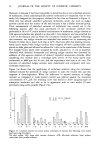
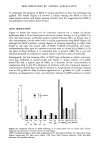
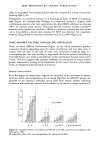
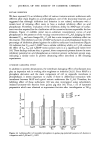
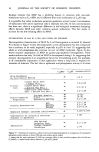
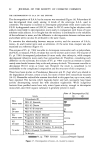
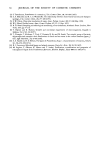
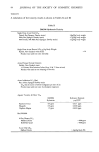
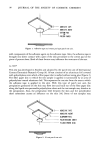
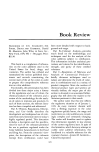
60 JOURNAL OF THE SOCIETY OF COSMETIC CHEMISTS IONIC NON-IONIC CUMULATIVE - Surfactant--•% ß • Epidermis Dermis k Impairment in the o•••k ar r ier functi Capillary I ,,1.* / OoOoOoOoOoOoOo Ac cumu 1 at ion •'• I] • [ Horny Layer ß ß ROughened Horny Layer Inflammation Figure 20. Possible mechanisms of non-allergic irritation caused by various surfactants, depending upon how they come in contact with the skin. Ionic surfactants cause impairment in the barrier function of horny layers by the capacity to denature protein, leading to the initiation of irritation. In the case of less contact concentration of surfactants with the skin accumulation of surfactant molecules remaining adsorbed on the surface of the skin is required for the breakdown of the barrier function of the horny layers which first results in skin roughness considered prerequisite for the further occurrence of primary irritation. On the other hand, since non-ionic surfactants have no ability to denature keratin protein, the irritation depends on its permeability based on the Fick's rule through horny layers. 1.5 1 0.5 2 1.0 g/lOOml 3 1.5 123 123 1 23 123 C8 C10 C12 C14 •--A S ' 123 ES 123 123 123 123 C10 CI2 C14 C 16 •-M A P• Figure 21. Liberation of sulfhydryl group from bovin skin powder (BSP) following incubation for 1.5 hr with monoalkyl phosphate and C•:AS.
Purchased for the exclusive use of nofirst nolast (unknown)
From: SCC Media Library & Resource Center (library.scconline.org)