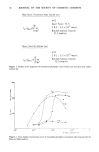
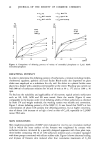
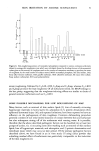
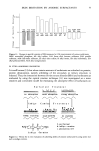
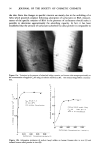
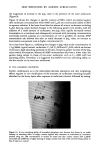
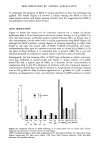
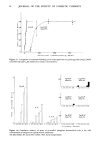
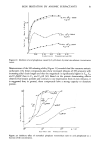
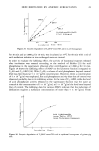
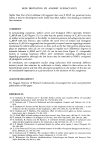
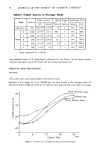
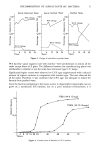
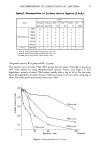
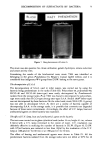
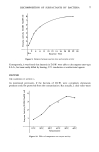
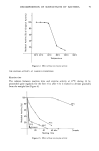
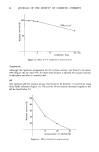
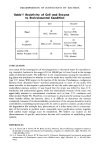
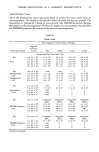
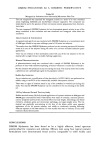
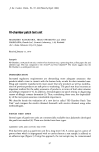
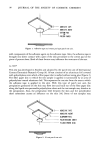
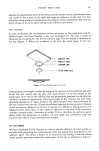
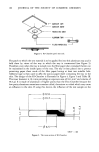
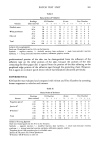
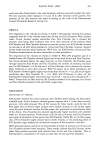
DECOMPOSITION OF SURFACTANTS BY BACTERIA 77 Hrs. Reaction Time 1'8 2'O 2'2 2'4 Figure 9. Relation between reaction time and enzyme activity Consequently, it was found that bacteria in D.I.W. were able to decompose ester-type S.A.A., but were easily killed by heating, U.V. irradiation or antibacterial agents. ENZYME THE HAZINESS OF LOTION A As mentioned previously, if the bacteria of D.I.W. were completely eliminated, products could be protected from the contamination. But actually, a clear toilet water Z i i i i 1C•øC 2C•øC 30øC 40øC 50øC 60øC Temperature Figure 10. Effect of temperature on enzyme activity

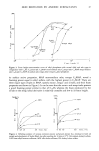
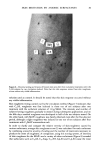
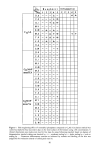
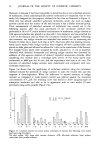
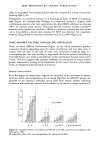
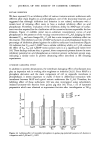
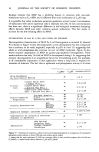
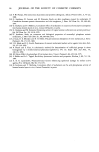
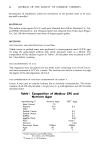
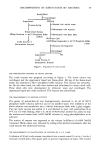
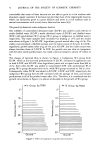
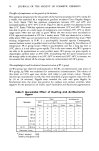
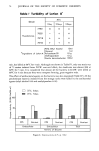
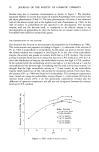
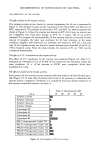
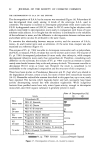
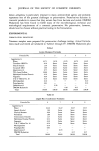
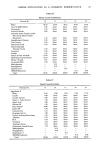
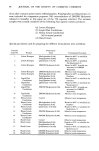
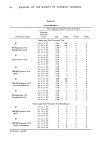
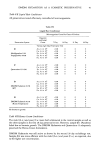
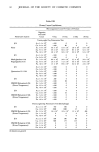
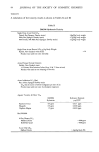
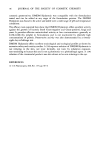
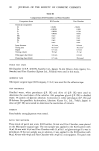
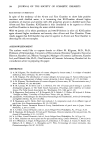
78 JOURNAL OF THE SOCIETY OF COSMETIC CHEMISTS became hazy due to bacterial contamination as shown in Figure 7. We therefore examined whether or not the four strains of isolated Pseudomonas were concerned with the above phenomenon (Table V). The hazy phenomenon of Lotion A was observed with all the strains tested, and at the highest level with Pseudomonas sp. 77801. In the case of Lotion A, polysorbate-20 was assumed to be decomposed. The bacterial enzyme, and not the bacteria itself, is considered to be directly related to the decomposition of polysorbate-20, since the bacteria do not remain viable in Lotion A formulated with sufficient antibacterial agents. THE DISTRIBUTION OF THE ENZYME Our attention was focused on the enzymatic decomposition by Pseudomonas sp. 77801. The crude enzyme was prepared according to Figure 1, to determine if the enzyme of Ps. sp. 77801 is endocellular or extracellular. As this strain can grow in nutrient broth, the culture medium was compared at first (Figure 8). In the case of the endocellular enzyme, the activity was greater in nutrient broth than in C.P.S. medium. The enzyme activity in nutrient broth was to 6.3 times that found in C.P.S. medium at 25øC for 3 d. As to the distribution of enzyme, the endocellular activity was high in C.P.S. medium. In the nutrient broth the endocellular activity was high at 3 d, but reduced at 7 and the extracellular activity became high. Considering that the total activity was constant, it is thought that the high extracellular activity at 7 d was caused by the endocellular enzyme which leaked out of the cells during the incubation period. From these facts, the enzyme of Ps. sp. 77801 was found to be endocellular. The subsequent experiments were carried out using the endocellular enzyme (Figure 1, crude enzyme B) from the nutrient broth culture (25øC, 3 d). The preliminary experiments revealed that the difference of optimum temperature and pH was not recognized between the nutrient broth and C.P.S. medium. z _ _ /zx--•---• B x• A •x C Buffer Solution • .I'0.1M Citric Acid "1,0.2M Na2HPO4 • J' M/15 KH2PO4 "' 1, M/15 Na2HPO4 t::: 1- C {M/10 KH2PO4 M/10 K2HPO4 Figure 11. Effect of pH on enzyme activity
Purchased for the exclusive use of nofirst nolast (unknown)
From: SCC Media Library & Resource Center (library.scconline.org)