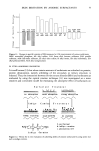
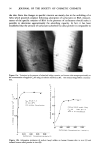
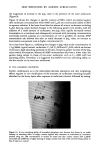
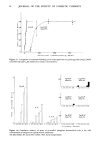
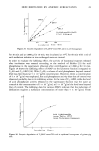
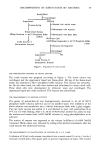
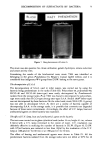
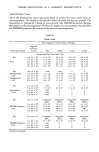
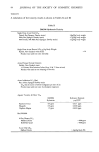
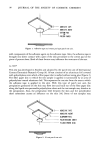
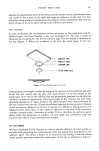
PATCH TEST UNIT 99 dissolve the polyethylene sheet of the Al-test and the additive of the polyethylene sheet may exude to the surface of the sheet and cause an influence on the skin (11). The migration of test material in perspiration, the additive of the polyethylene sheet and the shortcomings of occlusive patch testing could influence test results. FINN CHAMBER In order to eliminate the contamination of the test sample by the perspiration and the adhesive agent, the Finn Chamber, a tray was developed (12). This tray is made of aluminum and is adhered to the skin by adhesive tape. The test sample is contained in the tray (Figure 3). When this is affixed to the skin, the inside space of the tray I ADHESIVE TAPE ADHESIVE AGENT ALUMINUM TRAY FILTER PAPER DISC ! ! Figure 3. Finn Chamber patch test unit. containing the test sample is sealed by bringing the top end of the peripheral side wall of the tray into contact with the skin. The contamination of the test sample in the inside space of the tray by the adhesive tape and perspiration generated on the skin can therefore be reduced significantly. Other advantages of the chamber test have been described elsewhere (12). Again, however, the adhesive tape is very close to the part of the skin covered with the tray. If both the adhesive tape and the test sample contained in the tray have an influence on the skin, it may be very difficult to distinguish the two influences from each other. It may cause an influence to the skin if the aluminum chamber contains nickel, chromium or cobalt. This is, therefore, an occlusive patch device which has limitations. In addition, the filter paper disc sometimes drops out from the tray when it is used for liquid test samples. KI-CHAMBER We have developed the KI-Chamber in order to test the influence of a test sample on the skin while preventing the contamination of the test sample with perspiration or the adhesive agent. The device consists of an aluminum tray having a bottom whose center portion protrudes toward the inside space of the tray as indicated in Figure 4.

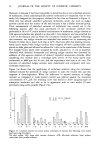
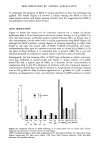
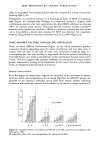
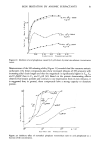
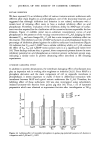
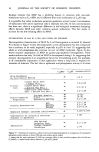
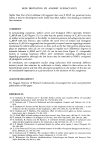
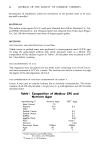
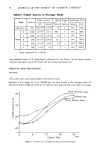
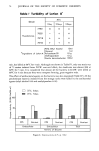
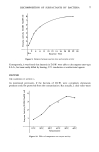
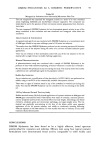
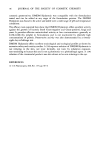
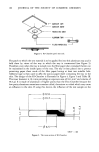
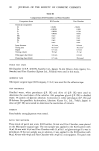
100 JOURNAL OF THE SOCIETY OF COSMETIC CHEMISTS ADHESIVE TAPE ADHESIVE AGENT PROTECTING SHEET ALUMINUM TRAY FILTER PAPER DISC I [ ]•:::•i I Figure 4. KI-Chamber patch test unit. The patch to which the test material is to be applied fits into this aluminum tray and is held there by virtue of the way in which the tray is constructed (see Figure 5). Therefore, even when the tray is turned over, the filter paper disc contained therein can be maintained in the inside space of the tray. The tray is then placed into a porous protecting paper sheet made of the filter paper having at least one suitable hole. Adhesive tape is then used to affix the porous paper sheet containing the tray to the skin. The design of the KI-Chamber is illustrated in Figure 4, Figure 5 and Table III. The inner diameter is 10.3 mm providing an exposure area of 83.3 mm 2 and volume of 58.3/al. It is made of aluminum of higher purity than the Finn Chamber because the low purity aluminum sometimes contains nickel, chromium or cobalt which may cause an influence to the skin. If using this device, the influence of the test sample on the V5 I2,6 •I0,3 Figure 5. The cross section of KI-Chamber. UNIT : mm
Purchased for the exclusive use of nofirst nolast (unknown)
From: SCC Media Library & Resource Center (library.scconline.org)